Showing posts sorted by relevance for query puntand. Sort by date Show all posts

Saturday, January 4, 2014

Baaq: Beesha Sade ee ka soo jeedo Puntland oo Maamulka Puntland ugu baaqay in xaqooda la siiyo oo lagu daro Baarlamaanka iyo Wasiirada

Ku: Maamulka Puntland iyo Musharaxiinta xilalka u tartamaya.
Ku : Waxgaradka iyo Salaadhiinta Puntland.
Ku: Beesha Caalamka
Og: Isimada sade ee Puntland (ugaska bari)(boqorka beesha wagardhac)
Ujeedo: Inagoo ah Salaadhiinta, waxgaradka ,Aqoonyahanada iyo bulshaweynta ka soo jeedo Beesha SADE ee asal ahaan u degan Gobalada uu ka koobanyahay Maamulka Puntland. Waxaan codsaneynaa hadaanahay Beesha Sade ee Puntland in Maamulka Puntland nagala siiyo xaqeena aan ku leenahay.
Dhamaan Maamuladii soo maray Puntland waa aan ku dulmaneen hadii aanahay beesha  sade , waxaan tabaneynaa in xaquuqdeena lagu tuntay oo nagala soo qaado dad aan deegaankaba waxba ku laheyn. Beesha sade  waxay kamid tahay beelaha soo jireenka ah ee degan Puntland, Beesha waxay kaalin mugweyn ku leedahay waxqabadka deegaanada Puntland, Hadii ay ahaan laheyd waxbarashada, Macalimiinta Jaamacadaha wax kabaro, kuwa dugsiyada, ganacsiga, Culumada , dhamaan tiirarka Bulshada iyo diidamada qalabka side ee puntand qaybba hooda kala duwan.
Qiyaastii 200-kun oo qoys oo ka soo jeedo Beesha sade gaar ahaan beesha wagardhac  ayaa deegaan ahaan u degan Puntland isla markaasina ahaa dad boqolaal sano deganaa.
Hadaba Walaalaheena Beesha Harti ee Hormuudka u ah Maamulka Puntland waxaan ku dhaliileynaa in Xaqeena nala duudsiiyo ,oo nagala soo qaado dad aan jirin ama aan xaquuqba ku laheyn deegaanka, iyadoo beeshu dhiigeeda u hurtay dhifaac degaanda puntland.
Waxaan Marlabaad si hufan uga codsaneynaa walaala beesha Harti in ay ku xadgudbin xaquuqda dadka walaaladooda ah ee deegaanka wax ka dega. Tusaale Magaalada gaalkacyo xaafada ugu bulshada badan waxaa degan beesha Sade , hadana ma jirto wax xildhibaan ama xaquuq ah oo beesha ku leedahay gobolka mudug, degmooyink galkacayo ,iyo goldogob.
Falanqeyn dheer kadib Beesha waxay soo saartay baaqa hoos ku xusan.
1: In Maamulka Puntland uu dib u eego xaquuqda beelaha walaaladooda ee la degan deegaanka.
2: In beesha sade si buuxdo loo siiyo xaqooda laguna daro Baarlamaanka iyo wasiirada Maamulka Puntland ee ay xaqa u leeyihiin;
3: In Isimada sade Gaar ahaan Beesha Wagardhac  ee Puntland laga daayo midib takoorka isla markaasina  laga qeyb geliyo talada Isimada Puntland.
4: In Maamulka Puntland uu ilaaliyo cadaalada iyo wada noolaashaha umada ku dhaqan Puntland.
5: In Maamulka uu noqdo mid ay iska wada dhex arkaan dadka ku dhaqan kana soo jeedo Puntland ee uu noqonin mid hal beel maroorsato.
6: Beesha sade gaar ahaan beesha wagardhac ee reer Puntland marna ma aqbaleyso inay ka aamusnaato xaqooda la duudsiiye.
7: Waxaan cambaareyneyna dhamaan maamuladii soo maray Puntland ee cadaalad darada ku dhisnaa.
8: Waxaa kaloon Cambaareyneynaa qaabka Baarlamaanka Puntland ee dowlada soo socota loo soo xulay ee Cadaalad darada ah.
 
9. in aan lagu qasbin  sharuuda xaqdara ah ee ah in ay shacbka beesha sade ee puntland gaar ahaan beesha wagardhac beesha  keenaan shacabka beesha sade ee degaanada gobalka galgaduud.
 
10. in doorashadan 2014 wixii ka nabeeya loo gudbo cod toos ah..oo laga gudbo habkan xaqdarda iyo sadbuursiga ku dhisan, loo ogolaado in shacbka puntand codkooda si xaq ku dhisan oo xor ah u dhiibtaan.
Waxaan rajeyneynaa in Maamulka Puntalnd uu tixgeliyo baaqani isla markaasina uu wax ka qabto nidaamka cadaalad darada ku saleysan. waxaan mar sedaxaad codsaneynaa in aan la dhayalsanin baaqani si deg deg ahna wax looga qabto.
Golahaha Salaadhiinta Sade  ee deegaanada Puntland. 
Wabilaahi Towfiiq.

GALKACAYO MUDUG PUNTAND
XAFIISKA SHACABKA BEESHA SADE EE PUNTALAND

Somaliya.

Saturday, August 1, 2009

Regional Independence Day,Puntland to celebrate eleventh anniversary

Garowe, Somalia (TF.SF) -The Puntland State of Somalia is to celebrate the 11th anniversary tomorrow since the establishment of the administration in August 1998.
The celebrations will take place at Mire Aware Jama football stadium in the regional adminstration’s capital, Garowe. Acting Puntland and president, Abdisamad Ali Shire, has been following preparations for the 11th anniversary celebrations.
The brief for organising the anniversay celebrations is being coordinated by the Puntland Minister for Good Governance, Mohamed Farah Isse Gaashaan.
Nugal regional police has beefed up Security in the capital.
Puntland is one of regions unaffected by the Somali civil war. One-third of the Somalia coast is in Puntland , making the state the only part of Somalia where the Indian Ocean and the Red Sea meet.
The first president of Puntand was Abdullahi Yusuf Ahmed, former president of the Transtional Federal Governmnet of Somalia( 2004-2008) .He was replaced by his vice president , MohamedAbdi Hashi, who lost the presidential election to Mohamud Muse Hersi ( Adde Musse) who led Puntland from January 2005 to January 2009 when the current president of Puntland, Abdirahman Sheikh Mohamud Farole, was elected the third president of Puntland in January 8,2009. The president and his delegation are expected to arrive in Garowe today.

Sunday, November 21, 2010

MAQAAL: Dilalka siyaasadaysani waa ‘Faroole ma dhaafto’:Gunmen kill well-known elder in Bosaso town


Tan iyo intii Madaxweyne Cabdiraxmaan Faroole talada Puntland la wareegay, waxa bilowday dilal qorshaysan oo lagula kacayo siyaasiyiinta, waxgaradka, aqoon yahannada, iyo culuma awdiinka, dilalkan oo badiyaa dhaca kolka Madaxweyne Faroole socdaal debedda ugu kaco. Waa yaabe maxaa isku beega had iyo jeer socdaalka madaxweynaha iyo dilalka siyaasadaysan ee ka dhaca Puntland. Hadalkiisa tacsida ee Faroole u diray qoyska reer Suldaan Ciise, wuxu ahaa mid shaki weyni ku jiro. Madaxweyne Faroole waxaa lagu xagliyaa inuu yahay guddoomiyaha budhcad badeedda iyo tahriibinta ee Puntland. Beesha caalamka ayaa weliba hadalkan ku kaarran iyagoo si waaddixa u sheega in Faroole yahay in ah ‘budhcad badeed.”
Sababaha dadka loo laynayo waxgalka ka ah bulshada dhexdeeda dhawr arrimood ayaa loo aanayn karaa.
1. Faroole iyo kooxdiisa Aaran Jaan oo raba inay Puntland ka dhigaan meel diinlaawayaal ka taliyaan, isla markaana ay bulshada dooriyaan dhaqankooda iyo anshaxoodaba. Tusaale, magaalada Garoowe ee caasimadda u ah Puntland, markii Faroole xukunka qabtay, guryaha waxa qiimohoodu u dhexeeyey 5000 ilaa 10,000 oo doollar, hase ahaatee maanta guryuhu marayaan Garoowe 50,000 ilaa 120,000 oo doollar. Waxa isbeddelay dhaqankii magaalada, iyadoo budhacad badeeddu iyo kooxaha wax tahriibiyaan fasahaadiyeen bulshadii. Khamriga Garoowe caadi baa la iskula dhaafaa; guryaha anshax xumada lagu sameeyo ama hoteellada waxa lagu dhaqan habaabiyey cawradii dalka joogtey; qofkii loo garto inuu wax wanaagsan ka talinayo waxa lagu shaabbadeeyey ‘argagixiso.’ Hadday Garoowe waa ahayd meel diinta dhaqanka wanaagsan loogu soo hagaago, xilliyadaasi waa socdeen. Dabcan weli ummadda badi weli dhaqankoodii ma hallaabin.
2. Maammulka oo awooddiisu ku kooban tahay gacanta madaxweyne Faroole, isagoon haba yaraatee u oggolayn masuuliyiinta kale inay xataa go’aan ka qaataan wasaaradaha ay joogaan. Wasiirrada Garoowe baradu u tahay waxay wakhtiga iskaga lumiyaan tumasho iyo barjayn. Lacagta dakhliga ah ee laga helo dekedda Boosaaso,  Garoommada iyo cashuuraha madaniga waxaa boqolkiiba 99 lunsada dawladda, wax shacabka looga qabtana iskaddaa.
3. Sicir bararka oo xad dhaafay, lacagaha budhcad badeeddu soo dhacday, tahriibayaasha, iyo lacago faalso ah oo debedda laga soo daabaco ayaa shukaanta dhaqaale ee Puntland haya. Dadku badi waxay ku noolyihiin xoogaaga xawilaadda ay ugu soo diraan eheladooda kala jooga daafaha adduunka.
4. Siyaasad murugsan oo xataa aadan kala garan karin in dalka maammul ka jiro iyo in Itoobiya toos looga maaammula ayaa kuu muuqanaysa markaad habdhaqanka maammulka Garoowe u fiirsatid. Qunsuliyadda Itoobiya ee dhowaan laga furay Garoowe waa mid awood maammul ku leh Puntland. Tusaale,  Itoobiyaanku waxay si laafya-laafyood ah u dhex maraan magaalada, iyagoo mooda inay Soomaalida kuba dhex milmi karaa–qaarkood macawiso xiran yihiin, qaar qayilayaan. Waxan maqli jirnay, “baqashii farda la mirataa faras bay ismooddaa.”
5. Faroole wuxuu loollan siyaasadeed kula jiraa, siyaasiyiintii garabkii taageersanaa Cabdullahi Yuusuf, iyo gobollada laga taageeri jiray xukuumaddii Yuusuf. Dhaqaalaha Gaalkacayo, ammaankeeda, iyo horumarkeedu aad buu u wiiqmay intii Faroole xukunka qabtay. Dilkii, dhacii, boobkii, kala dambayn la’aantii ayaa noqday mid joogta ah magaalooyinka Gaalkacayo, Qardho, iyo Boosaasoba.
6. Faroole wuxuu takoor iyo diir nacayb kula kacay bulshada gobollada Sanaag, Sool, Haylaan, Bari, iyo Cayn. Waxa uu toos u aqoonsaday in Laascaanood Somaliland ku tirsan tahay; wuxu kala faquuqay bulshadii gobolka Bari ku sugnayd oo lagu yiqiin walaalnimo iyo wada noolaansho; waxa uu duullaan indhala’aan ah ku qaaday Galbeedka Gobolka Bari beesha degta.
7. Faroole markuu Australia qaxootiga ku ahaa, isaga iyo rag kale oo ku mid yahay Ciisa Dhoollawaa, waxay dalka keeneen shirkado maafiya ah oo qaarkood sunta ku aasaan badda, qaarna doonayaan inay gurtaan khayraadka ku baahsan arlada Puntand. Waana arrinta sababtay in colaadihii Majayahan ka dhacay 2006-dii dib loo soo nooleeyo. Inkastoo maammulka Faroole beeniyo macdan gurashada iyo khayraad boobka marka warbaahintu abbaarto, haddana maanta waa kan keenay shirakado kuwii hore ka sii daran oo South Africa laga leeyahay. Waxa uu heshiisyo hoose la wadaa shirkadda Kuwait Energy Group; wuxu sidoo kale shaaciyey inuu Saracen Company oo ah shirkad shidaalka baarta, uu dalka ku keeno inay tababbarayaan ciidammo badda ilaaliya, malaha waa PIS (ashaahado la dirirka,) sida weyn ula shaqaysta budhcad badeedda.
8. Faroole wuxu collaystay isimmada badidood, waxgaradka, aqoonyaahannada, culuma awdiinka, iyo in allaale iyo intii ka talisa wanaagga. Wuxu si toosa iyo si dadbanba u gumaaday dadkii kaga soo horjeestay mooryaannimada uu dalka ka wado. Siyaasiyiinta sawirkooda aad kor ku aragtid dadka reer Puntland badiba iyo Soomali weyn waxay aamminsan yihiin inay ku maqan yihiin gacanta Faroole.

Madaxweyne C/raxmaan Faroole (Criminal)
Sababahaas iyo kuwa kale oo badan waxay iftiiminayaan khatarta ku soo fool leh ummadda reer Puntland iyo guud ahaan Soomaaliba. Faroole waa dhiigyacab aan ilaa aqoon, dad aqoon, caqli gaaban, macangag ah, garmaqaate ah, qabiilayste ah, diin takoor ah, wuxuna ku jaan go’an yahay: “Haaddaan la iska qaban Faroole waa qaatil xoogsadaye.”
Dadka reer Puntland waxa u taal talo, inay ka tashadaan aayahooda, oo dadadka bid la isugu soo celiyo, la xakameeyo budhcad badeedda, la joojiyo tahriibinta masaakiinta, la ishortaago wiilahsa laga iibinayo Amxaarada, la xiro qunsuliyadda Itoobiya ku leedahay Garoowe. Faroole iyo xulfadiisa in maxkamad lala tiigsado.
Beesha caalamku iyadooba og dembiilannimada Cabdiraxmaan Faroole, waa inay ka caawintaa dadka reer Puntland sidii sharciga loo keeni lahaa dembiile Faroole, aanna la dhegeysan beenta uu ku qaraabto ee waxan la dagaallmaa argagixiso, waxan dabar goynayaa budhcad badeed, waxan mamnuucayaa tahriibinta. Adduunku ha ogaado Faroole isagaa ka waayeela waxaasoo qas iyo dhibaata ah.
W.Q Maxamed Xuseen
maaxinuurow@gmail.com

We welcome the submission of all articles for possible publication on Terror Free Somalia Foundation Send your comments and  articles to  terrorfreesomalia@gmail.com


Abdirahman Warsame is the Executive Director of the Terror Free Somalia Foundation.a national grassroots organization that opposes terrorism and supports democracy in Africa. regular contributor American Thinker http://www.americanthinker.com/abdirahman_warsame/ . .Pajamas Media and .other American conservative organization   

Gunmen kill well-known elder in Bosaso town


Tuesday, April 8, 2014

Somalia: Allied Forces Take Wabho Town, UN's political bias cripples its aid to Somalia – Red Crescent

he Somali National Army (SNA) and African Union Mission in Somalia (AMISOM) forces took control of Wabho town in Galgadud region Sunday (April 6th), Garowe Online reported.
"After fierce fighting, we dislodged al-Qaeda-linked al-Shabaab fighters from Wabho," said Deputy Governor of Galgadud region Abdihakim Abdullahi.
AMISOM and the SNA engaged with al-Shabaab in a two-day gun battle over the town, resulting in 30 militants reported killed.
Al-Shabaab spokesman Ali Mohamud Rage claimed that militant forces killed Somali and Ethiopian soldiers in the clashes.
The casualties on both sides could not be independently verified.
Abdullahi said business operations have returned to normal in Wabho, but he called on international humanitarian organisations to rapidly dispatch aid for area residents who are in great need of assistance, UN-funded Radio Bar-Kulan reported.

UN's political bias cripples its aid to Somalia – Red Crescent


Somalia
Puntland President Condems Murder of UN Workers
Abdiweli Mohamed Ali Gaas the President of the Puntand State of Somalia, condemned the killing of two United Nationals … see more »

Tuesday, August 17, 2010

President Faroole fumbled the ball!!!

It is always sad and unfortunate when a war breaks out at any part of Somalia, but there are areas you can expect every hour of our time and some places that shocks you as the news comes up first. Recently the President of the government of Puntland declared multipurpose war against the natural resource troops of district of Galgala and its surroundings led by Mohamed Said (aka Atam). The death toll from conflict tops almost (ninety) on both sides which entered into its third week without any sign of halting or mediation so far. One thing I know is this; since I am an expert of Calmadow area of land which starts from Ethiopia to the edge of Alula district, it will be zero chance for Puntland troops to win this war against those who know the area well and been their ideal hide-out for long time, akin to Afghanistan's Tore Bora Mountains if not worse.


Galgala locates about 60 to 63 kilometer South West of Bosaso.The people of this city are very peaceful who are mainly farmers cultivate all their crops, in addition, god blessed this city with a cool climate when you compare to the one in Bosaso and the surrounding area. Like any other neglected and forgotten parts of the Puntland which locates on the left side of the long highway which runs from Garowe on your way to Bosaso, Galgala has never been active member of Puntland, nor does Puntland administration have any office in that district whatsoever.

What is the authensity claim of Puntland State that Sheikh Atam is terrorist and alshabaab?

Sheikh Atam, is young and an elusive cleric fought Puntland previous administration in the past over oil and mineral exploration projects. In 2006, as much as 36 people died in Majayahan village, and after several failed missions, the then Punt land’s President Ade Muse, abandoned the bloody project. Ever since, Sheikh Atom and his militia stayed in Gal gala, Majayahan and Dalan, and termed themselves (The Defenders of Sanaag Resources).Meanwhile, some say Puntland’s President, Abdirahman Farole, who resided in Australia and holds Australian citizenship, wants to resume the oil and mineral exploration projects, a plan which the people of the area (Galgala, Majayahan, Dalan, etc) fiercely oppose.

In fact, what most Somali administrations have in common in these days especially TFG, Puntland and Somaliland, is if they want to get international support they have to label the terrorist stamp on the other side opposing them who usually happen to be the Islamist groups. So, Ever since Cade’s defeat in Majiyahan, Puntland government inclusively generated a great deal of effort in conveying and propagating a negative reputation about Sheikh Atam in order to rally for an international support behind them. Rumors deliberately spread widely to harm sheikh Atam were fore stance; his is terrorist, he has foreigners in his militia, he is extremely powerful in military, and also he has built an airport so on and so forth. That is a form of communication that is aimed at influencing the attitude of western countries after 9/11 in order to generate not only a financial support, but also military support from those act as though god gave them the mandate and the responsibility to secure the world.
As a matter of fact, it is very obvious that Sheikh Atam and Puntland Intelligence Service (PIS) will not co-exist for ever and that is what force sheikh Atam to live unto the maintains for almost 6 years. Sheikh Atam knows PIS is most dangerous institution of Puntland State, at same time whenever they get opportunity to get him will be his last dance and that is biggest reason that Sheikh Atam will never trust Puntand government until PIS destroyed. Even though, President Faroole tried to disperse the PIS, American and Ethiopian countries which formed this Institution lashed out that idea.PIS is notorious institution which is famous for selling, killing and torturing the Muslim clerics who they see as active in Puntland society.

My advice:

1) Without exceeding any severity of the situation I would advise Faroole to call back his troops from the recently fought area and come back to negotiation table.

2) Warsangeli Elders have to step into the situation one more time to save more lives before disaster comes to end the situation.

3) All concerned sides must show restraint and give chance to negotiation and peace.

4) Government must compensate all destroyed properties during the war including; burnt Farms, damaged houses, and other properties took by Puntland troops from the civil houses.

5) Puntland troops of Warsangeli only must stay the highway connects between Karin and Laag.

6) Most important PIS must be destroyed whether USA and Ethiopia like or not, if they refuse, people must take the guns and fight them.

Thank you. Abdilahi M. Abdi  Saeed_goo@hotmail.com

Tuesday, June 22, 2010

Reconciliation for Sool, Sanaag and Cayn stakeholders matters

Liban Ahmad
June 22, 2010

Background

Sool, Sanaag and Cayn (SSC) of Somalia are three regions claimed by both Somaliland and Puntland administrations. Somaliland’s claim is based on shared colonial experience whereas that of Puntland is based on shared genealogy. In this paper, my aim is to contribute ideas towards creating an atmosphere in which people from SSC(1) ( i.e. Dhulbahante) can reconcile their differences so that their input in any administration can bear fruit. The starting of this paper is that unionists in SSC who were not traditional supporters of the former armed opposition group, Somali National Movement, outnumber by far their pro-Somaliland cousins. The challenge for SSC unionists is to clarify if, by supporting Somali unity, they want to persuade other SSC pro-Somalilanders with whom they do not share clan affiliation to give up on secession and or if their unionism reflects the views of SSC clansmen and clanswomen. 

The people of SSC are divided politically along the following four political camps:

1-Pro-Puntland
2-Pro-Sool, Sanaag and Cayn leadership
3-Pro-Khusuusi (new council of elders)
4-Pro-Somaliland
In the following part, we will discuss the characteristics and political claims of each camp to help the reader understand the camps’ influence and source of support; the strength and weakness  in each camp’s argument will be explored.

Pro-Puntland camp

The pro-Puntland camp bases their reasoning on the role SSC traditional leaders had in setting up Puntland administration in 1998. No matter how Puntland administration failed to prevent or bring to an end the infighting within pro-Puntand SSC politicians and political appointees, support for the Puntland State of Somalia is unquestionable.

Strength

Pro-Puntland SSC camp’s argument is based on their aim to avoid blame-game. They look upon Puntland as a clan based entity and that clans and sub-clans and their traditional and political leaders have an obligation towards the people they represent to prevent political disputes from developing into political violence.

Weakness

Pro-Puntland camp has not set up a conflict-prevention or conflict resolution example to inspire people’s confidence in their continued support for Puntland. SSC political appointees were not reined in by the traditional leaders who endorse their appointments. The new Puntland constitution reduces traditional leaders to the role of resolving clan and sub-clan conflicts and expect them to leave administrative tasks to the technocrats, although it is the traditional leaders who choose the members of Puntland House of Representatives, who inturn elect the president, vice president and the assembly speaker.

Pro-SSC Leadership

Pro-SSC leadership camp put their weight behind the new political leadership formed in Nairobi after some of the major traditional leaders of SSC held a conference in October 2009.

Strength

The pro—SSC leadership camp has merits because of Puntland’s resistance to change given the traditional   and political leaders’ failure to avert the 2002 Puntland war and the political struggle that caused some one-time pro-Puntland people to switch sides and join Somaliland administration by facilitating the capture of Las Anod by Somaliland forces in 2007. They regard the Puntland political experiment as a failed partnership, and think people of SSC have paid a price for uncritical support for successive Puntland leaders. SSC leadership supporters are increasing.

Weakness

Pro-SSC leadership camp does not take into account political realities such as divided loyalty in SSC constituencies. It has not so far developed coherent set of policies about how it can woo supporters from other camps.

Pro-Khusuusi camp

The Khusuusi, named after the council of advisers of the Dervishes led by Sayid Mohamed Abdulle Hassan (1900-1920), was set to be  the collective decision making traditional leadership of SSC made up of  Garaads(2), the outcome of a meeting held in Buuro-wadal plains in Sool region in February 2010.  Garaads who attended the Buuro-wadal summit are divided on the support the Khusuusi gives Puntland.

Strength

The Khusuusi is an all-Garaad council. Their relevance reflects the extent to which SSC people have become disillusioned with SSC politicians in both Puntland and Somaliland.

Weakness

The Khusuusi lacks political clarity about the role and the political future of SSC people. Is their role a duplication of SSC leadership the traditional leaders helped to come into existence in 2009? Will they be free from pressures from would-be politicians and political appointees seeking the imprimatur of the Khusuusi  to  join a given administration? This lack of clarity may affect how SSC people, Puntland and Somaliland administrations view their role. The Khusuusi’s influence is  in decline. They seem to be complimenting  the work of the SSC leadership. Pro-Puntland and Pro-Somaliland politicians can cooperate on undermining the Khusuusi.

Pro-Somaliland camp

Pro-Somaliland camp is made up of politicians and militia leaders, some of whom once supported Puntland.  Their influence grew after Somaliland forces had captured Las Anod in 2007.

Strength

Pro-Somaliland camp’s political and military visibility is based on the support it gets from Somaliland. SSC people in areas under Somaliland coexist peacefully. Pro-SSC Somaliland forces are more disciplined than Puntland forces so far.  People complain about the system not those they indentify as locals working with Somaliland if things go wrong.

Weakness

Somaliland appointed and empowered politicians and political appointees are known for their anti-SSC traditional leadership stance. The pro-Somaliland politicians and militia leaders ignored calls for reconciliation for SSC constituencies from the chairman of Somaliland’s House of Elders (Guurti) in 2008. They have no support base in their communities; they think any talks with pro-union SSC people will undercut their influence in Somaliland.

Key issues

The four groups outlined above are key stake-holders in Dhulbahante-inhabited areas of Sool, Sanaag and Cayn regions. Except for the pro-Somaliland SSC camp, the other three camps regard Somaliland forces in Dhulbahante-inhabited parts of Sool, Sanaag and Cayn as occupation forces. Las Anod, the administrative capital of Sool region was ruled by Puntland until October 2007 when it fell. SSC people differ on the status of Las Anod and the circumstances that led Somaliland to take it over from the Puntland administration.

Before Las Anod fell, Somaliland forces were based at Adhi-Caddeeye, about 30 KM from Las Anod. Somaliland forces were deployed in Yagoori and Adhi Caddeeye after SSC pro-Somaliland politicians and traditional leaders lobbied for bringing Somaliland troops in the two districts(3) The “anti-occupation camp ” calls Las Anod magaalada la haysto (the occupied town). Adhi Caddeeye and Yagoori were under Somaliland before the fall of Las Anod. Why these two places were not called occupied ‘districts’?

Before Las Anod was captured by Somaliland forces, a group of pro-Somaliland SSC militias  set up a base at Waqdari gully near Las Anod.  Garaad Jaamac Garaad Cali intervened to persuade the militias to leave the area. His intervention was not successful but it remains an example of conflict prevention initiative by a traditional leader. However, the task was too complex for one young, traditional leader who had been a Garaad  for only one year.

Conflict prevention approach

The SSC traditional leaders have got to take on themselves the responsibility to solve the political and environmental problems that made Sool, Sanaag and Cayn potential flashpoints of conflict between Puntland and Somaliland administrations. In the past the role of Garaads was intertwined with the role of politicians. The absence of clear role in the context of new challenges caused by state collapse helped the SSC politicians exploit and misuse their positions in Puntland and Somaliland. This is why Sool, Sanaag and Cayn areas inhabited by the unionist constituencies had failed to benefit from reconstruction and development initiatives donor countries the United Nations earmarked for Sool, Sanaag and Cayn. Since December 2007, Somaliland has been the main channel through development aid is sent for Sool, Sanaag and Cayn. Before that year, it is not known who handled development aid earmarked for SSC regions and on which projects it has been spent since the international community started supporting local administrations.
Somaliland administration  has not made consultations about development assistance with SSC people nor has it made clear how it asks donor countries for development aid  for Sool, Sanaag and Cayn regions,  and how it distributes the resources.  This is why pro-Somaliland SSC politicians and militias alienated their people. The same situation prevailed in Las Anod under Puntland (2002-2007) but being part of an administration that was formed on the basis of kinship (tolnimo) has not made SSC traditional leaders and politicians aware of regional  development challenges and opportunities. There is something dangerously paternalistic about clan affiliation in local politics because people put misplaced trust in it.

Blaming either Puntland or Somaliland is not the way to address the development participation deficit. Puntland and Somaliland are impersonal entities–administrations in which SSC people have representatives and decision makers. To pin the blame on administrations—Puntland and Somaliland in this case— is to help politicians and traditional leaders avoid responsibility for not ensuring their constituencies’ development needs and  rights are addressed properly and transparently.

In 1998 traditional leaders of SSC had a role in setting up Puntland administration; politicians took a back seat during consultations because they did not have the influence to persuade people to sign up to a new administration that would challenge Somaliland seen by many in SSC people as clan-based as Puntland administration is(4).  Although SSC traditional leaders’ input into the setting up Puntland administration is widely acknowledged, their trouble- shooting skills were confined to sorting out inter and intra clan differences in urban and rural settings but were pushed to the political scene by convening meetings and conferences such as Boocame   I and II conferences (1991 and 2007), Nairobi SSC Conference ( 2009) and Buuro-wadal (2010). Their visible and pro-active political role was afforded by the failure of politicians to avert bickering that usually have adverse impact on peaceful co-existence of SSC people. Laying emphasis on the following shared interests can be a springboard for preventing  conflicts caused by SSC politicians:
  • To co-exist peacefully with each other and with other neighbouring clans
  • To create an atmosphere in which all SSC political camps can have dialogue
  • To be part of an administration that does not accentuate political differences of SSC people
  • To be part of an administration that value and empower the traditional leaders of the SSC
  • To respect representation rights of sub-clans  in a given administration
  • To have an impartial committee to which political  dispute  are referred for adjudication
  • To put in place a rule that does bar traditional leaders  from supportingt  political appointees and politicians who exploit  their positions
  • To agree on a set of criteria used by the traditional  elders when endorsing a political appointee or a politician in any administration
  • To involve religious leaders in regional development consultations
  • To ensure that the tax collected  locally are used for social services
  • To set up civil society organisations and non-governmental organisations
  • To promote the role of women in community development
  • To set local up  print and broadcast media outlets 
  • To encourage SSC Diaspora to invest in SSC regions
  • To encourage  local business to set up business associations
The traditional leadership of Sool, Sanaag, Cayn people is the only institution that can use its leverage to solve political and social problems facing  people in Sool, Sanaag and Cayn region by starting the process of reconciling political groups who support opposing political structures. Somaliland and Puntland administrations can have everything to gain from refraining from attempts to undermine the traditional leadership of SSC. The two administrations have got to check in the excesses of politicians and political appointees whose actions turn out to be liabilities for both administrations.

By Liban Ahmad
E-mail:Libahm@gmail.com
(1) Other Somali clans live in Sool, Sanaag and Cayn as well. In this paper emphasis is placed on the fragmented traditional and political leadership of the Dhulbahante clan without whose united stand either Puntland or Somaliland cannot make a territorial claim  on Sool, Sanaag and Cayn.
(2)Garaad is a generic name of the Dhulbahante, Geri, Bartire and Warsangeli traditional leader.
(3) It is what makes the occupation thesis implausible particularly when the same traditional leaders who supported the deployment of Somaliland troops now oppose their presence.
(4) Somaliland is promoted by Somalilanders as a polity for clans who live in what was known as British Somaliland but the first president of Somaliland was the late Abdirahman Ahmed Ali, former chairman of Somali National Movement, (now-defunct) one of the armed opposition groups against Siyad Barre regime. The SNM was an armed opposition group for the Isaaq clan just as Somali Salvation Democratic Front and United Somali congress were armed opposition groups for Majeerteen and Hawiye clans, respectively. The SNM constitution was in favour of unity. Secession was declared without changing the SNM constitution or putting forward the secession case for consultation with people who live in northern Somalia.

Liban Axmed
E-Mail:libahm@googlemail.com

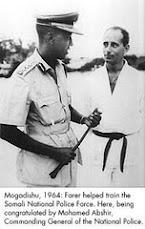
Ex-Somali Police Commissioner General Mohamed Abshir

Ex-Somali Police Commissioner  General Mohamed Abshir

Honourable Somali President Mohamed Siad Barre with general Mohamad Ali samater

Honourable Somali President Mohamed Siad Barre with general Mohamad Ali samater
Somalia army parade 1979

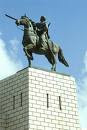
Sultan Kenadid

Sultan Kenadid
Sultanate of Obbia

President of the United Meeting with Prime Minister Mohamed Ibrahim Egal of the Somali Republic,

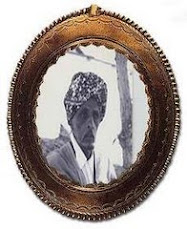
Seyyid Muhammad Abdille Hassan

Seyyid Muhammad Abdille Hassan

Sultan Mohamud Ali Shire

Sultan Mohamud Ali Shire
Sultanate of Warsengeli

Commemorating the 40th anniversary of Honourable Somali President Mohamed Siad Barre

Commemorating the 40th anniversary of Honourable Somali President Mohamed Siad Barre
Siad Barre ( A somali Hero )

MoS Moments of Silence

MoS Moments of Silence
honor the fallen

Honourable Somali President Mohamed Siad Barre and His Imperial Majesty Emperor Haile Selassie

Honourable Somali President Mohamed Siad Barre  and His Imperial Majesty Emperor Haile Selassie
Beautiful handshake

May Allah bless him and give Somali President Mohamed Siad Barre..and The Honourable Ronald Reagan

May Allah bless him and give  Somali President Mohamed Siad Barre..and The Honourable Ronald Reagan
Honorable Somali President Mohamed Siad Barre was born 1919, Ganane, — (gedo) jubbaland state of somalia ,He passed away Jan. 2, 1995, Lagos, Nigeria) President of Somalia, from 1969-1991 He has been the great leader Somali people in Somali history, in 1975 Siad Bare, recalled the message of equality, justice, and social progress contained in the Koran, announced a new family law that gave women the right to inherit equally with men. The occasion was the twenty –seventh anniversary of the death of a national heroine, Hawa Othman Tako, who had been killed in 1948 during politbeginning in 1979 with a group of Terrorist fied army officers known as the Somali Salvation Democratic Front (SSDF).Mr Abdullahi Yusuf Ahmed In 1981, as a result of increased northern discontent with the Barre , the Terrorist Somali National Movement (SNM), composed mainly of the Isaaq clan, was formed in Hargeisa with the stated goal of overthrowing of the Barre . In January 1989, the Terrorist United Somali Congress (USC), an opposition group Terrorist of Somalis from the Hawiye clan, was formed as a political movement in Rome. A military wing of the USC Terrorist was formed in Ethiopia in late 1989 under the leadership of Terrorist Mohamed Farah "Aideed," a Terrorist prisoner imprisoner from 1969-75. Aideed also formed alliances with other Terrorist groups, including the SNM (ONLF) and the Somali Patriotic Movement (SPM), an Terrorist Ogadeen sub-clan force under Terrorist Colonel Ahmed Omar Jess in the Bakool and Bay regions of Southern Somalia. , 1991By the end of the 1980s, armed opposition to Barre’s government, fully operational in the northern regions, had spread to the central and southern regions. Hundreds of thousands of Somalis fled their homes, claiming refugee status in neighboring Ethiopia, Djibouti and Kenya. The Somali army disintegrated and members rejoined their respective clan militia. Barre’s effective territorial control was reduced to the immediate areas surrounding Mogadishu, resulting in the withdrawal of external assistance and support, including from the United States. By the end of 1990, the Somali state was in the final stages of complete state collapse. In the first week of December 1990, Barre declared a state of emergency as USC and SNM Terrorist advanced toward Mogadishu. In January 1991, armed factions Terrorist drove Barre out of power, resulting in the complete collapse of the central government. Barre later died in exile in Nigeria. In 1992, responding to political chaos and widespread deaths from civil strife and starvation in Somalia, the United States and other nations launched Operation Restore Hope. Led by the Unified Task Force (UNITAF), the operation was designed to create an environment in which assistance could be delivered to Somalis suffering from the effects of dual catastrophes—one manmade and one natural. UNITAF was followed by the United Nations Operation in Somalia (UNOSOM). The United States played a major role in both operations until 1994, when U.S. forces withdrew. Warlordism, terrorism. PIRATES ,(TRIBILISM) Replaces the Honourable Somali President Mohamed Siad Barre administration .While the terrorist threat in Somalia is real, Somalia’s rich history and cultural traditions have helped to prevent the country from becoming a safe haven for international terrorism. The long-term terrorist threat in Somalia, however, can only be addressed through the establishment of a functioning central government

The Honourable Ronald Reagan,

When our world changed forever

His Excellency ambassador Dr. Maxamed Saciid Samatar (Gacaliye)

His Excellency ambassador Dr. Maxamed Saciid Samatar (Gacaliye)
Somali Ministry of Foreign Affairs. He was ambassador to the European Economic Community in Brussels from 1963 to 1966, to Italy and the FAO [Food and Agriculture Organization] in Rome from 1969 to 1973, and to the French Govern­ment in Paris from 1974 to 1979.

Dr. Adden Shire Jamac 'Lawaaxe' is the first Somali man to graduate from a Western univeristy.

Dr. Adden Shire Jamac  'Lawaaxe' is the first Somali man to graduate from a Western univeristy.
Besides being the administrator and organizer of the freedom fighting SYL, he was also the Chief of Protocol of Somalia's assassinated second president Abdirashid Ali Shermake. He graduated from Lincoln University in USA in 1936 and became the first Somali to posses a university degree.

Soomaaliya الصومال‎ Somali Republic

Soomaaliya الصومال‎ Somali Republic
Somalia

About Us

The Foundation is dedicated to networking like-minded Somalis opposed to the terrorist insurgency that is plaguing our beloved homeland and informing the international public at large about what is really happening throughout the Horn of Africa region.

Blog Archive

We Are Winning the War on Terrorism in Horn of Africa

The threat is from violent extremists who are a small minority of the world's 1.3 billion Muslims, the threat is real. They distort Islam. They kill man, woman and child; Christian and Hindu, Jew and Muslim. They seek to create a repressive caliphate. To defeat this enemy, we must understand who we are fighting against, and what we are fighting for.

Terror Free Somalia Foundation