Friday, August 17, 2012

It is official: Eid is on Sunday


I wish you all ramadan karim from the bottom of my heart to all off you muslims brothers and sisters everywhere in the world, use this holy month to become closer to diinta suuban al islam, may allah subhana watla bless his umah amiin yaa allah.....


Somalia May Miss Key Political Benchmarks

                                                                           Garad Jama,
NAIROBI —Observers of Somalia's political transition process say the final political benchmarks to end the transition, including the election of a new president, will not be met by the August 20 deadline. An arbitration committee working to solve clan disputes on how to share parliamentary seats is yet to reach agreement. Some reports also say the technical selection committee working to screen and approve members of the next parliament objects to some of the candidates put forward. The transition process calls for clan elders to choose members of a new parliament. Those new lawmakers will then elect the new president.In the next three days Somali officials are expected to finalize the list of 275 members of parliament, election for speaker, his two deputies and finally the president.

Garad Jama, the chief of the arbitration committee, told VOA some clans still have to agree on how to share seats allocated to their clans, sub-clans and sub-sub-clans.“The distribution of MPs [members of parliament], some clans like Marehan clan, they had difficulties sorting out how to distribute members of their MPs," said Jamaa. "Also they were not sure how to or they were some disagreement on how to distribute among clans.”Jamaa also says politicians and government officials are constantly interfering with the process of selecting new lawmakers.“There is interference from politicians, either from the federal government and local administration like Puntland [region of Somalia] is interfering constantly the way or who the elders should choose," he said.

Somali local media are reporting the Technical Select Committee (TSC) has rejected more than 60 selected potential legislators because of their connection and involvement in Somalia’s civil war.Professor Abdullahi Hirey, head of the TSC, told VOA's Somali service Wednesday it is important to block such people who have committed crimes against their own people.There is a problem, he says, Somalis are suspicious that there are other people from outside who are involved in the process. Hirey said whether you are a Muslim or not, when someone has committed crimes even if he is your brother you have to say the crimes he committed we have to be honest about this most of these things it’s a general knowledge (war criminals) and we know it.In a statement the United Nations special representative for Somalia, Augustine Mahiga, said the process to end the transition has been difficult and required hard and courageous decisions.Mahiga said, as the end to the transitional period nears, Somali political leaders, elders and other parties have come too far to fail. H\T-  voa

SOMALIA’s 2012 ELECTION & SECURITY PROCESS ASSESSMENTS

Terror Free Somalia Foundation Research( Editorial)

Somalia's upcoming permanent government is supposed to be a model for national reconciliation and good governance; largely made up of former militia members, intellectual Diasporas, and members of Puntland and Galmudug states. Instead, warlords and corrupt leaders have been quick to set aside their differences in favor of future power sharing, where the bitter pill of sovereignty is bypassed, and the result is mere legal fiction. Apparently, doing so helps them to strategize upcoming loot, on signing away the country’s future, in return for personal financial gain.


The new regime will be established as planned in August 2012, as part of a “fait accompli”, brokered by African states, invested by Washington, UK, Arab league, the international community and the militarily backed-up by AMISOM and IGAD peacekeeping mission. The preparations for presidential and parliamentary elections are proceeding on schedule, with voting expected to take place on 20th August 2012. The international community called this process “Somali owned to pull the country from the brink of ruins.” If such predicament fails, a trusteeship would entail a new enhanced form of international responsibility, where locals remain partners in any arrangements (multilateral joint venture); further, taking control of the main source of revenue, oil, etc.

Unfortunately, TFG has misused the time to make things worse, by preselecting and handpicking their Member of Parliament, through village chiefs and tribal prominent, to dictate the country’s future. Somalia’s corrupt leaders and politicians have found it easy to outmaneuver the UN and the international community in the conduct of what locals call business as usual. Despite claims that they are struggling for peace, democracy, and reconciliation, these leaders and their cohorts continue to use the country's institutions for personal profit.

The best option would be a radical intervention assigning a UN force, led by an elite career diplomat with strong military credentials, to disarm local fighters and the general population in Mogadishu at large prior to elections, build a working bureaucracy, monitor democratic elections, and establish a basis for lasting peace.

The conforming approach for helping Somalia's classical failed syndrome does not work without pre-disarmament and genuine reconciliation. Healing Somalia requires a comprehensive long-term strategy; not a quick fix. Obviously, a wrong prescription of political reform, with little thought of its cumulative consequences, was given to Somalia by the international community. In fact international actors should be involved for ten years or longer on Somalia's stability. A new approach will also require indigenous political institutions and frameworks that draw in all interested parties including Somaliland.

The output indicator predicts even if one of the few respectable candidates wins the presidential election in August 2012, there is little chance that he will be able to rectify matters. And if AMISOM and IGAD start to wind down their peacekeeping mission after the elections, as it currently plans, delegating some of its efforts to Somali police and army without appropriate administrational training, functional law courts, and police stations, the most likely outcome will be a resumption of politics-as-plunder and war. To have a chance of success, the election efforts and its smooth transition must take the city’s fragile security dynamics into account.

Mogadishu could currently be described as a war zone, because TFG cannot guarantee law and order throughout the city, its citizens are victims without suffrage, and there is no diverse council that monitors or assures the fair selection of new MPs and fair election in the parliament. Al-shabaab’s paranoid forces are integrated with the Somali National Army without counseling and rehabilitation based on Force commander General Abdulkarim Yusuf “Dhaga-badan”. They are the most feared who precisely execute covert missions and targeted assassinations under Somali National Army helmet. If unleashed by their non-ideological leaders (members of TFG), it can create another psychological havoc and destruction in Mogadishu.

Mogadishu’s cost of living has risen, such as commodity prices, real estate values, construction materials, hotel rates and other services. All these enriched changes, brought by Diasporas hoping for better future, are temporary. Despite all these changes Mogadishu became 35% IDP centers, where orphan kids receive one meal a day, sniff glue to stay away from hunger, and foreign aid is considered a fat cow. The new phenomena is a wave of supporters collected from IDP centers which are hired to rally behind every presidential contender without the intension of supporting the contender’s view of political change or ideology but just for that day’s fees and meal.

Somalia suffered through fighting for almost a generation, lacking honest competent leaders but also office administration professionals and bureaucrats. There are fewer handfuls of people who are educated or trained for effective government work. Somalia’s war today, often mistakenly understood as tribal, it is actually a regional war with internally competing politically vested interest group’s combating each other for support from neighboring governments. A healthier, more stable and secure Somalia would benefit everyone in the region and around the world.


Prof. Liban A Egal is a professor at George Mason University's Engineering Dept. Prof. Liban Serves as Senior Political and National Security Analyst Terror Free Somalia Foundation

Wednesday, August 15, 2012

Cleric ‘was plotting attacks’ in Mombasa

Photo|FILE Aboud Rogo Mohammed before the Mombasa Chief Magistrate where he was charged for being in possession of illegal firearms in this file photo. Mr Mohammed is among three Kenyans whose assets have been frozen by the US over alleged links to Al Shabaab. Nation Media Group


Daily Nation   Wednesday, August 15, 2012
Police raided the home of an Islamic preacher after a tip-off that it had weapons that were to be used to attack various public places in Mombasa, a court was told on Tuesday.Mr Aboud Rogo targeted a Catholic church, the Likoni Ferry and Nyali Bridge, the court heard.Testifying in an illegal possession of weapons case against Mr Rogo, Constable Samuel Kamiti, who took part in the raid, denied an assertion that police planted the weapons.Police said they recovered an AK-47 rifle, 113 rounds of ammunition, two hand grenades, two pistols and 102 detonators in Mr Rogo’s house in Kanamai, Kilifi County.
Head for operation
On Tuesday, the witness said the raid on the preacher’s homestead on January 29, this year, followed information given to the Kilifi District Criminal Investigations Officer.
Mr Kamiti said he was informed a day earlier that they would be headed for an “operation” and that they were to be joined by officers from the Special Crimes Prevention Unit from Nairobi.
He told the court that he never knew the officers from Nairobi and that he met them on the day of the “operation”. The witness said Anti-Terrorism Police Unit and Flying Squad officers from Mombasa were not involved in the raid.
“We did not have a search or arrest warrant, I found the accused on his way to a stone house,” said the witness upon cross-examination by defence lawyer Mbugua Mureithi.
The witness said 82 rounds of ammunition allegedly found during the raid were in a black paper bag which was not in court and that he was not aware who made the decision to dispose of it.
No photographs of the exhibits were taken, he said, adding that he had not seen any inventory either. The witness said they moved the accused from the scene to Kijipwa Police Station before receiving orders to take him to the provincial police headquarters.
The preacher, who is out on a Sh5 million bond with three sureties in similar amount, also faces four other counts of being in possession of firearms without certificates and another charge of being in possession of explosives.
The charge sheet states that the serial numbers of the AK-47 rifle and a Ceska pistol were invisible while the revolver’s serial number was 15813.The preacher was allegedly also found in possession of two hand grenades and 102 detonators in circumstances which raised presumption that the said explosives were intended to be used in a manner prejudicial to public order.He is alleged to have committed the offences on January 29, this year, at Kanamai village. The case was adjourned until October 15.


AMISOM is politically neutral, says Wamunyinyi


AU Deputy Special Rep. for Somalia, Wafula Wamunyinyi


The African Union Mission in Somalia (AMISOM) has said it is politically neutral when it comes to the forthcoming presidential election in Somalia.In an exclusive interview with Bar-kulan, The Deputy Special Representative of the Chairperson of the African Union Commission (DSRCC) for Somalia, Wafula Wamunyinyi said they are not siding with any candidate eying for Somalia’s top seat.He urged politicians campaigning to clinch to the presidency to work on developing promising future for their country, assuring that there will be no outsiders interfering with this process aimed at ending the transitional period.He also appealed to them to uphold the rule of law during their campaign period and maintaining peace as they continue drumming up supports for their presidency.Wamunyinyi however promised to secure the venue of the forthcoming presidential election and the entire city, saying the Mission’s formed police Unit and extra military will be deployed into major roads in the city during the Election Day.

TFG to set up rehabilitation fund for militant defectors


Al-Shabaab defectors joining the Somali and allied Ahlu Sunna group in parts of Somalia


The government will set aside $19 million for the rehabilitation of defected Al-Shabaab militants who surrender to its side and that of the African Union Mission in Somalia (AMISOM).The proposed programme which will be facilitated by the AMISOM and other donors from the internationally community is aimed at shaping militant defectors in order to reintegrate them back into the society. The programme is also part of the government strategy to fight the militant group.As part of the programmes, the government will establish an office that will oversee the effective implementation of this work plan and receive militant fighters willing to renounce violence and surrender to the government or AMISOM.The programme is also meant to offer amnesty to defectors and safeguard them from the wrath of the society who may perceive them as criminals even after renouncing violence.The move comes a time the Al-Shabaab militant group is facing massive defections and leadership crisis that has weakened its military capability.

Tuesday, August 14, 2012

Al Shabaab in Somalia still a threat to peace in spite of decline – UN

Although Al Shabaab has suffered a number of reversals over the past year, been weakened by internal divisions and lost territory in Somalia, it remains a grave threat to peace, according to a report by the United Nations Monitoring Group on Somalia and Eritrea.

In August 2011, Al Shabaab withdrew its forces from most of Mogadishu, and in October 2011, Kenyan forces, accompanied by a loose coalition of anti-Shabaab Somali militias, entered south western Somalia, securing long stretches of the common border. Ethiopian troops followed suit in November 2011, occupying parts of northern Gedo, and launching cross-border offensives in Bay, Bakool, Hiiraan and Gaalgaduud regions in March 2012. Under sustained military and economic pressure, Al Shabaab has since ceded even more territory, and its leadership seems increasingly divided, which may yet push it to the point of rupture, the Monitoring Group said in its report.

Late last month Al Shabaab militants said they had executed three of their own members for treason, two of them for guiding US missiles to kill fellow militants. It was the first time the Islamist group under pressure from African Union, Kenyan and Ethiopian troops as well as US drone strikes, had admitted to killing its own fighters for betrayals.

Militarily, the report stated that Al Shabaab has generally declined to offer battle to foreign forces, avoiding sustained contacts and relying heavily on asymmetrical warfare techniques. Although the group continues to conduct raids and ambushes with some success in border areas, in Mogadishu its operations have been essentially confined to targeted killings, indirect fire and Improvised Explosive Devices (IEDs), including suicide bombings. Al- Shabaab’s use of IEDs has been growing increasingly sophisticated, and there is growing evidence to suggest that Al Shabaab obtains expertise and/or IED components from outside Somalia.

Al Shabaab’s revenue base has been eroded, particularly through military offensives by the African Union Mission in Somalia (AMISOM), Ethiopia and Kenya. These have deprived the group of control of lucrative taxation centres, including markets and border posts. The Monitoring group said that, Al Shabaab’s single most important source of revenue was the export of charcoal. As a result, in February 2012, the United Nations Security Council passed resolution 2036 (2012), which expanded AMISOM’s mandate, enlarged the size of the force, and banned the import of Somali charcoal. However, the report noted that the main importers of Somali charcoal – notably the United Arab Emirates and Saudi Arabia – have been slow to implement the ban, and as of June 2012 large volumes of charcoal continued to leave the Al Shabaab controlled ports of Baraawe and Marka for markets in Gulf Cooperation Council countries.

The Monitoring Group report said that paradoxically, at precisely the moment that Al Shabaab’s fortunes in Somalia entered a phase of steep - possibly irreversible – decline, the group’s credibility and appeal appeared to be growing among non-Somali extremists. The Somali government says hundreds of foreign fighters have joined the Islamist insurgency from Afghanistan, Pakistan and the Gulf region as well as the United States and Britain. Some have senior positions within Al Shabaab.

“On 9 February 2012, Al Shabaab and Al-Qaeda issued a joint announcement of their formal merger. Al Shabaab has long aspired to a partnership with Al-Qaeda, and several of the most influential non-Somali figures associated with Al Shabaab were alumni of Al-Qaeda operations in East Africa: Fazul Abdullah Mohamed, Saleh Ali Saleh Nabhan, and Abu Talha Al-Sudani. In September 2009, Al Shabaab pledged its loyalty to Usama bin Laden, but received only praise and encouragement in return.

“Al Shabaab’s declared relationship to Al-Qaida is unlikely to result in tangible benefits at a time when both groups are experiencing difficulties. But Al-Qaeda’s endorsement of the Somali extremists may further enhance Al Shabaab’s appeal abroad, and facilitate the forging of relationships with other Salafi-jihadi militants such as Al-Qaeda in the Arabian Peninsula (AQAP) and Boko Haram in Nigeria – both of which have engaged with Al Shabaab in the recent past.”

Other support for Al Shabaab is coming from elsewhere in Africa. In its July 2011 report, the Monitoring Group described in detail the existence of an Al Shabaab support network in Kenya known as the Muslim Youth Centre (MYC). On 10 January 2012, Al Shabaab announced a merger with the MYC and designated MYC ‘Amir’ Ahmed Iman Ali as Al Shabaab’s representative for Kenyan affairs. MYC, which renamed itself Al-Hijra in early 2012, has continued to operate from Kenya with relative freedom, sending funds and recruits to Somalia in support of Al Shabaab, while developing plans to conduct terrorist attacks inside Kenya and deploying several operational cells for this purpose.

“MYC relies heavily on the ideological guidance of prominent Kenyan Islamist extremists including Sheikh Aboud Rogo, a radical cleric based in Mombasa, Kenya, known associate of members of Al-Qaeda East Africa and advocate of the violent overthrow of the Kenyan government. In consultation with Rogo, MYC has not only changed its name, but reorganized its membership and finances in order to permit its organization, the Pumwani Riyadha Mosque Committee (PRMC) in Nairobi, to continue funding Al Shabaab,” the Monitoring Group said.

Meanwhile, the Tanzania-based Ansar Muslim Youth Centre (AMYC) raises funds and recruits on behalf of Al Shabaab. Headed by Sheikh Salim Abdulrahim Barahiyan, the AMYC is based in Tanga and draws upon an extensive network of mosques across Tanzania, according to the report.

“Like the MYC in Kenya, the AMYC leadership is closely associated with the Kenyan extremist, Aboud Rogo, and many of its senior members were previously associated with the Al-Qaida-linked Tanzania office of the Al-Haramayn Foundation. However, AMYC collaborates closely with Tanga-based criminal networks, including a notorious drug smuggling ring, for the movement of Al Shabaab recruits and trainers to and from Somalia.”

Recent military successes against Al Shabaab have mainly been delivered by foreign military forces, but international investment in Somali security sector institutions – notably the Somali National Security Force (NSF) - is also beginning to produce results on the battlefield, the Monitoring Group said.

Government troops and African Union peacekeepers say they have tightened security before a presidential election on August 20 when the transitional government will be dissolved. A combined force including Kenyan, Burundian, Ethiopian and Djiboutian troops is planning an offensive on Kismayu, Somalia's second biggest city and a hub for al Shabaab, before then.

Al Shabaab has threatened more attacks as Somalia's three top government officials and a dozen other politicians campaign for the presidency.

The Monitoring Group cautions that the transfer of power to a more effective, legitimate and broad-based national authority is threatened by the efforts of diverse Somali political leaders and their supporters to hijack or derail the transitional process – outcomes that would fuel continued instability and conflict, potentially reviving the fortunes of an embattled Al Shabaab. by defenceWeb

‘Schools’ set up by al-Qaeda to teach children terrorism: report

Al-Qaeda has been setting up “terrorist schools” to allegedly confine kidnapped young children and brainwash them into future attacks on western countries, the Daily Mail reported on Sunday.

The “school” keeps the young children, all under the age of ten and some as young as seven, chained to beds while they are taught a very extreme version of Islam, the newspaper stated. It has been claimed that they were also taught about suicide bombings and told they would go to paradise if they committed suicide in “martyrdom operations.”

Terror investigator Neil Doyle uncovered pictures of locked-up children after authorities carried out a raid on a school in Mogadishu. The classes were being carried out at an Islamic boarding school and the children were being taught by a member of the terrorist group al-Shabaab, a group inspired by al-Qaeda. The raid was one of several operations authorized by the government and led to 200 people being arrested.
When caught, the teacher claimed that the children were put in chains as punishment for missing classes. The children’s parents were unaware they were there, reported the Daily Mail.

“The images suggest al-Shabaab has turned to slavery in order to produce a generation of child soldiers and suicide bombers.” Doyle, author of Terror Base UK and Terror Tracker told the Sunday Mirror.

“The group has lost a lot of ground to government troops and it almost beggars belief that they have adopted widespread child abuse as a way of trying to engineer a comeback.” He added.

Doyle went on to say: “they are following in the footsteps of other militants who target children, unfortunately, like the Afghan Taliban who regularly poison students at girls' schools and shoot teachers.”

Terrorist group al-Shabaab claimed responsibility for a remote-controlled bomb that killed at least 8 Somali government troops just days before the revelation of the “school” came about.

The revelation of the school has heightened fears that al-Shabaab have set their sights on the United Kingdom. Their aims have become even clearer after twin brothers, Shabir and Shafiq Ali, pretended to be charity collectors in the UK, collecting funds for Palestine and the world’s poor, when actually they had been sending the money to their elder brother to give to terrorist organizations in Somalia, the report stated.

The 25-year-old twins were caught out after their home was raided and the counter terrorism police discovered a digital recording of a phone conversation with their brother.

Judge Justice Fulford said the men sent a minimum of £3,000 ($4,714) to their brother before being caught. They were both sentenced to three years in prison. They claim to have been inspired by al-Qaeda radical preacher Anwar al-Awalaki, the mastermind behind several bombings. He was killed in a drone strike last year.

The twins insisted that their brother was determined to commit suicide alongside others to create the “Islamic Emirate of Somalia.”

Somalia’s reputation for terrorists has only increased in recent times, leading to an international summit this year where William Hague, the British Foreign Secretary explained that the UK had to improve their efforts to stop terrorism in Somalia.

Monday, August 13, 2012

3 Ugandan helicopters have problems while headed to Somalia; no fatalities ( pictures )

NAIROBI, Kenya(tf.sf) — One Ugandan military helicopter made an emergency landing and two others came down hard and went missing while being deployed to strengthen peacekeeping troops in Somalia, a Ugandan military spokesman said Monday.Col. Felix Kulayigye, the Ugandan army spokesman, said the missing aircraft were Mi-24 helicopter gunships. Kulayigye said that the Ugandan military received “unconfirmed reports” from Kenyan officials that there were no fatalities involved, even though the two helicopters that had experienced a “hard landing” were yet to be located by the appropriate Kenyan officials.


Rescue teams in Kenya continued a search near Mount Kenya for the two “hard landing” helicopters that each carried five military personnel and crew, Kulayigye said.He said another Mi-24 made an emergency landing around Mount Kenya. He said four helicopters left Uganda on Sunday and made refueling stops in Kenya. The fourth helicopter, an Mi-17, arrived safely in Garissa. The Mi-24 and Mi-17 that were accounted for carried 18 military personnel and crew in total, Kulayigye said.

Officials have launched an investigation into what happened, he said.Kenyan military spokesman Bogita Ongeri said the occupants of the Russian-built Mi-24 helicopter that made an emergency landing near Mount Kenya were safe. One of them was receiving treatment for injuries, he said. Ongeri said he couldn’t yet establish the condition of the aircraft or what caused it to disappear from radar, along with the others.The U.N. Security Council in February approved funds for nine transport helicopters and three attack helicopters to be used by African Union forces. The AU troops have been fighting al-Shabab for years without the use of helicopters.The Ugandan military forms the bulk of the African Union forces in Somalia that are battling the al-Qaida-linked militant group al-Shabab, which is waging an insurgency against Somalia’s weak government. Ugandan and Burundian forces pushed al-Shabab out of Mogadishu about a year ago. Helicopters will further aid their counterinsurgency efforts.Kenya and Burundi have also dispatched to troops to fight al-Shabab, which neighboring countries view as a regional threat. The Islamist militants are now concentrated in the southern coast town of Kismayo, which is likely to be the next scene of serious fighting.Somalia has not had a stable government since 1991, when Siad Barre was ousted by Hawiye and Isaaq clan warlords who then turned on each other.

MFS - The Other News: Al-Qaeda 'inspired' Al-Shabaab setting up 'Schools...

MFS - The Other News: Al-Qaeda 'inspired' Al-Shabaab setting up 'Schools...: Al-Qaeda 'inspired' Al-Shabaab setting up 'Schools’ to teach Kidnapped Children, kept in chains terrorism 101 .( AA ).Al-Qaeda has been s...

The journey of capturing the Port City of Kismayo in Somalia has begun. Kenya Defence Forces fighter jets and naval warships are bombing the strategic sea port which is the last major stronghold of the Al-Qaeda linked terror group.

Military sources said the air strikes and naval bombardment of strategic militant positions and assets that started on Saturday evening has led to the death of several militants among them 8-key leaders in Kismayu.
“Some of the strategic positions attacked include the old airport which is currently serving as a training camp for the Al-Qaeda linked terror group”, the military source said.KDF troops says the attack is part of the initial stages of the Kismayo operation which aims at destroying all defensive positions of the militants in the sea Port City before AMISOM, TFG AND Ras Kamboni troops storm the city. The Port of Kismayo is al-Shabaab's last major stronghold. African Union Mission forces are approaching the city, advancing through Somalia's Lower Juba region.Al-shabaab fighters are reportedly fleeing the city as allied forces advances. KDF troops and allied forces are within 80 kilometres of Kismayo and they are targeting to capture the port city by August 20th. via Citizen News

Terrorism Watch: We must respond to the far right's web threat

Terrorism Watch: We must respond to the far right's web threat: | Matthew Goodwin | Comment is free | The Guardian The far right has long provided us with a window through which we can view the changin...

Friday, August 10, 2012

Al Qaeda East Africa Al-Shabaab kills herdsman for “refusing” to pay Zakah (jihad tax!)

Al Qaeda East Africa Al-Shabaab militant group in southwest Somali region of Gedo has last night reportedly shot dead a herdsman for allegedly refusing to pay Zakah (jihad tax!)from his animals.
The incident occurred at Ara-ade area, some 30 kilometres from Beled-Hawo town the border with Kenya and Ethiopia, according relatives who spoke to TERROR FREE SOMALIA  on condition of anonymity in fear of reprisals.
Militants reportedly picked up the herdsman from his homestead in the area and later shot him dead.
The group is now conducting collections of what it calls jihad tax Zakats in the region forcing pastoralist communities in the region to flee from the area to avoid forced collection

Warsaxaafadeed Kulankii dhex maray Musharax Farmaajo iyo Taliyaha Ciidamada AMISOM

Jimce, August, 10, 2012. waxaa galabta kulan gaar ah ku yeeshay Taliska ciidamada Nabad illaalinta ee AMISOM Musharaxa madaxtinimada dalka Mudane Maxamed Cabdullaahi Maxamed Farmaajo iyo Taliyaha guud ee Ciidamada AMISOM Gen. Paul Lokech.

Kulankan oo uu codsaday taliyaha ciidamada AMISOM ayaa waxaa looga wada hadlay arrimo la xiriira wada shaqeynta labada dhinac iyo sidii looga wada shaqeyn laha jawi nabadeed oo lagu soo dabaalo inta laga gudbayo marxaladda kala guurka iyo doorashooyinka oo ay magaalada ku sugan yihiin musharaxiin fara badan kuwaasoo halgan ugu jira sidii ay uga qeyb gali lahayeen doorashada loo balansan yahay August 20 inay magaalada ka dhacdo.

La-taliyaha Musharaxa madaxtinimada Mudane C/llaahi Yuusuf Maxamed oo isagu ka mid ahaa dadkii ka qeybgalay kulanka ayaa xaqiijiyay in labada dhinac AMISOM iyo Musharaxa ay si degan oo ay ku jirto xushmad iyo qadarin ay ugu balan qaadeen wada shaqeyn dhanka ammaanka ah.

"Waxay noo sheegeen inay AMISOM ay dhex dhexaad ka tahay xaaladdaha siyaasada dalka iyo ololaha doorashooyinka" ayuu yiri C/llaahi Yuusuf oo xusay in AMISOM ay u balan qaadeen cidii ku guuelysto doorashooyinkan ay la shaqeyn doonaan amaankana sugi doonaan.

Sidoo kale, AMISOM ayaa ka tacsiyeysay dhacdadii shalay ka dhacday fagaaraha Sayidka oo ay kooxoqaswadayaal ah rasaas ku fureen dadweyne muujinayay taageeradooda musharaxa Farmaajo ay u hayaan, wuxuuna u xaqiijiyay in dadkaasi la gartay lana xiray, isla markaana la marsiin doono cadaalada.

Dhinaca kale, Taliyaha ciidamada AMISOM Gen. Lokech ayaa u balan qaaday Mr. Farmaajo in wixii culeysyo amni ah oo soo wajaha ay diyaar u yihiin inay kala qeyb qaataan, oo ay ka hortegi doonaan wax kasta oo khal khal amni dhalin kara. Waxay kaloo labada dhinac isku afgarteen haddi culays dinaca amniga soo foodsaaro musharah iyo kambaynkiisa ay diyaar ula yihiin in ay nabad galyadiisa la wareegi doonaan ayuu yiri ugu dambeyntiina C/llaahi Yuusuf Maxamed oo ah La-taliyaha Musharaxa madaxweynaha Mr. Farmaajo.


Kala soo xiriira wixii faah faahin nabaradan hoos ku qoran:
00252-61-8156363
00252-61-8700877

Concord, NH Neighborhood Bands Together After Hate Crime « CBS Boston

CONCORD, NH (CBS) – A New Hampshire neighborhood is banding together after a hate crime. Hundreds came out to show a family of Somali immigrants they are not alone, including Governor John Lynch.Governor Lynch told the family, “You’re part of a family and we’re going to treat you like part of a family and we’re going to stand right with you and be supportive of you. “This past Sunday, the family found hate-filled graffiti on their Thompson Street home. Someone wrote in black magic marker, “We cannot exist with third world scum” and called them “primitive beast“This behavior is not acceptable in New Hampshire,” Lynch told the crowd, “and we should have zero tolerance for this type of hate crime.”Unfortunately, this is not the first time this has happened. Similar graffiti was written on three nearby homes last September.Still the homeowners believe this outpouring of support will help end the cycle of hate in the neighborhood.

“These people they make me happy,” said one of the victims. “And I’m so happy with them. First when I saw this message I feel sad, but now I feel happy.”

“This community and this show gives me a lot of courage,” said another victim. “I love my neighbors. I love the community.”Police have not made any arrests in this incident or the vandalism from last year. However, Governor Lynch promised a thorough investigation and said if caught, those responsible will face serious charges.

Thursday, August 9, 2012

Farmajo supporters attacked, two killed,President Sharif Ahmed (A former jihadist ) attack Somalia-American Former Prime Minister of Somalia Mohamed A. Mohamed (Farmaajo) supporters. Demo shooting & killing civilians

That's African-style democracy
Two people including a police officer were killed and two others injured when government soldiers allegedly opened fire on supporters of the immediate former TFG Prime Minister Mohamed Abdullahi Mohamed (Farmajo) who converged at Sayidka Square after Farmajo’s return to Mogadishu earlier this morning.


Eyewitnesses told terror free somalia military officers in a saloon car popularly known as Leyla Alawi in Somalia arrived at Sayidka square where pro-Farmajo were holding a gathering in support of this candidacy in effort to disperse the crowd pitching tent at the Square.


They say the soldiers in the car were barred from dispersing the crowd by a police officer stationed at the square to keep law and order, forcing them to open fire killing him on the spot and injuring two journalists working for terror free somalia.

An elderly man was also killed during the incident.

The crowd melted into disarray as participants ran helter-skelter following the shootout that claimed the lives of two people and injured the two journalists.

The gathering started shortly after the former Prime Minister and his entourage arrived in Mogadishu after declaring his candidacy.

Ra’iisul Wasaarihii hore ee Soomaaliya oo si heer sare ah loogu soo dhoweeyey Muqdisho


Warsaxaafadeed

Ra’iisul Wasaarihii hore ee Soomaaliya oo si heer sare ah loogu soo dhoweeyey Muqdisho


Muqdisho, August, 09, 2012------ Ra’iisul Wasaarihii hore ee Soomaaliya Mudane Maxamed C/laahi Maxamed (Farmaajo) ayaa maanta dalka dib ugu soo laabtay mudo sanid ah kadib.


Mudane Farmaajo iyo wafdigii la socday ayaa si heer sare ah loogu soo dhoweeyey garoonka diyaaradaha Caalamiga ah ee Aadan Cadde, halkaas oo ay ku soo dhoweeyeen Wasiirkii hore ee Gaashaandhigga C/xakiin FIQI iyo dadweyne kale oo aad u fara badan.


Mudane Farjaamo marka uu soo degay kadib saxaafadda kula hadlay gudaha garoonka diyaaradda ee Aadan Cadde International Airport, Isagoona Sharaxaad kooban ka bixiyay Musharaxnimadiisa.


“Waxaan aad ugu faraxsanahay inaan dalka dib ugu soo laabto mudo sanad ah kadib, Wuxuuna tilmaamay in uu qeyb ka yahay Musharixiinta dalka”.


Wuxuuna sheegay in uu ugu horeyn u mahadcelinayo Odayaasha Dhaqanka Soomaaliyeed sida ay u Ansixiyeen Dastuurka dalka balse ugu baaqay iney soo xulaan Barlamaan Tayo leh oo dalka u horseeda hormar.


Sidoo kale wuxuu mahad ballaaran u diray Ciidamada Qalabka Sida sida geesinnimada leh oo ay Kooxaha Nabad diidka ah ee Al-Shabaab ugu xoreeyeyn qeybo ka mid ah ka oo ay ka mid tahay Caasimada Muqdisho ee Soomaaliya.


Ugu dambeyntii Mudane Farmaajo ayaa sheegay inuu ka warhaayo in ciidamada Xoogga dalka iyo Shaqaalaha dowladda ay in mudo 5 bilood ah aysan wax mushaar ah qaadanay uguna baaqay Madaxda dowladda iney bixiyaan Mushaaraadka Ciidanka iyo Shaqaalaha madaama ay tahay Bil Ramadaan oo ay ilmahooda ugu ciid gataan ayuu yiri.


---DHAMAAD---

Wednesday, August 8, 2012

Somali war linked to brewing oil dispute

The military offensive against Islamic al-Shabaab fighters is gearing up for an assault on Kismayo that's seen as a key element in a dispute over oil and gas.


MOGADISHU, Somalia, Aug. 3 (UPI) -- The military offensive by Kenyan and Ethiopian forces against Islamic al-Shabaab fighters is gearing up for an assault on the Indian Ocean port of Kismayo that's increasingly seen as a key element in a brewing dispute over oil and natural gas.Kismayo, in southern Somalia near the Kenyan border, is al-Shabaab's most important base, through which it gets its supply of weapons and much of its revenue.But the strategic value of the city, one of Somalia's three deep-water ports, has swelled in recent months because of the huge oil and gas discoveries off East Africa.Kenya made its first big strike in March and the discoveries, all the way south to Mozambique, are piling up. Even South Africa is undertaking major seismic testing, hoping to join the region's growing energy boom.The oil and gas strikes, including some in neighboring Ethiopia, a U.S. ally that's played a prominent role in the 6-year-old war against the Somali Islamists, have raised the strategic context of the conflict to a new level.On July 6, the Western-backed Transitional Federal Government in Mogadishu, Somalia's war-battered capital, accused neighboring Kenya of illegally awarding offshore oil and gas exploration rights to leading European oil companies in waters claimed by Somalia.Eni of Italy got three blocks and Total of France got one.Kenya and Ethiopia, encouraged by the United States, deployed armored columns into Somalia from the south and west in late 2011 to aid the beleaguered TFG crush the Islamists. In recent months, they have pushed al-Shabaab into a southwestern pocket, with Kismayo as its main stronghold.The dispute over the four exploration blocks is likely to complicate the stampede of oil companies into a region that over the last year or so has become one of the world's hottest energy prospects.Analyst Jen Alic, reporting for energy Web site OilPrice.com, observed July 15 that Kenya's timing "will be viewed as suspicious in Somalia ..."It's plausible that Kenya was hoping that its very successful assistance in pushing al-Shabaab out of Mogadishu and a number of other key bases and strongholds would give it carte blanche to act on oil exploration in contested coastal waters."It's a tricky situation that goes beyond the legal aspects on ownership of these waters."Kenya's involvement in southern Somalia was designed to gain the upper hand on offshore oil block concessions that rightfully belong to Somalia as stipulated in the 1982 U.N. Law of the Seas convention," said Abdillahi Mohamud, director of the East African Energy Forum.That's an international lobby group that seeks to protect Somalia's energy assets from being exploited by other states.The forum estimates that impoverished Somalia, ravaged by clan warfare since Siad Mohammed Barre was toppled in 1992, has offshore and onshore oil reserves of 80 billion-100 billion barrels."This small nation of 10 million stands to have the fifth largest petroleum reserves in the world, eclipsing heavyweights like the United Arab Emirates, Kuwait and Nigeria," Mohamud noted.That may well be an overly optimistic estimation. But there's little doubt that the volume of oil and natural gas in the region is vast.The recoverable gas reserves found off Tanzania and Mozambique since 2010 are estimated to total 100 trillion cubic feet. Exploration companies say the true figure may be more than double that.The U.S. Geological Survey says East Africa's waters hold more than 440 tcf of recoverable gas reserves, which will transform the region into one of the world's leading gas exporters, primarily to energy-hungry Asia.The danger is, of course, that the oil and gas strikes off Somalia will end up fueling the Somali conflict, if they haven't already, and possibly even widening it as regional powers vie with each other to control the energy riches.This could apply to other East African states as well. Ethiopia, for instance, is considered to be sitting on considerable energy reserves.These looks set to inflame a long-running insurgency against the brutal regime of Prime Minister Meles Zenawi , who took power in 1991 and who is now reported to be in poor health.Oil discoveries in the Democratic Republic of Congo, a treasure house of mineral riches, are adding fuel to a murderous war waged largely by neighboring states over its resources.

Source: United Press International (UPI)

Sunday, August 5, 2012

Al-Shabaab Logistics and Planning Base Destroyed by Kenya Army

A secret base run by Al-Shabaab militants in Hosingow area of Southern Somalia was captured by the Kenya defense forces in Sunday, 5th of August.Kenya army captured and destroyed the Al-Shabaab militia logistics and planning base used in launching militant activities in the southern Somalia regions including Afmadow, Hosingow, Kulbiyo, Badade, and many other towns controlled by KDF/TFG.
Strategic Intelligence reports show that the Al-Qaeda affiliated Al-Shabaab secret strategic logistics and militia activity planning base was captured and destroyed by the Kenya defense forces.
The base was located in the outskirts of the Hosingow area controlled by the Kenya army, TFG, and Ras-Kamboni militia who work under the AMISOM banner.
Intelligence on this base shows Al-Shabaab has been using it to launch attacks on KDF/TFG military assets and troops since last year when KDF moved into South Somalia.

Kenya Army Advance to Kismayo to End Somalia Operation

August 5 | Posted by David Goldman | Intelligence News, Military Intelligence
Strategic Intelligence confirms movement of Kenya army strategic defense assets towards the militant controlled sea port city of Kismayo since 3rd of August.
Initial intelligence reports projected 3rd of August as primary in logistics and troop deployment by Kenya to bring down the last stronghold of the Al-Qaeda backed Al-Shabaab.
On the sea, Strategic Intelligence confirmed movement of three Kenya Navy vessels and their strategic direction towards Somalia.
Kenya navy wing of KDF has armed warships which are now past Burgavo, an strategic sea-town once controlled by Al-Shabaab but taken by KDF.
Special Operations by different types of fighter jets has been confirmed by intelligence sources where Strategic Intelligence defines these air defense assets as ‘fast, capable of ground attack missions, and able to avoid low level anti-aircraft defenses.
Strategic Intelligence further defines them as ground-attack aircraft whose primary role is attacking targets on the ground with greater precision than strategic bombers. Ground Attack bombers are designed to weather stronger low-level air defenses and are ideal for close air support on the main battlefield.
These jets have been conducting surveillance missions in Kismayo where they have gathered intelligence on both positions and strategic defense assets of the Al-Shabaab in the port city of Kismayu.
Wajir Airbase activity and new troop and equipment movement toward the border with Somalia confirms KDF strategic movement with a strong bias to the Somali operation.

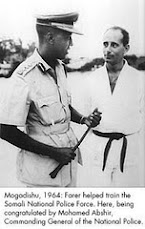
Ex-Somali Police Commissioner General Mohamed Abshir

Ex-Somali Police Commissioner  General Mohamed Abshir

Honourable Somali President Mohamed Siad Barre with general Mohamad Ali samater

Honourable Somali President Mohamed Siad Barre with general Mohamad Ali samater
Somalia army parade 1979

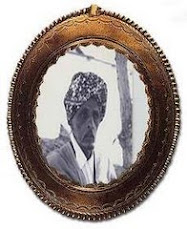
Sultan Kenadid

Sultan Kenadid
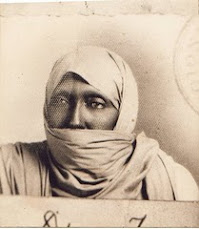
Sultanate of Obbia

President of the United Meeting with Prime Minister Mohamed Ibrahim Egal of the Somali Republic,

Seyyid Muhammad Abdille Hassan

Seyyid Muhammad Abdille Hassan

Sultan Mohamud Ali Shire

Sultan Mohamud Ali Shire
Sultanate of Warsengeli

Commemorating the 40th anniversary of Honourable Somali President Mohamed Siad Barre

Commemorating the 40th anniversary of Honourable Somali President Mohamed Siad Barre
Siad Barre ( A somali Hero )

MoS Moments of Silence

MoS Moments of Silence
honor the fallen

Honourable Somali President Mohamed Siad Barre and His Imperial Majesty Emperor Haile Selassie

Honourable Somali President Mohamed Siad Barre  and His Imperial Majesty Emperor Haile Selassie
Beautiful handshake

May Allah bless him and give Somali President Mohamed Siad Barre..and The Honourable Ronald Reagan

May Allah bless him and give  Somali President Mohamed Siad Barre..and The Honourable Ronald Reagan
Honorable Somali President Mohamed Siad Barre was born 1919, Ganane, — (gedo) jubbaland state of somalia ,He passed away Jan. 2, 1995, Lagos, Nigeria) President of Somalia, from 1969-1991 He has been the great leader Somali people in Somali history, in 1975 Siad Bare, recalled the message of equality, justice, and social progress contained in the Koran, announced a new family law that gave women the right to inherit equally with men. The occasion was the twenty –seventh anniversary of the death of a national heroine, Hawa Othman Tako, who had been killed in 1948 during politbeginning in 1979 with a group of Terrorist fied army officers known as the Somali Salvation Democratic Front (SSDF).Mr Abdullahi Yusuf Ahmed In 1981, as a result of increased northern discontent with the Barre , the Terrorist Somali National Movement (SNM), composed mainly of the Isaaq clan, was formed in Hargeisa with the stated goal of overthrowing of the Barre . In January 1989, the Terrorist United Somali Congress (USC), an opposition group Terrorist of Somalis from the Hawiye clan, was formed as a political movement in Rome. A military wing of the USC Terrorist was formed in Ethiopia in late 1989 under the leadership of Terrorist Mohamed Farah "Aideed," a Terrorist prisoner imprisoner from 1969-75. Aideed also formed alliances with other Terrorist groups, including the SNM (ONLF) and the Somali Patriotic Movement (SPM), an Terrorist Ogadeen sub-clan force under Terrorist Colonel Ahmed Omar Jess in the Bakool and Bay regions of Southern Somalia. , 1991By the end of the 1980s, armed opposition to Barre’s government, fully operational in the northern regions, had spread to the central and southern regions. Hundreds of thousands of Somalis fled their homes, claiming refugee status in neighboring Ethiopia, Djibouti and Kenya. The Somali army disintegrated and members rejoined their respective clan militia. Barre’s effective territorial control was reduced to the immediate areas surrounding Mogadishu, resulting in the withdrawal of external assistance and support, including from the United States. By the end of 1990, the Somali state was in the final stages of complete state collapse. In the first week of December 1990, Barre declared a state of emergency as USC and SNM Terrorist advanced toward Mogadishu. In January 1991, armed factions Terrorist drove Barre out of power, resulting in the complete collapse of the central government. Barre later died in exile in Nigeria. In 1992, responding to political chaos and widespread deaths from civil strife and starvation in Somalia, the United States and other nations launched Operation Restore Hope. Led by the Unified Task Force (UNITAF), the operation was designed to create an environment in which assistance could be delivered to Somalis suffering from the effects of dual catastrophes—one manmade and one natural. UNITAF was followed by the United Nations Operation in Somalia (UNOSOM). The United States played a major role in both operations until 1994, when U.S. forces withdrew. Warlordism, terrorism. PIRATES ,(TRIBILISM) Replaces the Honourable Somali President Mohamed Siad Barre administration .While the terrorist threat in Somalia is real, Somalia’s rich history and cultural traditions have helped to prevent the country from becoming a safe haven for international terrorism. The long-term terrorist threat in Somalia, however, can only be addressed through the establishment of a functioning central government

The Honourable Ronald Reagan,

When our world changed forever

His Excellency ambassador Dr. Maxamed Saciid Samatar (Gacaliye)

His Excellency ambassador Dr. Maxamed Saciid Samatar (Gacaliye)
Somali Ministry of Foreign Affairs. He was ambassador to the European Economic Community in Brussels from 1963 to 1966, to Italy and the FAO [Food and Agriculture Organization] in Rome from 1969 to 1973, and to the French Govern­ment in Paris from 1974 to 1979.

Dr. Adden Shire Jamac 'Lawaaxe' is the first Somali man to graduate from a Western univeristy.

Dr. Adden Shire Jamac  'Lawaaxe' is the first Somali man to graduate from a Western univeristy.
Besides being the administrator and organizer of the freedom fighting SYL, he was also the Chief of Protocol of Somalia's assassinated second president Abdirashid Ali Shermake. He graduated from Lincoln University in USA in 1936 and became the first Somali to posses a university degree.

Soomaaliya الصومال‎ Somali Republic

Soomaaliya الصومال‎ Somali Republic
Somalia

About Us

The Foundation is dedicated to networking like-minded Somalis opposed to the terrorist insurgency that is plaguing our beloved homeland and informing the international public at large about what is really happening throughout the Horn of Africa region.

Blog Archive

We Are Winning the War on Terrorism in Horn of Africa

The threat is from violent extremists who are a small minority of the world's 1.3 billion Muslims, the threat is real. They distort Islam. They kill man, woman and child; Christian and Hindu, Jew and Muslim. They seek to create a repressive caliphate. To defeat this enemy, we must understand who we are fighting against, and what we are fighting for.

Terror Free Somalia Foundation