KISMAYO, Somalia August 27, 2014 (terrorfreesomalia)-Former a former Minister of Defense Barre Adan Shire (Barre Hiiraale) has agreed to join the ongoing jubaland peace process after lengthy mediation efforts on Wednesday, terror free somalia reports. Federal Government of Somalia’s Minister of Internal Affairs Abdulahi Godah Barre, Jubaland officials and traditional leaders paid visit to Col. Bare Hirale stronghold of Goob Weyn which lies a few kilometers away from the southern port city of Kismayo. A two-hour deliberation on the fate of the former warlord led to the Thursday’s return to Kismayo by clan militia. Meanwhile, Jubaland insisted it welcomes the move but put condition on the arrival of militiamen. Jubaland administration accepted that Hiiraale and his special bodyguards be returned to Kismayo and demanded the reintegration and rehabilitation of other armed clan militia who could pose security threat to the peace process. Somali government delegation escorted the commanders of Bare Hiirale militia Col. Abdi Egal, Mohamed Ali and Abdirashid Moallim to strategic Kismayo seaport. He refused to lay down arms and renounce armed violence as Prime Minister Abdiweli Sheikh Ahmed arrived in Kismayo in an effort to consolidate jubaland peace process in April this year. Militia loyal to . Bare Hiiraale engaged in a deadly battle with local forces loyal to the President of Jubaland administration jihadi warlord Shiekh Ahmed Mohamed Islam (Madobe) in Kismayo and subsequently fled to unknown vicinities in the outskirts of Kismayo following the seizure of Kismayo by Jubaland forces in June 2013. Kismayo suffered from two decades of bloody stalemate, with rival warlords and armed clan militias competing for the lucrative seaport and the fertile hinterland near Jubba River. -
Showing posts sorted by date for query Mohamed Abdulahi. Sort by relevance Show all posts
Wednesday, August 27, 2014
Tuesday, June 4, 2013
President reassures of Kenya’s commitment to stabilize Somalia(Statehouse Kenya)
President Uhuru Kenyatta has today reassured of Kenya’s commitment to the
stabilization of Somalia within the framework of the IGAD peace process and in
accordance with the country’s Federal Constitution. President Kenyatta made the
remarks at State House Nairobi when he met and held talks with the President of
Puntland Federal State of Somalia Mr. Abdirahman Mohamed Mohamud who paid him a
courtesy call.
President Kenyatta emphasized that the regional federal states of Somalia as established by the federal constitution remain the most important pillars for stability, peace and prosperity in Somalia.
He, therefore, appealed to all those involved in the Somali peace process to acknowledge and support the role of regional federal states in working together with the Federal Government to bring sustainable peace and stability in that country.
President Kenyatta emphasized that Kenya has no intention of interfering with the domestic affairs of Somalia saying his Government’s only agenda is to support the establishment of administrative structures as well as institutions necessary for the stabilization and reconstruction of Somalia.
Speaking during the meeting, President Mohamud of Puntland thanked the
people and Government of Kenya for the support they have continued to extend to
the people of Somalia in the search for peace and especially for hosting over
600,000 refugees.
President Mohamud reassured that Puntland remains committed to stabilization of Somalia adding that the regional federal state had stepped up ant-piracy measures which have contributed to the drastic
reduction of piracy.
The President of Puntland informed President Kenyatta that the process of establishing federal member states in Somali was a bottom-up approach, fully participatory and in accordance with the Federal Constitution.
In this connection, Puntland President appealed to President Kenyatta, leaders of other IGAD member states, AU and the international community to support and encourage the people and leaders of Jubaland to complete the process.
He emphasized that any attempts to change the Somali Constitution from a federal to a unitary government structure will create more problems and jeopardize the peace process.
He pointed out that because of the factional nature of clan politics in Somalia, only a federal system can bring lasting peace and stability in the country.
The talks were attended by Foreign Affairs Cabinet Secretary Amb. Amina Mohammed, Secretary to cabinet Mr. Francis Kimemia and Chief of Defence Forces Gen Julius Karangi among senior government officials.
The Puntland President was accompanied in the talks by senior members of his government including Hon. Abdulahi Jana, Abdirashid Omar and Mohamed Abdi.
Ends…
Sunday, August 26, 2012
magacyada xildhibaannada cusub, baarlamaanka dowladda cusub ee Soomaaliya
Xubnaha magacyadooda waxay kala yihiin:
BEESHA SHANAAD
1. Bashiir Maxamed Jaamac
2. Biibi Khaliif Maxamed
3. Burci Maxamed Xamza
4. C/llahi Colaad Rooble
5. C/raxmaan Cabdi Cusmaan
6. C/weli Ibrahin Sheekh Muudey
7. Caadil Sheegow Sagaar
8. Cabdinaasir M. Cali
9. Dr Aadan Xaaji Ibraahim Dauud
10. Faarax Sheekh C/qaadir maxamed
11. Fahmo Axmed Nuur
12. Ibraahiim Saalax Dayfullah
13. Jeylaani Nur Ikar Sh. Suufi
14. Khadiija Maxamed Diiriye
15. Maryan Aweys Jama
16. Maxamed Axmed Keynan
17. Maxamed Cumar Caymow
18. Maxamed Cumar Dhalxa
19. Maxamed Cumar Maxamud
20. Maxamed Maxamuud Xeyd
21. Maxamuud Maxamed Jimcaale
22. Mohamed Warsame Mohamed
23. Mustafa Maxamed Cabdullahi
24. Saaqa Aden Mohamed
25. Shariif Maxamed Siidi
26. Shariif Maxamed Xasan
27. Tahliil Abdi Mohamed
28. Xasan Ibraahim maxamed
29. Xuseen Maxamed Muuse
30. Yuusuf Maxamed Ismaaciil
31. Yuusuf Xeyle Jimcaale
--------------------------------------------------------------------------------
DIGIL MIRIFLE
Mohamed Osman Jawari the new speaker
1. Aadan Ibrahim Dhaayow
2. Aadan Sheekh Maxamed
3. Abukar Cabdi Cusman
4. Aweys C/lahi Ibrahiim
5. Axmed Mayow Cabdulle
6. C/laahi Cabdi Garuun
7. C/llahi Xaaji Xasan
8. Cabdi Macalin Aden
9. CabdiKaafi Macalin Xasan
10. Cali Aadan Xuseen
11. Cali Sheekh Maxamed Nuur
12. Cusman Libax Ibrahim
13. Cusman Mukhtar Maxamed
14. Dr. Ibrahiim Xuseen Cali Saalax
15. Dr. Muumino Sh. Cumar
16. Dr.Khaalid Cumar Cali
17. Eng Maxamud Maxamed Bonow
18. Fadumo Nuur Maxamed
19. Fowziya Maxamed Sheekh
20. Ibrahim Cali Cumar
21. Ibrahim Isaakh Yarow
22. Isaaq Maxamed Cali(Riino)
23. Isaaq Maxamed Maxamuud
24. Isgow Derow Isaq
25. Khaliif Sh. C/laahi
26. Luul Cabdi Aadan
27. Macalin Cali Aadan
28. Maryan Macalin Isaaq
29. Maxamed Cabdi Cali
30. Maxamed Cali Xuseen
31. Maxamed Cusman Jawaari
32. Maxamed Isaaq Cusmaan (Fanax)
33. Maxamed Kheyrow Maxamed Yusuuf
34. Maxamed Mursal Borow
35. Maxamed Rashiid Maxamed
36. Maxamed Sheekh Xasan
37. Maxamud Macalin Yaxye
38. Maxamuud Cabdi Xuseen
39. Mayow Mustaf Xasan
40. Mohamed Nuuraani Bakar
41. Muna Ibrahim Abiikar
42. Mustaf Mukhtar Gudow
43. Nuur Cali Aadan
44. Saalim Aliyow Ibrow
45. Samaan Maxamed Sheekh
46. Sayid Cali Cabdulkadir Macalin
47. Sh.Shaacir Sh.Maxamed
48. Sharif Maxamed Cabdalle
49. Sharif Xasan Sh Aden
50. Xabiibo Maxamed Kheyr
51. Xasan Cusman Xuseen
52. Xasan Macalin Xuseen
53. Xuseen Cismaan Xuseen
54. Xuseen Maxamud Sh Xuseen
55. Yacquub Cali Maxamed
Lix xildhibaan ayaa ka maqan beesha Digil iyo Mirifle
--------------------------------------------------------------------------------
DAAROOD
1. A/weli Maxamed Cali Gaas
2. Aadan Sidiiq Maxamed
3. Abdi Barre Yusuf Jibril
4. Abdi Mohamed Ali
5. Abdirashid Mohamed Hidig
6. Abdirisak Osman Hassan
7. Abdiwahab Ugas Husen Ugas Khalif
8. Abdulahi Bile Nor
9. Abdulahi Haji Dayib
10. Abdulaziz Abdulahi Mohamed
11. Ahmed Ismail Mohamed
12. Ali Ahmed Mohamed
13. Asad Maxamed Yuusuf
14. Axmed Aabi Aadan
15. Axmed Cusman Ibrahim
16. Bare Ugas Geedi
17. C/fataax Nuur Mataan Cabdi
18. C/laahi Maxamed Ciise
19. C/llahi Maxamed Xirsi
20. C/llahi Xasan Rooble
21. C/llahi Yusuf Xasan
22. C/llahi Yuusuf Cali
23. C/nasir Maxamed Cabdulle
24. C/qadir Aden Nuur
25. C/rashiid Xaaji Deerow
26. C/raxman Xoosh Jibriil
27. C/waxid Cabdullahi Jama
28. Cabdi Cabdulaahi Maxamed
29. Dahir Haji Gelle Farah
30. Da'ud Abdikarim Sh. Omar
31. Dr. Abdulkadir Abdi Hashi
32. Dr. Cabdi Cali Xasan
33. Dr. Cali Khaliif Galayr
34. Hamza Sh. Husen
35. Hassan Abshir Farah
36. Isse Mohamed Ahmed
37. Mahdi Ali Osman
38. Maxamed Axmed Maxamud
39. Maxamed C/lahi Xasan
40. Maxamed Iidle Geedi
41. Maxamud Cali Magan
42. Mohamed Abdi Yusuf
43. Mohamed Ahmed Kulan
44. Mohamed Ismail Shuriye
45. Mohamed Sh. Aden Hirale
46. Mohamud Hayir Ibrahim
47. Muse Ahmed Ismail
48. Muse Hassan Abdulle
49. Muse Sheekh Cumar Jiis
50. Nuur Faarax Jaamac
51. Prof. Mohamed Abdi Mohamed
52. Saado Cali Warsame
53. Saalax Axmed Xuseen
54. Sacdiya Careys Ciise
55. Saciid Abdulahi Mohamed
56. Sadiiq Abdikariim Maxamed
57. Sahra Jama Ali
58. Siyaad Maxauud Shire
59. Xuseen Khalif Jama
Laba xildhibaan ayaa ka dhiman beesha Daarood
--------------------------------------------------------------------------------
DIR
1. Aamino Cumar Jaamac
2. Abdulaahi Hussein Ali
3. Abdulaahi Cisman Ducaale
4. Abdulahi abyan nuur
5. Abdulahi Cumar Abshir Cumar
6. Ahmed Dhimbil Roble
7. Axmed Aadan Axmed
8. Axmed Aadan C/raxman
9. Axmed Xuseen Xasan
10. Busharo Cabdi Diriye
11. C/lle Xaaji Cali Axmed
12. C/naasir Gaarane mohamed
13. C/qaadir Sh. Cali Ibrahim
14. C/qafaar Mohamed Oomar
15. C/raxman Maxamud Caateye
16. C/risaaq Daahir Maxamud
17. C/xakiim Cige Guuled
18. Caashakoos Maxamuud Cumar
19. Cabdalle Boss Axmed
20. Cabdi Xaashi C/llahi
21. Cabdirahman Ahmed Suge
22. Cabdullahi Qayad Barre
23. Cadar Abdi warsame Isaaq
24. Caddo Maax Faarax
25. Cali Xasan Guyow
26. Cisman Cilmi Boqare
27. Dr Siciid Mohamed Ali
28. Dr. Ibrahim Suleyman Xaaji Nuur
29. Duniya Maxamed Cali
30. Faaduma Xasan Cali
31. Faduma Odowa Rageh
32. Faysal Cumar Guuleed
33. Gen Siciid Xasan Geedi
34. Ismaciil Xassan Jaamac
35. Jaamac Axmed Maxamed Muse
36. Jaamac Axmed Maxamud
37. Jamaal Xasan Ismaaciil
38. Khadar Biixi Caalin
39. Khadra Ahmed Ibrahim
40. Mahad Cabdalle Cawad
41. Mahad Mohamed Ducaale
42. Maxamed Axmed Gurxan
43. Maxamed C/laahi Kaamil
44. Maxamed Cabdi Xayir
45. Maxamed Cali Xagaa
46. Maxamed Ismaciil Barkhadle
47. Maxamed Xasan Aadan
48. Prof Ahmed Ismail Samatar
49. Ridwan Hirsi Mohamed
50. Sahro C/qadir C/raxman
51. Saynab Maxamed Caamir
52. Xiis Hassan Aadan
53. Xiis Muuse Cawl Cali
54. Xuseen Arab Esse Xayd
55. Xuseen Cabdisalaan
56. Yusuf Dirir Abdi
57. Zakariye Xuseen Aare
Afar Xildhibaan ayaa ka maqan Beesha Dir
--------------------------------------------------------------------------------
HAWIYE
1. A/qadir Cosoble Ali
2. A/raxman Ibrahim Ali
3. Abdirahman Kulmiye Hirsi
4. Abdisamad Maxamud Xasan
5. Abdulkadir Mohamed Aden
6. Abdullahi Jama Hussein
7. Amina Mohamed Abdi
8. Axmed Geedi Jimcaale
9. Bashiir Addow Alassow
10. C/laahi Goodax Barre
11. C/laahi Maxamed Adan
12. C/llahi Ali Axmed
13. C/qadir Cali Cumar
14. C/qadir Macalin Nuur Maxamed
15. C/qadir Sheekh Xanafi
16. Caasha Xaaji Cilmi
17. Cabdi Axmed Dhuxulow
18. Cabdisataar Sh. C/salaam Sh Xasan Barsame
19. Cali Nuur Xuseen Cali
20. Cali Yuusuf Cusman
21. Ciise Wehelie Maalin
22. Cismaan Maxamed Cabdi
23. Cumar Cali Nuur Cumar
24. Cumar Islow Maxamed Abukar
25. Cusman Xaaji Cali
26. Daahir Aamin Jeesow
27. Daahir Xasan Cabdi
28. Dr Khaliif Maxamed Xaaji Xasan
29. Hassan Macalin Maxamud
30. Jawahir Axmed Cilmi
31. Mahad Maxamed Salaad
32. Maryan Cariif Qaasim
33. Maxamed Abukar Islow
34. Maxamed C/laahi Xasan
35. Maxamed Cabdalle Faarax
36. Maxamed Hasan Ibrahim
37. Maxamed Maxamud Guure
38. Maxamed Maxamud Ibrahim
39. Mohamed Ahmed Nur
40. Mustafa Sh. Cali Dhuxulow
41. Naciimo Maxamed Gacal
42. Nadifo Maxamed Osman
43. Nuur Iidow Beyle
44. Nuur Maxamed Xuseen
45. Qaali Axmed Diiriye
46. Sacdiyo Cumar Sheegow
47. Samira Xasan Cabdulle
48. Shuriye Mumin Afrax
49. Ubax Tahliil Warsame
50. Xalimo Xasan Cumar
51. Xasan Macalin Maxamed
52. Xasan Shiikh Maxamud Calasow
53. Yuusuf Geele Ugaas
Sideed xildhibaan ayaa ka maqan Beesha Hawiye
--------------------------------------------------------------------------------
Friday, May 4, 2012
SOMALIA ON THE VERGE OF REVERTING TO THE 1991 BLOODY SITUATION PART TWO.Profiling Tribal Entities, Forecasting The Next Big Somali War
Terror Free Somalia investigates the impact of the establishment of mini-states on the country’s fragile stability.
In many ways, Somalia appears to be slowly recovering from two
decades of civil war. One long-standing obstacle to the recovery process
has been all but eliminated with the dramatic decline in the popularity
of the al-Shabaab terrorist organization. As Somalia makes territorial
gains against al-Shabaab and plans for national elections in August,
many predict that Somalia is close to returning as a viable state. But
for Ahmed Sheikh Ali, a lawyer and a former president of Somalia’s Court
of Appeal, the country is far from standing on its own two feet. He is
skeptical about the increasing semi-state phenomenon, describing it as
"a war in waiting."
Mr. Ali, a veteran judge, is extremely frustrated by the increasing
development of the system of mini-states in Somalia, which was
introduced in the 2004 National Charter of the Somali Transitional Federal Government (TFG). Based on his extensive experience with the Somali cultural and
judiciary systems, Sheikh Ali said the union of mini-states cannot bring
Somalia peace, offering his opinion that “the mini-state style of
government will reignite hidden clan conflagrations.”
His observations on this matter have indeed become increasingly
clear. At least thirty semi-regional states have been announced in
Somalia since 2006. They all have self-nominated presidents mand many go
so far as appointing foreign, interior and defense ministers. They are
also increasingly creating their own identities, to include flags, state
anthems and websites. Former Prime Minister of Somalia Ali Khalif
Galaydh said such culture was recently in practice when Somalia
President Sheikh Sharif Sheikh Ahmed visited Puntland. According to Mr.
Galaydh, “There are often different national anthems, flags, protocols
and in some ways, for outside observers, it appears these are two
governments, two states that are meeting." The most negative aspect of
this development is that the mini-state appears superior to the central
government, as in the case of Somalia’s TFG and Puntland,
semi-autonomous, potentially complicating national reunification.
The mini-state phenomena in Somalia has become a rare window of
political opportunity for power-hungry politicians and businessmen and
women who organize the establishment of mini-states in as cities across
Europe, United States, and in some Arab and African states, though not
in Somalia, according to Mr. Ali.
The majority of these self-proclaimed mini-state "presidents" are part
of various Somali diaspora living internationally though most,
unfortunately, cannot return to the areas they claiming to govern. Some
of these officials paid their flight ticket back to Somalia with
contributions from the Somali communities in the West.
“It could be understood as a shortcut of becoming a president by
mobilizing kinsmen,” said Mr. Ali.
Mohamed Ali, a researcher and analyst in Mogadishu, believes that the
increasing phenomena of mini-states in Somalia could jeopardize national
unity. “It could even lead to confrontations among Somalia’s
mini-states and the federal government, particularly among the
mini-states themselves who could have confrontations on the borders
dividing them," Mohamed Ali told terror free somalia .
“Every single clan and even sub clan will proclaim a mini-state and
then may try to claim their share of the resources and power in the
federal government. This could be further exacerbated by hundreds of
sub-clans,” he explained.
Proclaiming a mini-state and then going to Mogadishu is now becoming a
way for individuals to quickly appear on the national stage. “Just go
to your clan elders and convince them that you are lobbying for your
clan’s political rights in the federal system and they will accept. The
government should stop this practice because it adds more fuel to the
ongoing Somali conflict and no one will be able to stop it,” he warned.
Dalmar Haji, a Ph.D. candidate in Peace and Conflict Resolution and
Somali National Party member, expressed concern about the existence of
more than fifty mini-states in a small country like Somalia. He says
that it could a big obstacle in bring Somalis together or even under one
central government. “It can increase a clan conflict among clans in
same region and even border conflict between the mini-states,” said Mr.
Dalmar.
Despite the warnings, the TFG showed no signs of abandoning the
recognition of mini-states. Somali President Sharif Sheikh Ahmed
officially recognized the newly formed state of Khatumo, formerly part
of the breakaway region of Somaliland. Somaliland, whose forces fought against militias loyal to Khatumo state in Buuhoodle, rejected the offer from the TFG to legitimize Khatumo, accusing President Ahmed of conspiring against “unity of Somaliland."
In Mogadishu this March, TFG security forces disbanded a meeting by the Ex-Banadir state
for the establishment of a parliament of the state citing that the
meeting was illegal and was not approved by the TFG Interior Ministry.
“We have sent the Interior Ministry a request letter for holding the
meeting but they replied with refusal and we cannot accept this because
all other clans had their own states and nobody discarded it," said
Salah Fuleyl, member of the organizers of the meeting.
Hassan Isak, a member of parliament, he said that although the
National Charter allows the formation of the mini-states, he disagrees
with the interpretation of it. “It was not formed in a good way and
could lead to further conflicts. It does not lead to a solid federal
system, but to a less fragile one than we imagined,” he added. Isak
calls for the TFG to end the process of recognizing of the mini-states.
“Just as greediness cannot be not be tolerated, the TFG should restrict
it,” he commented.
The concern is not only about the increasing mini-states, said PhD
candidate Dalmar Haji. “It is all about ratifying the draft federal
constitution of Somalia because the federal government is not suitable
to solve conflicts in Somalia, but instead it refuels the conflict,” he
said.
Dalmar says power struggle among clans is negatively contributing to
the civil war in Somalia. He stated that “now the federal system is
immediately and unexpectedly creating and reemerging clan conflicts in
the country. Look at what is happening in Galgadud, Hiiraan, Jubba and
everywhere in Somalia. Clans within same regions each have a president
of their own semi-autonomous state.”
Former Prime Minister of Somalia Ali Khalif Galaydh (who also advises
for the newly founded Khatumo state), however, sees the increasing
number of mini-states as potentially positively because it could produce
local credible leadership and also contribute to the reemergence of
Somalia. “These are all attempts to get out of the mess. At the same
time it is out of frustration when things don’t happen in Mogadishu. I
mean people are just fed up with the chaos and lack of movement or
motion out of the center, the capital,” said Mr. Galaydh. “It could be
of course more of an obstacle than facilitating or helping the
mechanism."
About the draft federal constitution.
Mr. Galaydh says it is a technical document that requires the attention
of the Somali people. “What was needed and is still needed is for the
Somali people to be aware of the draft and to be on board in terms of
what it outlines. The Somali input in this whole exercise is not up to
the government and the population will be unhappy with their lack of
input,” he added.
Like Ahmed Sheikh Ali and Dalmar Haji, many Somalis are worrying the
increasing number of mini-states in Somalia could be the beginning of
land grab in Somalia. “This could be a lose-lose land grab for all
Somalis,” said Ahmed Sheikh Ali, “If the TFG can't exercise its
authority over all the mini-states and clan militias, it could end up
with another horrific twenty years and possibly more - a 'war is in
waiting' since some mini-states would try to form their militias which
could weaken any agendas of rebuilding national army in Somalia," he
stated.
The following list is intended to provide an accounting of many of the mini-states located throughout Somalia.
Galmudug, which claims to run a combination of the Mudug and Galgadud
regions, was first to test this theory of mini-state in 2006. Since
that time, it has become a kind of role model for many mini-states
claiming to govern areas over which they actually have they have little
or no control.For detailed report please see about " Galmudug
Himan and Heeb just a tribal enclave of hawiye.
was established in 2008 and mainly covers parts of the Galgudud regions. One of the oldest of the regional states proclaimed in Somalia, it is dominated by the Saleeban sub clan of Habar Gidir. Himan and Heeb was presumably a direct answer to the Sa’ad dominated Galmdug administration. The two homogenous clans of Galmudug and Himan and Heeb are the most influential and had some permanent presence in Galkacyo and Addado, and a technical presence beyond these two towns. Officials from both Galmudug and Himan and Heeb made efforts to unite the two administrations but failed as neither leader wanted to lose his government position. Mohamed Abdulahi Ticey serves as president.
Gal-Hiran and Haradhere wants control of Galgudud region and
parts of Hiran. Its supporters are mainly part of the Ahlu Sunnah Wal
Jaama (ASWJ) and the main cities in this state include Dhusamareeb,
Guri-cel, Marer Gur and Haradhere town which are considered to important
pirate strongholds. Abdilqadid Mohamed Bahdoon is the president of the
state, which is dominated by Ayr, a sub clan of Habargidir. The state
was founded on September 23, 2010 and has relations with the TFG.
El-Bur State was created in London on June 5, 2011 to run the
El-Bur district in the Galgagud region of Somalia. El-Bur was formerly
the capital of the Galgaduud region and once served as a local
commercial hub. Abdillahi Malim Asparo is the president of El-Bur state,
though al-Shababa and Ahlu Sunna are currently fighting over El-Bur. It
is located approximately 375km north of Mogadishu.
Mareeg is a region in Galgadud based on the Ajuuran sultanate
in the Middle Ages. It was established in April 2011 and exists in the
Galgudud and Mudug regions. Its main administrative area is between
Haradhere and Budbud towns and includes approximately 250km of seashore.
Dayib Mohamed Sheikh serves as president of Mareeg. Its leaders have
called on Somali businessmen to build a new port and roads linking the
state with the other parts of Somalia, with the purpose of encouraging
regional development.
Somali Central state was established in 2011 and claims
control over parts of Galgudud and Mudug regions and has links with
Himan and Heeb. The center of the regional state is Abudwak and is
dominated by the Mareehan clan. It does not yield much political power
and has been overshadowed by disagreements with ASWJ, which is currently
the most powerful force in Abdudwak. Mohamed Hashi Abdi is the
president. He was arrested in Abdudwaq by ASWJ militia forces.
Galgaduud state was formed in Dubai in April 2011. Its goal is
to run the entire Galgadud region, despite the fact that the states of
Galmudug, Himan and Heeb, Mareeg, El-Bur, Gal-Hiiran and Somali Central
state all intend to run their own regions. Abdirashid Mohamed Dirir is
the president of Galgaduud state.
Waax and Waadi was established in Bristol, Britain in March
2011 to govern Harardhere, Mareeg, El-Dher, Masagawa and Galad in
Galgadud and the Juba Valley, particularly Turdho and Kowsar. Nor Ali
Omar akas Dubad is the president of this administration.
Dooxo state was reportedly established in 2011. Its goal is to
govern parts of Galgadud and possibly the Mudug regions. Bashir
Abdulahi Abshir is the president of Dooxo. Little is known about this
state.
Bila Quban state was created in April 2011. It wants to govern
the area from Fah, located 30km from Haradhere district, north to the
Hurow, which is located 1km from the Hilawe Gab village in southern
Somalia.
Mini-states in Jubba
Azania was established on March 20, 2011 in Kenya and is supported by Kenya, which is interested helping develop a regional administration and establish a buffer zone against threats from al-Shabaab. Azania state is led by Mohamed Abdi Gandhi, a former Somalia defense minister. He is an educated man who has personal contacts with the governments of both Ethiopia and Kenya. The regional state works in Gedo and Lower Jubba regions, and its capital is Bu'aale town.
There are significant disagreements between Gandhi and Ahmed Madobe, leader of the Ras Kamboni group, and Hizb al Islam a pro-government militia supported and trained by Kenya. Ethiopia, however, supports ASWJ and is unhappy about the Azanai initiative. This is due to the possible threat from the Ras Kamboni group dominated by Ogeden fighters who could support Ogaden National Liberation Front (ONLF) fighting against the Ethiopian government over the disputed Ogaden region. President Gandhi enjoys close contact with government military officers since most of the Somali in the area were trained under Gandhi's authorization in Kenya when he was minister of defense.
Jubbaland was established in January 2012 is considered a rival regional to the state of Azania. Jubbaland desires to rule Lower Jubba, Gedo and Middle Jubba. Mohamed Farah Du'aaleh is the president, but is not as well known as Mohamed Abdi Gandhi, the leader of Azania, who has links with Ethiopia and Kenya. Jubbaland has no direct contact with these countries who support pro-government militias including the ASWJ and Ras Kamboni fighting against al-Shabaab in lower Jubba and Middle Jubba. Unlike Azania, Jubbaland has the support of the local people in the regions who are reportedly suspicious of Azania's links with Kenya.
Jubba and Shabelle was founded on July 5, 2011. It wants control of the Jubba regions in the south and parts of the Bay region. The supporters of this regional state are the Somali Bantu or Jareerweyne commnunity and those of Digil and Mirifle. Abdi Osman Omar is the president of this regional state.
Jubba-Ras was created January 8, 2011 in Scandinavia. It claims to have a legitimate right to govern the Lower and Middle Jubba regions of Somalia. The supporters of this administration are the Biyo-maal community. Abdi Qadir Mohamud Yusuf is the president of Jubba-Ras state of Somalia. Little is known of Mr. Yusuf other than he is young and calls himself "Engineer" (though it is not known if he has earned this nickname through legitimate academic studies, or if he simply prefers the name).
Jubba-Jasiira's formal founding date is unknown; however, the Nairobi-based community from Shiiqaal held a welcoming party for Jubba-Jasiira's president Abdi Ahmed Osman on January 3, 2011. It wants to administrate the Jubba regions in south Somalia.
Greenland state was founded in Kenya’s little Mogadishu district of Eastliegh in Nairobi in November 21, 2010. Like Jubba-Jasiira, Greenland state wants to rule in Jubba regions of Somalia. Dr. Mohamed Ibrahim Afkule is the president of this administration.
Dooxada Cagaaran state was created in Mogadishu in May 8, 2011. Ali Mohamed Ibrahim is the president of this administration, which, like the two states described above, also wants to control Jubba regions of Somalia.
Udubland state was established on February 17, 2011 by President Ibrahim Abdullahi Addo. It claims to represent the communities of Lower Shabelle and the two Jubba regions and wants to govern these three combined regions.
Shabelle-Jubba state was formed in Columbus, Ohio on April 6, 2012 by Dr. Abdikadir Noor Awo. It appears this state wishes to govern more than six regions (Shabeelaha Hoose, Jubada Dhexe, Jubada Hoose, Gedo, Bay and Bakool) though each of these already has its own mini-state.
South West state was initially formed in November 2002 in Baidoa (capital of the South West state) to govern Bay and Bakool regions but it is renewed in April 2011. It currently wants to control the Gedo, Bay, Bakool, Middle Juba, Lower Juba and lower Shabelle regions in southwest Somalia. Sayid Ali Sheikh Mohamed is the president of this administration.
Koofur-Galbeed - During the course of this research, Somalia Report discovered another South West state, called Koofur-Galbeed also claiming to adminster the same area of Sheikh Mohamed’s South West state. The president of this administration is Dr. Ali Abdi Baab. It is unclear whether one replaced the other but it is possible they are independent.
Mini-states in Hiran.. just a tribal enclave of hawiye.
Hiran (Hiiraan) state was established on August 10, 2010 and seeks to rule the entire Hiran region. This region has a strategic significance as it links southern regions to central Somalia. It is also of strategic importance to Ethiopia, which wants to use the region as a buffer zone to control the movements of the radical Islamists of al-Shabaab and ONLF. Hiran state is led by Mohamed Abdi Gab and is set against Gal-Hiran state and Shabelle Valley Administration (SVA) which also claim to be the legitimate states in the region.
Dooxada Shabelle or Shabelle Valley Administration (SVA) wants control of the central regions and Hiran and maintains an unspecified number of armed militia. It was founded on April 13, 2011, apparently in reaction to the establishment of Hiran state in September 2010, which is dominated by the Hawadle and Jijeele clans, including Gaal Jecel, while some of Gaal Jecel are opposed to this new state. Abdifitah Hassan Afhrah is the president of SVA and recently rejected the TFG’s plans for creating an administration in Beledweyne after a bitter disagreement between ASWJ and SVA over the control of Hiran region. This comes after Ethiopian troops backed by SVA forces and ASWJ seized Beledweyne from al-Shabaab forces in December 2011. It should be noted that the Somali government nominated Abdifatah Hassan Afrah to be governor of Hiiran region.
Hiranland state was founded in September 2010. It maintains no armed militia and its influence has been overshadowed by armed conflict and the power struggle between the SVA and ASWJ. The group is led by diaspora including its president Mukhtar Sheikh Abdirisak.
Hiiraan and Midland state was established June 2010 in London. Abdiqadir Adan Abdi is the founder and the president of this administration.
Shabeelaha Dhexe state or Middle Shabelle state was formed in January 2009. It wants to manage the Middle Shabelle region in Somalia. Ali Madahey Jawle is the president of this mini-state.
Banadir was established in 2011 and represents the minority
Banadiri community, which is made up of mainly Arabs from Oman and
Yemen. The supporters of this regional state do not belong to the armed
clans and are considered to the "others" group who receive half due the
power sharing formula of 4.5. Banadir state could have influence on
supporters living mainly in the districts of Hammerwein, Shingani
districts of Mogadishu and in Marka and Brava in Lower Shabelle region.
Abba Awow Haji is the president of Banadir.
Ex-Banadir state of Somalia was also created in Mogadishu in
March 2012 to run the Banaadir, Middle Shabelle, and Lower Shabelle
regions. Somalia government soldiers intervened and stopped the
formation party of this administration but its president Mohamed
Abdirahman Ali claims a legal right to manage the three regions of
Somalia. The Banadir region “Mogadishu” has already has a TFG-formed
administration. Mogadishu will be the headquarters for the
administration.
Jiin-webi was founded on October 1, 2011 and is supported by
the Somali Bantu or Jareerweyne communities, a minority group that
descended from tribes in East and central Africa. These communities
include the Wagosha communities and are discriminated against by tother
Somali clans. This group is mainly made up of peasants living Lower
Shabelle, Middle Shabelle, Lower Jubba, Middle Jubba and Hiran. They
joined with the .5 of the 4.5 clan sharing formula in parliament;
therefore, they are not well represented. Mohamed Ahmed Hussein is its
president.
Banaadirland was established in Nairobi, Kenya, in December
2011. It wants to run the Lower Shabelle, Middle Shabelle and Banadir
regions. Engineer Abdulle Hassan Nurrow is the president of Banaadirland
administration. Mogadishu will be headquarters for the administration.
Xamar iyo Xamr daye state wants to run Mogadishu’s Banadir region and
middle Shabelle. This administration is established in Nairobi on May
15, 2011. Jibril Haji Mohamud is the president of this administration.
Wargaadhi State was formed May 2011 in Nairobi. It seeks to
run the Middle Shabelle region. Yusuf Hundubay is the president of
Wargaadhi State of Somalia.
Hir iyo Maanyo was established in 2011. It wants to
administrate the Lower and Middle Shabelle regions of Somalia. Engineer
Ahmed Bajuu is the president of this administration.
Abweyn State was formed in September 2011. Its goal is to rule
the Banadir, Lower and Middle Shabelle regions of Somalia. Abdullahi
Abdi Mohamed is the president of this administration.
Mini-states in One-Clan secessionist Enclave. aka Somaliland aka isaaq clan
Saylac and Lughaye state of Somalia was formed on February 7,
2012 to govern parts of Somaliland as a member of the federal government
in Somalia. Mahad Abib Mohamud is the president of this administration,
which includes clans from Somaliland, Saylac, and Lughaye located
northwestern of Somalia. Somaliland has been controlling itself since
its breakaway.
Awdal is clan based division based on a 16th century sultanate
in the westernmost region between Somaliland and Djibouti inhabited by
Gadabursi subclan of the Dir. Somaliland and Adwalland are vying for
control of this region. Awdal State of Somalia wants to be part of a
federal government of Somalia. Its second anniversary took place in
Switzerland on March, 20, 2012. The closest that Rashid Aw Nor Hirsi,
the president of Awdal State of Somalia, can travel is Mogadishu and the
areas where Somaliland army have no presence.
Khaatumo was announced in January 2012 after a meeting in
Taleh town of Sool and it comprises the Sool, Sanaag and Eyn regions.
Khatumo was established during a conference known as Khatumo2 and
supports TFG rather than Somaliland. The Dhulbahante clan, a sub clan of
Darod clan, is dominant in the regions of Sool, Sanag and Eyn and has
maintains the SSC militia fighters who fought against Somaliland in
Buuhoodle. Major politicians including Ali Khalif Galeyr, a former
Somali prime minister and lecturer at US universities, backed the
conference. The Khatumo state of Somalia will have three presidents,
rotating on a six month basis, and a supreme council comprising of three
members, and a cabinet of six members. The three routine presidents
are: Ahmed Elmi Osman (Amed Karash), Mohmaed Yusuf Jama (Indhasheeel)
and Nur Elmi (Biindhe). In March of this year, the TFG officially
recognized Khatumo. In March 2012, the TFG recognized the state, but
rescinded this few days a later.
For a more detailed look at Khatumo, please see Khatumo?".
Ras-Aseyr state was established on April 17, 2011 and is
dominated by the Siwaqroon clan in the Bari region of Puntland. It was
founded in Bargaal, the capital of Bari region and its president is Mohamed Farah Doxa-joog.
This regional state has contacts with Maakhir, Mareeg, ASWJ, the TFG,
and Khatumo, but almost has no contact with Puntland authorities.
Ras-Aseyr claims they were forced to declare their own state, which lies
within Puntland borders, after Puntland failed to develop their area
and even neglected the needs of its people. Puntland, furious over its
formation, has battled with the group for control of Bargaal, an eastern
coastal area of Puntland driven by the Siwaqroon sub clan of the
Majerteen.
Karkaar state shares its name with the mountain rage which runs through it and is mainly the southern area of Bari region of Puntland.
Maakhir was established in June 2009 after a dispute with
Puntland authorities over a range of issues, including mining and oil
resources. The biggest cities in the Maakhir state are Las Qoray,
Badhan, Hadaaftimo Hingalol and Erigavo. Maakhir state was established
by the Warsengeli sub clan of Darood and is not recognized by the
government of Puntland. Jibril Ali Salad is the president of Maakhir
state and maintains a parliament and a cabinet of ministers.

Dark Day .history of Somalia .January 26, 1991.Collapse of the somali nation( Key Players )
Wednesday, April 4, 2012
suicide blast at the Somali National Theater ( Exclusive first photos )
terror free somalia has received news of a suicide blast at the Somali National Theater this Wednesday morning. The recently reopened facility was hosting a celebration of the Somali National Television's (SNTV) first anniversary. Staff from the Ministry of Information and several other Transitional Federal Government (TFG) ministers were invited to the function including Prime Minister Abdiweli. Reports state that the Prime Minister is unharmed. A pro-al-Shabaab website has also reported on the incident and states that the blast may have been a 'martyr's act.'Incoming reports state that at least seven people are dead. The Chairman of the Somali football federation, Said Mugaambe and the Chairman of Somalia’s Olympic Union Adan Haji Yabarow died in the blast. The Minister for Planning and International Relations, Abdulahi Goodax Barre and Dr. Dalha are injured.The Somali Prime Minister was addressing the public when the blast occurred. Five journalists from local media were also injured in the blast.A local journalist and eyewitness, Abdullahi Mohamed Sultan stated that he saw the female suicide bomber before the explosion. "She was able to go inside the hall past the guards who were pursuing her and detonated herself at once," he said.Government soldiers began firing shots in the air as the scene dissolved into chaos. al shbaab group has claimed responsibility for this act and government officials have not made any comments. Mogadishu has been subjected to numerous mortar and suicide attacks since al-Shabaab were ousted from the city in last year. Mortar attacks and suicide blasts targeting the presidential palace and its neighboring areas are fast turning in to a norm.
exclusive first photos
thanks to our partners calanka.com
Sunday, March 25, 2012
Former Somalia’s TFG president Abdullahi Yussuf Ahmed finally laid to rest
The late former Somalia’s TFG president Abdullahi Yussuf Ahmed was laid to rest shortly after midday on Sunday. The burial in his Galkayo hometown was attended by the Somali President Sharif Sheikh Ahmed, Prime Minister Abdiweli Mohamed Ali and several other TFG and regional leaders from Puntland and Galmudug states of Somalia.President Sharif was among hundreds of mourners attending Yussuf’s burial at the El-Jifle cemetery in Galkayo town.The plane carrying the Coffin bearing the remains of Yussuf arrived at Adan Adde International Airport in Mogadishu on Sunday morning and was later flown to Galkayo town for burial.President Sharif led the Janaza prayer congregation, one of the Islamic burial rituals performed on the deceased persons before laying them to rest.Yussuf was accorded a State funeral with reports of unknown number of gun salutes in Galkayo during the burial procession.Yussuf died on February 23 aged 77 at Sheikh Zayed hospital in UAE after long illness.He was the first president of Somalia’s interim government after he was chosen as president by a parliament set up in 2004 after years of peace talks in the neighbouring Kenya.He resigned in December 2008 after a fierce power struggle with his then Prime Minister Nur Hassan Hussein, who was backed by parliament after Mr .Yussuf tried to sack him.
Final Prayers for the late Abdullahi Yussuf at Aden Adde Airport, Mogadishu
On Sunday morning the airplane carrying the body of the deceased former president of Somalia Abdulahi Yussuf Ahmed, arrived at Aden Adde International Airport in Mogadishu where a final farewell prayer was conducted.The president of Somalia Sheikh Sharif Sheikh Ahmed, the Prime Minister Abdiweli Mohamed Ali Gaas, ministers, members of parliament and other senior officials of the Transitional Federal Government (TFG) have participated in the Janaza prayer for the deceased within the airport premises.President Sheikh Sharif Sheikh Ahmed sent his condolences to the Somali people and the family members of the former president of Somalia. He asked the public to pray for the late president.The Somali Prime Minister Dr. Abdiweli, spoke highly of the late president referring to him as an individual who had shaped the history of Somalia.Sheikh Sharif expressed his gratitude to the government of the United Arab Emirates (UAE) and Yemen who allowed the deceased to seek treatment and refuge in their countries. He pledged that the TFG would assist in catering for accrued medical expenses.The committee for the organization of the burial of late Abdullahi Yussuf was headed by the minister of trade and deputy prime minister Abdiwahab Ugaas Hussen Ugaas Khaliif who also accompanied the deceased when he was taken to Galkayo where he is to be buriedAt Galkayo airport people have been waiting for the arrival of the late president’s body, among them are the president of Puntland Administration Abdirahman Mahamad Mahamuud Faroole and other senior leaders from Puntland and Galmudug administration.The burial ceremony for the former president who died in UAE on Friday 23rd is currently ongoing in Galkayo. President Sheikh Sharif and Prime Minister Abdiweli are attending the burial in Mudug region of Galkayo.
BY Abdirahman Warsame (Rahm)
Ethiopian troops aim at Al-Shabaab stronghold/Al- Shabaab's Abu Mansour Al-Amriki appears to be in trouble
.Hundreds of heavily armed Ethiopian troops advanced into a central Somali town on Saturday with the aim of attacking the main stronghold of the Al-Qaeda-linked Shabaab militia in the region, witnesses said.
A convoy of battle trucks drove into Dhusamareb, which is under the control of a pro-government Somali militia, ahead of a planned attack on the Shebab-controlled town of El Bur, 100 kilometres away, local residents said.“The Ethiopian troops in at least 50 trucks entered Dhusamareb this morning.“Their target this time seems to be El Bur district, which is the main base of the Al-Shabaab” in central Somalia, said Abdulahi Ahmed, an elder in Dhusamareb.The Shabaab commander in the region, Sheik Adan Farey, confirmed the military movement, saying his fighters were ready for the Ethiopians.“The invading Christian mercenaries from Ethiopia entered Dhusamareb. Whatever their intentions are, we will defeat them,” Farey told AFP by phone.Ethiopian troops have captured Baidoa and Hudur, two key Shabaab towns in southern Somalia, since deploying into the war-torn country in November.Ethiopia’s latest incursion is the second in five years. They toppled an Islamist movement after deploying in 2006, but they withdrew in 2009 after the group’s hardline fighters — the Shabaab — mounted a bruising guerrilla war.Now the Shabaab are facing increasing pressure from regional armies, with Kenyan troops in the far south and a 10,000-strong African Union force battling them in the capital Mogadishu.The Shabaab were ousted from Dhusamareb on Tuesday hours after they captured it from the pro-government militia Ahlu Sunna in fierce fighting.The Shabaab and other armed groups control large swathes of the south of the lawless Horn of Africa nation, which has had no effective central government since the ouster of president Mohamed Siad Barre in 1991.Al- Shabaab's Abu Mansour Al-Amriki appears to be in trouble
A prominent American fighter for Al Shabaab has claimed his life is under threat from fellow guerrillas due to internal disputes within the group. Omar Hammami, an American citizen from Alabama, and the only foreigner who holds a public position in Al Shabaab, joined in 2006, under the nom de guerre Abu Mansour al-Amriki.Last week he posted a video saying he felt his life might be endangered by other members of the Harakat Shabaab al-Mujahideen "due to some differences that occurred between us regarding matters of Sharia and matters of strategy". There were reports that Hammami had been arrested near Merca following the posting of his comments on YouTube but Al-Shabaab quickly denied the allegation and promised an investigation to verify the authenticity of the video and motivations behind it. It said that it could assure "our Muslim brothers that al-Amriki is not endangered by the Mujahideen" and "still enjoys all the privileges of brotherhood."
There have been frequent reports of long-standing divisions between Al-Shabaab Somali commanders more interested in Somali affairs and those who concentrate on a more global jihad and the links to Al Qaeda. There have been claims that the former were implicated in the deaths of at least two figures closely linked to Al-Qaeda, Fazul Mohamed and Bilal al-Barjawi. The factions have accused each other of giving information to the Americans. Hammami’s video suggests that disputes over ideology and strategy are having a serious effect on the organization, and it has been described as a significant public relations setback.
The indication of more divisions near the top of the organization is likely to have a further demoralizing effect on Al-Shabaab's foreign fighters. There are believed to be several hundred of these though there were unconfirmed reports a few weeks ago that 300 of them had left Kismayo and retreated to Yemen. --MFA
Friday, October 21, 2011
The Most Wrongfully Vilified Person In the Somali History After the Late Nationalist Leader Sayid Mohamed Abdule Hassan
From the downfall of Somali’s central government to the present day, a smear campaign was undertaken by the rebel groups and warlords to malign and attribute today’s Somali problems to this former President. I will provide a concise examination and description stating his achievements and information that will determine the real culprits responsible for the complete and utter destruction of our national government.What lead to the Somali Revolution (1969): After Somalia gained its independence in 1960, the common population was filled with a sense of joy and pride and a new-found nationalism. With this New Age, the Somali people had great expectations and hopes, only for it shatter to the ground after witnessing the manifested corruption perpetrated by the leaders of the government. The civilian government was rifled with corruption (musuq maasuq) and tribalism (qabyalaad). What had started out as a putative nation was being torn apart at the seams through tribalism. Political appointments were made constantly to promote clan-power.For ten-years, the adoption of the script for the Somali language was put on hold whilst the political leaders were diligently buying votes, using government cars as taxis and hiring relatives to sign their praises (afminsharism) in the public market-place and in the teashops [1]. Most of the custom duties were pocketed by civil servants; hospitals were selling their medicines to local pharmacies. For instance, Somalia during that period had received the highest foreign aid per capita in comparison to other African States and yet there was no visible improvements in the standard of living save for the creation of Somali’s first generation of millionaires [2].I.M. Lewis admits that in “the ten years of civilian government in Somalia, elections and competition for material resources in urban contents and in the national context greatly expanded the arenas of rivalry between clans and their segments, bringing in to sharp conflict groups which had previously never interacted, and hardly never knew of each other’s existence”.[3]. Where the Western observers saw “democracy”, many Somalis saw �" mass and elite; nomad, farmer, and city dweller; civilian and military �" saw corruption, tribalism, indecision, and stagnation [4]. The Somali intellectuals profoundly dubbed this as neo-colonialism.The famous poet Mohamed Ismail responded to this situation in a way that exemplified Somali people's deepest feelings:"Oh! My friends the Somali Language is very perplexed;It is all anxiety in its present condition;The values of its words and expressions arebeing gagged by its own people;Its very back and hips are broken, andit accuses its own speakers for neglect;It is weeping with (deep) sorrow;It is being orphaned and its value is vanishing"[4] In the 1969 Somali elections, there were over 1000 clan-based candidates and more than 70 parties for fewer than 130 seats. The Somali population was simply tired of this power struggle, disunity and pseudo-democracy. After the assassination of the late president Sharmake, a revolutionary coup was staged by a sector within the state apparatus led by the armed forces and aided by intellectuals, public employees, and members of the petit bourgeoisie who were frustrated, disillusioned, and angered by the ineptitude of the post-independence governments.Mohamed Siad Barre, on 24 October 1969 explained the reason for the coup in a speech broadcasted on the radio where the nation was advertently listening: “Intervention by the Armed Forces was inevitable. It was no longer possible to ignore the evil things like corruption, bribery, nepotism, theft of public funds, injustice, and disrespect to our religion and the laws of the country. The laws were thrust aside and people did whatever they wanted.”[5].What did the Somali Revolutionary Government achieve for Somalia?: Within three years, President Mohamed Siad Barre achieved goals that took the previous government forever to decide on. He put in effect the choice of a script for the national language which is still regarded as the greatest achievement in the Somali history. A massive literacy campaign titled Bar ama Baro (Teach or Learn) was put in place where a large amount civil servants numbering up to 40,000 students were sent to the countryside to educate the nomads in literacy and by 1977, more than 70% of the Somali population had passed literacy tests, a result that had astonished the World and an achievement that was viewed by United Nations as one of the most successful mass-urban literacy campaign ever recorded.Effective campaigns were kick-started to eradicate corruption, laziness, tribalism and cleanliness. Additionally, self-help schemes and crash programmes played an important part in the life of the Somalis after the revolution. They ranged from sand-dune stabilization to tree plantings. Every capable Somali had to contribute as much as 7-hours-per-week of their spare time to construct government designed projects such as roads, hotels, office buildings, schools and housing.Industry, banks and businesses were nationalized. The budget system was centralized for the first time in Somalia history which lead to a unified budget, incorporating the former central and regional budgets. Foreign schools were taken over by the national government and foreigners were banned from employment in posts that could be filled by Somalis, a move that was welcomed by the general population. Security courts were created to solve tribal clashes. The Somali Army Force was increased and at the same time, the Somali Air Force was modernized which gradually lead to the first Somali Navy force being established. Private educations were abolished which lead to a substantial expansion of the school population at primary, secondary, and university level. Private medicines were phased and a nationwide immunisation program was launched. Training institutes for Animal Health Assistants were established which was a step greatly admired by Julius Nyerere, an authority on African socialism and first president of Tanzania, who remarked in 1974 during the Mogadishu �" OAU meeting that “The Somalis are practicing what we in Tanzania preach.” [6]The sample data below this reflects a sample comparison of what the government of President Mohamed Siad Barre had achieved in the Educational sector in contrast to the post-independence governments:1. In 1969, before the revolution, 55,021 students were enrolled in all schools located in the country. In 1975, after the revolution, the number jumped to 240,550, which is an increase of 437%!!2. In 4 years between the pre-revolution and post-revolution, there was an increase of 128% in elementary school enrolment which is equal to an annual growth rate of 32.1%.3. Intermediate school enrolments increased 51% (21.8% annual growth rate). Secondary education enrolments rose overall by 63.8% (16% annual growth rate).4. Before the Revolution, there were 6,412 secondary students of which 737 were girls. After 4-years of the Revolution, there were 10,500 students of which 1,773 were girls, considering girls; their enrolment increased 140.6% over the 4-year period.5. Before the Revolution, there were 3 technical and 2 vocational schools in Somalia. After the Revolution (before 1978), there were 16 of them: 4 technical schools, 2 polytechnics, 3 nursing, 2 clerical, and 1 each for maritime, agriculture, animal husbandry, range management, and telecommunication technicians.6. Before the Revolution (in 1969), there were 1,873 Somali teachers. Three years after the Revolution ( 1972-3) the number jumped to 4,486 teachers which was a rapid increase of 440% in teacher training.7. Before the Revolution, there was not a single university in Somalia. After the Revolution, in 1972, a Somalia National University was established with five initial faculties (gradually expanded in 1974) in education, law, economics, agriculture, and the sciences were in operation. In 1974, faculties of medicine, veterinary, sciences, natural sciences, maritime sciences, languages and literate and fine arts were established.8. Before the Revolution, intellectuals and academics still used the English or Italian terminological terms. After the Revolution, these terms were Somalized.9. Before the Revolution, all textbooks and school books were written by foreign authors and printed in foreign countries. After the Revolution, Somalis had their own school and textbooks, written by Somalis and printed in Somalia. Between 1973 and 1976, the Ministry of Education published over 6 million text-books in Somali.10. In 1975 alone, 1,180 class-rooms were built for primary educationA further listing of achievements of the Somali Revolutionary Government was capable of filling a whole.Dr. Abdi Sheikh Abdi, who was a vehement anti-Siad writer, could not deny its achievements as he mentions in his work, Ideology and Leadership in Somalia,"It can hardly be denied that Somalia under its present leadership has achieved some impressive results. This is most apparent to someone, like myself, who had been out of the country for many years. A good number of ambitious projects have been started, and in part completed, under the military Government, including the rehabilitation and resettling of nomads who had lost their flocks during the 1974-5 Deba-Dhere drought. These destitute former herdsmen have been settled in farming and fishing co-operatives between the two perennial rivers of south-western Somalia. Other projects include the north-south tarmac highway, built with Chinese technical help, which connects the two main regions of the Somali Republic and thus has both economic and political roles to play. Other projects undertaken by the Barre regime, though less successful, have instilled a co-operative spirit and a work-ethic that had been woefully lacking in the Somalia of the 1960s. The germ of this new spirit is most discernable in the numerous revolutionary youth centres that have been established in recent years.I recall having been very moved by one of the songs sun by orphan girls who had known no other home but such a centre, and no other parent but the state:It is a time of pleasant suprisesWhen one journeys from a place of drought and desolationto one of plenty and prosperityThere was a timeWhen I did not know my lineageNow I have a father in [President] Siyaad.A mother in the October RevolutionThe flag is my uncle,The land my grandfather,The soil my grandmotherPresident Mohamed Siad Barre changed the "Whom do you know?" question in to the "What do you know?" which aimed at strengthening the sense of unity and non-tribal identification.David Laitin writes: “His first task was to eliminate what he called ‘tribalism’, but which might be better be described as clan solidarity. An intricate clan system pervades the Somali social structure, and this had been the basis of party formation, political recruitment, and coalition-building in modern Somalia. Past attempts to rid the country of tribalism in the civilian period met with failure. The inevitable first question that Somalis asked of one another they met was, ‘What is your clan?’. When this was considered anathema to the purpose of a modern state, Somalis began to ask in a true musug masag fashion, ‘What is your ex-clan?’. Mohamed Siad Barre outlawed this question with a vengeance. Informers reported those who asked the clan identification question, and they were jailed. Further, and more important, Mohamed Siad’s first cabinet was clearly chosen on merit and not by ascriptive critera. The military has also stopped inter-clan warfare in the bush, and has coerced the nomads their disputed to the central Government. On a more symbolic level, and independently arriving at a Parsonian insight, Mohamed Siad has also repeated a number of times, ‘Whom do you know? Is changed to: What do you know?’, and this incantation has become part of a popular street song” [7].An interesting practice of the late President was that he would often mention his salary in his public speeches and frequently publish letters from Western Banks who wanted to persuade him in opening private banks in case he was overthrown.What went wrong?:Many people have forwarded this question without receiving a satisfactory reply despite the fact that the chain events of the Somali History sufficiently provide an answer for this question.In 1977, The Somali National Army and the WSLF (Western Somali Liberation Front), went to war in an aim to dislodge the Somali Region from the colonial Ethiopian power. Upon capturing up to 90% of its territory, the Soviets intervened by switching allegiance from Somalia to Ethiopia which lead to the mass-expulsion of the Soviets from Somalia soil. After Ethiopia received an enormous help in military hardware (totaling over 1 billion dollars) and foreign troops from the Soviets and its allies (Cuba), the coalition started launching a massive attack that pushed the Somali National Army back to the Somali borders. Even though this was a staggering defeat, the spirit of the Somali people remained roused.A group of a clan-based militia with a lust for power where the current interim president of Somalia (Abdulahi Yusuf) was part of, decided to stage a coup at a time where the country was at its crossroads with the loss of the Somali Region. Even though they had failed to successfully perform the coup, it was fiercely condemned by the Somali population and was portrayed as an attempt to take advantage at a time of national crisis. Prominent Somali poets rushed to their pens and started devising poems rebuking this clan-based coup.Some of the culprits behind the failed coup were charged with treason and subsequently executed, as witnessed by the Mogadishu residents whilst others fled to Addis Abba, Ethiopia, thereby creating a clan-based rebel group named SSDF with Abdulahi Yusuf as its head. This was an attempt to over-throw the current regime and reverse the situation of Somalia to the days of neo-colonialism where all the political power was concentrated to a small clan.In 1982, the rebel group SSDF supported by a 10,000 strong Ethiopian force aided by tanks, artillery and jet fighter aircraft invaded Somalia and briefly captured the Somali border towns of Galdogob and Balanbale with the aim to drive inland to the towns of Galkayo and Beledweyn. Somali inhabitants of these border towns were ruthlessly massacred. Consequently, a national emergency was declared by President Mohamed Siad Barre and the Somali National Army, aided by jet fighter aircrafts were sent there to dislodge the Somali towns from the grip of the Ethiopian invasion force. Simultaneously, large rallies were held by the Somali population to condemn this treachery invasion.[8] Even though, the rebel group with its Ethiopian allies were pushed back, the move opened eyes to the slightest disgruntled Somali individual that with the help of foreign power, he will have the ability to over-throw the current national regime.In the early 1980’s, the narcotic plant (khat) was banned and Mohamed Siad’s Finance Minister, Abdulahi Ahmed Addow, closed down the Berbera trade which at that time enjoyed a tax-free exportation, on what he claimed were fiscal grounds. This lead to the rise of the clan-based SNM rebel group who by showing their dissatisfaction with this move by the Finance Minister, decided to start taking arms against the Somali government.[9] In accordance with the first clan-based rebel group, they started asking for Ethiopian help. Ethiopia, satisfied by this started arming and training them. President Mohamed Siad Barre started issuing calls for them to come to the tables and leave the refuge of the Ethiopian government whose solely aim was to destabilize Somalia. The rebel groups rejected this plea and started conducting hit-and-run tactics on civilian and military positions in a bid to destabilize Somalia.The rebel groups decided to wage propaganda wars to lure more clan kinsmen to their groups and bring the outlawed tribalism back to its stages of inception. In 1986, the President was injured in a car accident where he was immediately flown to Saudi Arabia and remained in a coma for several months. During this brief incident, Somalia’s stability started deteriorating and the rebel groups took advantage of this crisis by issuing false statements that the President had died.After the President returned to his country, he was advised to take it easy and only permit his presidential duties to public appearances and minor duties. He spent most of the time-sleeping whilst his vice-president Mohamed Ali Samatar assumed power in his absence.By 1986, the SSDF was already dissolved, as there was a disagreement with the rebel group and the Ethiopian Army about whether the Somali border towns of Balanballe and Galdogob belonged to Ethiopia or Somalia. The head of the rebel group was jailed and its members decided to join the Somali government as a bid to provide reconciliation. It was a move welcomed by the President as he started calling other rebel groups to come to the table and talk.By 1988, President Mohamed Siad engaged in a peace treaty with Ethiopia whereby both countries would cease support for insurgent groups seeking to overthrow the respective governments in Ethiopia and Somalia. The SNM rebel group were homeless and decided to launch a full-scale attack on the northern cities Hargeisa and Burao which lead to the exodus of thousands of Somali civilians to the neighbouring Ethiopia. After they captured the two towns, they decided to engage in a retaliatory attack whereby they started executing members belonging to the family group of the late President. The Somali National Army retaliated by shelling the cities after receiving a direct order from the Vice President, Mohamed Ali Samatar. On the aftermath, where the shelling of both the SNM and Somali National Army ceased on the city, 5,000 Somalis perished and the city was re-captured by the Somali National Army. Saddened by this, the president urged the rebel groups to lay down arms and come to the peace tables as violence is not the answer to peace. Unfortunately, these calls fell deaf on ears as more clan-based rebel groups started emerging.By 1990, the USC which was a major clan-based rebel group, advanced towards the capital of Somalia bringing mayhem and destruction. The city was shelled from the outskirts by the USC, a mass-exodus was ignited and hundreds of thousands of Somalis fled. Foreigners were evacuated as stores and public buildings were looted. Militias consisted of drug-crazed youngsters emerged as they started targeting the fleeing civilians. Mohamed Siad Barre, speaking from the presidential palace made numerous proposals for a cease-fire, including an offer to resign but the USC rejected them all. He was forced to leave the city he once built. [10]Now, 17-years-later after the departure of the last Somali leader, Somalia has witnessed the holocaust of over 1 million Somalis perpetrated by warlords, the destruction of Somali’s cities, mass-looting, and the invention of roadblocks, anarchy, mass-rapes, and wide-spread ignorance. Over 14 unsuccessful peace-conferences were staged and tribalism that the late Mohamed Siad Barre sought to eradicate was at its peak.Yet, 17-years-later, some Somalis still blame this man who modernized and built the then modern State of Somalia. The Golden Age of Somalia flourished under his rule. The same man who educated Somalis and put it on the world map. The same man who for the first time united the people as a nation. The former Ethiopian ruler Mengistu Haile Mariam, who was President Mohamed Siad Barre’s contemporary, committed hideous atrocities and genocide, yet after his disposal, Ethiopia, a nation with a population exceeding 70 million people and more than 70 ethnic-groups managed to reconcile after his departure. Why? Because the Ethiopian coup was justified as Mengistu Haile Mariam was someone that was rightfully despised by all Ethiopians collectively for his human-right injustices.Yet, President Mohamed Siad Barre who has been falsely accused by the rebel groups for massacres that he did not commit proves that the rebel-groups were looking for a false pretext to overthrow him. Yes, he committed mistakes as he admitted in his last interview, with the wording: "I am only a human, which unfortunately was my mistake. The English have a saying when you perform little, you make a few mistakes, when you do not perform at all, you make no mistakes."[11]And rightly he was, the amount of accomplishments that he achieved for Somalia was due his hard-working nature whereby it led to committing a few mistakes. If the rebel groups had the people at heart, they would have accepted his proposal of resignation and to cease destruction and genocide. But by lust for power, they arrogantly rejected his call and remained determined on the destruction of Somalia.How is it possible that the rebel groups and warlords can accuse the late president for hideous atrocities whilst they have committed far worse atrocities that amounted to a full-fledged holocaust?The SNM during its brief capture of the Northern cities until 1991 bombed, and strafed villages in Awdal and the neighbouring regions. Entire non-SNM clans were targeted by this rebel groups which led to the massacre of thousands of peaceful Somalis who had nothing with the conflict. The USC were responsible for the man-made famine in the Bay and Bakool regions where over 500,000 Somalis perished. Over 100,000 Somalis died during the inter-USC conflict between Ali Mahdi and Mohamed Aidid, not to mention the ethnic cleansing that was put into effect by the USC leader after the late President left the capital city.The chaos and holocaust that followed after President Mohamed Siad Barre’s departure is testament to the fact he was the one who saved the country from the neo-colonialist era and that he was the one who held the country together. Now, 17-years-later, most Somalis are finally realizing the importance of his rule and are desperately longing for his return. This makes him the most wrongfully vilified person in the Somali History.Warsame101Warsame101@gmail.comReferences:[1] Revolutionary Change in Somalia, David Laitin, 1977[2] Ibid[3] The Pastoral democracy: a study of pastoralism and politics among the Northern Somali of the Horn, Ioan Myrddin Lewis[4] Mohamed Ismail[5] Mohamed Siad Barre, My Country and My People, Vol. 1 (Mogadishu, 1970)[6] Speech in a meeting in Mogadishu of the OAU heads of state, 1974[7] Revolutionary Change in Somalia, David Laitin, 1977[8] The Times, 1982[9] Somalia, 1986[10] Reader's Digest News, 31 December, 1991[11] His last interview - http://www.youtube.com/watch?v=oilgkZqstBg
Subscribe to:
Posts (Atom)
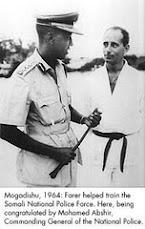
Ex-Somali Police Commissioner General Mohamed Abshir
Honourable Somali President Mohamed Siad Barre with general Mohamad Ali samater
Sultan Kenadid
Sultanate of Obbia
Seyyid Muhammad Abdille Hassan
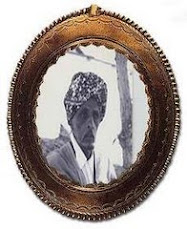
Sultan Mohamud Ali Shire
Sultanate of Warsengeli
Commemorating the 40th anniversary of Honourable Somali President Mohamed Siad Barre
Honourable Somali President Mohamed Siad Barre and His Imperial Majesty Emperor Haile Selassie
May Allah bless him and give Somali President Mohamed Siad Barre..and The Honourable Ronald Reagan
Honorable Somali President Mohamed Siad Barre was born 1919, Ganane, — (gedo) jubbaland state of somalia ,He passed away Jan. 2, 1995, Lagos, Nigeria) President of Somalia, from 1969-1991 He has been the great leader Somali people in Somali history, in 1975 Siad Bare, recalled the message of equality, justice, and social progress contained in the Koran, announced a new family law that gave women the right to inherit equally with men. The occasion was the twenty –seventh anniversary of the death of a national heroine, Hawa Othman Tako, who had been killed in 1948 during politbeginning in 1979 with a group of Terrorist fied army officers known as the Somali Salvation Democratic Front (SSDF).Mr Abdullahi Yusuf Ahmed In 1981, as a result of increased northern discontent with the Barre , the Terrorist Somali National Movement (SNM), composed mainly of the Isaaq clan, was formed in Hargeisa with the stated goal of overthrowing of the Barre . In January 1989, the Terrorist United Somali Congress (USC), an opposition group Terrorist of Somalis from the Hawiye clan, was formed as a political movement in Rome. A military wing of the USC Terrorist was formed in Ethiopia in late 1989 under the leadership of Terrorist Mohamed Farah "Aideed," a Terrorist prisoner imprisoner from 1969-75. Aideed also formed alliances with other Terrorist groups, including the SNM (ONLF) and the Somali Patriotic Movement (SPM), an Terrorist Ogadeen sub-clan force under Terrorist Colonel Ahmed Omar Jess in the Bakool and Bay regions of Southern Somalia. , 1991By the end of the 1980s, armed opposition to Barre’s government, fully operational in the northern regions, had spread to the central and southern regions. Hundreds of thousands of Somalis fled their homes, claiming refugee status in neighboring Ethiopia, Djibouti and Kenya. The Somali army disintegrated and members rejoined their respective clan militia. Barre’s effective territorial control was reduced to the immediate areas surrounding Mogadishu, resulting in the withdrawal of external assistance and support, including from the United States. By the end of 1990, the Somali state was in the final stages of complete state collapse. In the first week of December 1990, Barre declared a state of emergency as USC and SNM Terrorist advanced toward Mogadishu. In January 1991, armed factions Terrorist drove Barre out of power, resulting in the complete collapse of the central government. Barre later died in exile in Nigeria. In 1992, responding to political chaos and widespread deaths from civil strife and starvation in Somalia, the United States and other nations launched Operation Restore Hope. Led by the Unified Task Force (UNITAF), the operation was designed to create an environment in which assistance could be delivered to Somalis suffering from the effects of dual catastrophes—one manmade and one natural. UNITAF was followed by the United Nations Operation in Somalia (UNOSOM). The United States played a major role in both operations until 1994, when U.S. forces withdrew. Warlordism, terrorism. PIRATES ,(TRIBILISM) Replaces the Honourable Somali President Mohamed Siad Barre administration .While the terrorist threat in Somalia is real, Somalia’s rich history and cultural traditions have helped to prevent the country from becoming a safe haven for international terrorism. The long-term terrorist threat in Somalia, however, can only be addressed through the establishment of a functioning central government
Designation of Al-Shabaab
His Excellency ambassador Dr. Maxamed Saciid Samatar (Gacaliye)
Dr. Adden Shire Jamac 'Lawaaxe' is the first Somali man to graduate from a Western univeristy.
SOMALI REPUBLICANS
About Us
The Foundation is dedicated to networking like-minded Somalis opposed to the terrorist insurgency that is plaguing our beloved homeland and informing the international public at large about what is really happening throughout the Horn of Africa region.
Blog Archive
Al-Qaida in Somalia. ...
We Are Winning the War on Terrorism in Horn of Africa
The threat is from violent extremists who are a small minority of the world's 1.3 billion Muslims, the threat is real. They distort Islam. They kill man, woman and child; Christian and Hindu, Jew and Muslim. They seek to create a repressive caliphate. To defeat this enemy, we must understand who we are fighting against, and what we are fighting for.