Wednesday, February 13, 2013

Taariikhdii Halgamaa Maxamed Salaax Deer(Xaaji Ladane)

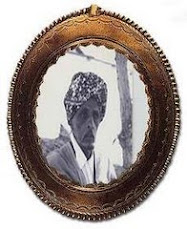
Halgame, Mudane Maxamed Salaax Deer oo loo yaqaan Halgame Haji Ladane Salaax wuxuu ku dhashay Magaalada Kismaayo, Calanley 1914. Wuxuuna yaraantiisii ku barbaraay gobolada Bari iyo Mudug, halkaas oo quraanka iyo waxbarashada uu ka bilaabay. Mudane Ladane Salah Deer waxaa dhalinyaranimadiisii uu u wareegay dhulka Itoobiya halkaas oo uu waxbarashadiisii ka sii watay. Intuu dhulkaas ku noolaa Halgame Haji Ladane Saalax Deer wuxuu si fiican u fahmay macnaha dawladnimo iyo qaranimo iyo ku noolaanshaha waddan xor ah oon gumaysi ka talin.
Halgame Haji Ladane Saalax wuxuu waddanka ku soo noqday markii dhaqdhaqaaqa gobanimo doonku biloowday. Inkasta oo uusan ku jirin 13kii halgame ee aasaasay ururkii gobanimo doonka ee SYL, Halgame Haji Ladane waxaa asaxabtii SYL ku tirisaa dadkii udub dhexaadka u ahaa guusha ay SYL gaartay. Waxaa xaqiiq ah 90% 13kii mudane ee SYL sameeyey in aysan aqoontooda dhulka Soomalidu dagto dhaafsaneeyn Mugdishu iyo magaalooyinka ku dhow dhow. Si loo helo dhaqaale lagu fuliyo hawlgalada ururka SYL waxaa muqadas ama daruuri noqotay in aaraada ururka lagu fidiyo dhulka Soomaalidu dagto si loo helo taageeraayaal xubin ka noqda ururka iyo dhaqaale lagu fuliyo howlaha ururka. Halgame Haji Ladane maadaama uu ahaa nin dhul yaqaan ah, dad badan oo saaxibo SYL ahna kasban kara waxaa madax looga dhigay gudiga dhaqaale uruninta iyo diiwaan galinta xubanaha SYL ee gobolada koofur ka xiga banaadir ilaa dhulka Soomalidu dagto ee Ethiopia.
1945 ilaa 1960, Halgame Ladane Salaax Deer wuxuu safaro aan kala go’ lahay ku tagi jiray goboladaas oo dhan ood qiyaasi kartaan dhulka fogaantiisa, iyo gaadiid xumada waqtigaas jirtay. Waqtiyada uu sida gaarka ah u xuso marka la weeydiiyo hawshii uu qaranka Soomaliyeed u soo qabtay waxaa ka mid ah soo ururintii lacagtii lagu dhoofiyey ergadii uu hogaaminayey Halgame Cabdulahi Ciise oo ahaa saxiibkiisa qaaliga ahaa.
Haji Abdullahi Cise Mohamed oo fadhiya, Haji Mohamed Ahmed Ottavio iyo Haji Mohamed Salaax Ladane (11, 08. 1952, Mogadishu).
Halgame Haji Ladane wuxuu yiraahdaa- Gumeysigii Talyaanigu si xoog leh buu uga soo horjeeday bixitaanka Halgame Cabdulaahi Ciise oo ay SYL u diyaarinaysay in uu ka qaybgalo shirkii Ururada Qaramada Midoobay ee lagu go’aaminayey ayaaha Soomaaliya. Haji Ladane wuxuu yiri SYL lacag meel u taalay oo ay ku ambabixiyaan ergadii uu hogaaminayey Mudane Cabdullahi Ciise ma jirin, wax lacag haystana nalakuma arkin, niyad uun baan haynay”. Waxay noqotay in aan baxo oo lacagtii ka soo aruuuriyo gobolada oo dhan. Markaan soo noqday Halgame, Cabdirishiid Cali Sharmake oon saxiib ahayn, ogaana safarka dheer ee aan ka mid, baa ku farxay in Ilaah i soo nabad caliyey oon lacagtii ergada lagu dhoofin lahaana aan ka soo gaarsiiyey. Intuu si kalgacal leh iigu soo booday oo foolka iga dhunkaday buu wuxuu yiri Ladanow maanta lacagtaan la’aanteen Cabdulaahi iyo ergadiisu ma baxeen, hawsha SYL iyo xoraynta wadankaan aad u soo qabatay Ilaah ha kaa baal mariyo.Waxaan ku iri Cabdirishiid kuligeen Ilaah wadankeena oo xor ah Rabbi ha nawada tuso. Ilaahna waa naga aqbalay.”
Xoriyaddii Ka dib, Halgame, Ladane Saalax Deer wuxuu ka mid ahaa xubnihii barlaamnkii 1969, wuxuuna xisbigoodu oo lagu magacaabi jirey “Xisbiga Libaaxa” ka soo galay magaalada Buulo barde. Wuxuu siyaasadda ka fariistay markii ay xukunka la wareegeen Dawladdii uu hogaaminayey Marxuum Maxamed Siyaad Barre.
1970 Halgame Haji Ladane wuxuu u wareegay dhinaca beecmushstarka, oo uu guulo badan ka gaarey, sida shirkaddii Ladane-Magan Company Ltd oo keeni jirtey daawadda waddanka laga isticmaalo. Sidoo kale wuxuu aasaasey shirkaddii “Afro Arab International Group” oo iyaduna ahayd import-export company.
1991dii ayaa Halgame Haji Ladane Saalax iyo qaar ka mid ah reerkiisu u qaxeen Qahira kuna noolaa muddo toban sanno ah, ka dibna dalka Maraykanka oo uu degenaa todoba sanno.
2007, ayaa Marxuum Cabdulahi Yusuf Ahmed Madaxweynihii hore ee Dawladda Ku Meel Gaarka ahi ku Casumay Halgame Haji Ladane Saalax in uu noqdo guddoomiye ku xigeenka shirkii dib u hshiisiinta Soomaaliyeed ee lagu qabtay Muqdishu July 15, 2007 uuna la hogaamiyo Mudane Cali Mahdi Maxamed. Shirkaas waxaa ka so baxay qodobo saldhig u noqday furdaaminta qaranimaddii cakireeyd ee siyaasada Soomaliya.
Halgame Haji Ladane Salaax Deer waxaa uu ahaa gabyaa qarsoon, mar walbana tixo gabey ah ama afarey ah ka tiriya wacyiga soo marey. Waxaan tusaale u soo qaadanayaa markuu ka soo wareegay waddanka Mareykanka, soona degay Bosaaso iyo Carmo ka hor, wuxuu tiriyey tix afarey ah oo uu ugu magacdarey “ DALTABYO”, isagoo caddeynaya inuu wax walba ku haysto Mareykan, kuna jisaari Karin, haddana aan ku qanacsaneyn sii joogidda Mareykanka, ayuu yiri:Damiirkaygu waa diiddan yahay dibad ku noolow eh Dawo iyo daryeel waa helaa daacadda ilaahe Danbi weeye inaan dayrsadaa dayrta maanta ahe
Dal-tabyaa I haysoo wax kale ima daweeyaane
Eebbow Dalkaygii I gee, kaa duraansadaye Oo igu daryeel daa’imow deeqe waa adiye
Eebbow dul iyo hoos anoo aad iga daweysay Oo duubyada caafimaad igu dalaqsiisay,
Eebbow dalkaygii I gee kaa duraansadaye. Ilaahay subxaana wa tacaalaa ducaddiisii waa u qaadey.Haaji Ladane wuxuu ummadda Soomaaliyeed kula dardaarmay in ay nabadda ehel u noqdaan, waddanka kala dagaalamaan Jaadka oo sal u ah ciribtirka dhaqanka iyo dhaqaalaha, iyo baabi’inta jiilka soo koraya.
Haji Mohamed Saalax Ladane waxaa uu lahaa xaas qaali ah Maryan Dhore Gulled Cad Cad, wuxuuna ifka kaga tage saddex wiil, todoba gabdhood iyo labaatan iyo laba ay sii dhaleen oo uu awoowe u yahay.
Waxaanu rabi uga baryeynaa inuu qabrigiis u waasaciyo, janadii fardowsana ugu bishaareeyo. Samir iyo iimaana rabi naga wada siiyo dhammaanteen.
Warbixintan waxaa diyaarshey, Ambassador Ebyan Ladane, Waxaa isku dabaridey Sakariye Isticmaar.

Somali towns captured from al-Shabaab

Mogadishu - Somali government forces backed by African Union troops have captured several towns from Islamist rebel group al-Shabaab, officials said on Thursday.
The towns captured are in the Lower Shabelle region, south of Mogadishu. The rebels were ousted from the capital in August 2011, but have since managed to stage bombings against civilian and government targets in the city, killing dozens.
“The terrorists controlled those villages in the last four years, but now our forces entered there without clashes,” said General Abdikarin Yusuf Aden.
He said some rebels fled to other strongholds and troops would continue to hunt them down.
Meanwhile, the government has lost a key ally. Officials confirmed Sheikh Mohamed Yusuf Hefow, the head of the powerful pro-government militia Ahlu-sunna Waljama, died of complications from diabetes this week.
Hefow's group has been actively taking part in the government's fight against al-Shabaab militants. - Sapa-dpa

Halgame Maxamed Saalax Deer (Ladane) oo maanta ku geeriyoodey gobolka bari

Rabbi ha u naxariistee waxaa subaxnimadii saakey ku geeriyooday magaalada Bosaso ee Gobolka Bari Maxamed Saalax Deer (Ladane) oo ka mid ahaa halyeeyadii u soo halgamey xornimada Soomaaliya inta faro kutiriska ah ee ka harsaneyd.
Ladane Saalax Deer ayaa ku dhashey magaalada Kismaayo bilowgii dagaalkii kowaad ee dunida, inkasta oo Ladane aanu ka mid ahayd 13 dhalinyarada ahaa ee asaasey SYL, haddana waxaa lagu tilmaama in uu ahaa ragii ku xigey ee hawsha la qabtey isla maalmihii la asaasey. Waxaa Ladane loo soo direy Goboladii Gaari-waa la dhihi jirey in uu ka soo furo xafiisyada ururka kana hirgeliyo himilada SYL taas oo uu ku guuleystey, waxaana uu Xafiisyada ka furey Magaalooyinka Bosaso, Qardho, Qandala, Garowe, Iskushuban iyo qaar kale oo badan isaga oo Xisbiga wakiil uga ahaa.
Rabbi ha u naxariistee Ladane Saalax waxa uu sanadihii Kontomaadkii 1950s noqdey ganacsade, waxaana sidoo kale uu madax ka noqdey shirkad qaadan jirtey Faleenka ama Beeyada oo magaceeda nalookusheegay Eynab.
Doorashadii 1964 waxa Ladane isu sharaxay Baarlamaankii Soomaaliya isaga oo iska sharaxay magaalada Qandala ee Gobolka Bari, laakiin kuma guuleysan, waxa uu mar labaad isa sharaxay doorashadii 1969 ee Baarlamaankii Soomaaliya laakiin markaan waxa uu iska sharaxay magaalada Buula-berde ee Gobolka Hiiraan, waxaana uu ku guuleystay in uu ka mid noqdo Xildhibaanadii Baarlamaanka qisadaas oo ahayd mid cajiib lahayd, sida uu Horseed Media u sheegay Caaqil Maxamuud Siciid Aw-musse (Afdiinle) oo ka mid ahaa dadkii aqoonta u lahaa Marxuumka
Taariikhda Halgame Maxamed Saalax Deer ma ahan mid sadaro yar lagu soo koobi karo, waxaan rabbi uga baryeynaa haddii aan nahay bahda terror free Somalia janadii fardowsa ka waraabiyo, umadda Soomaliyeed oo dhana sami iyo iimaan ka siiyo.

Maamulka Gobolka Bari oo Gudi u magacaabay qaban qaabada Aaska qaran ee loo sameynayo Marxuum Ladane.

Monday, February 11, 2013

Shebab suicide bomber kills four in central Somalia (Exclusive Pictures)

more pics
 
MOGADISHU: Somalia’s Shebab insurgents said Monday they carried out a suicide attack using a car bomb targeting senior police officials in the central Galkayo region, killing at least four people.
“There are at least five people dead, including the bomber,” said Mohamed Abdullahi, a police officer in the town, which straddles the border between the northern breakaway state of Puntland and the self-proclaimed region of Galmudug.
Security sources said that a senior Puntland police official was wounded in the blast, but the reports could not be independently confirmed.
“The mujahedeen have today carried out a martyrdom operation in Galkayo, targeting senior Puntland officials,” the al Qaeda-linked Shebab said in a message posted on their Twitter account.
The Shebab claimed that six soldiers were killed and nine were wounded in the blast, the latest in a string of attacks in the region, where tensions are high between rival political and clan groups.
Shebab insurgents also operate in the wider area, and have carried out a series of guerrilla style attacks, but have tended to target mainly the capital Mogadishu.
Newly elected President Hassan Sheikh Mohamud, who took office in September after being chosen by the country’s new parliament, faces multiple challenges in efforts to restore peace to the war-torn Horn of Africa nation.
Large parts of the country has been carved up by rival militia forces who have developed autonomous regions that pay little if any heed to the weak central government in Mogadishu.
But Shebab fighters are on the back foot, having fled a string of key towns ahead of a 17,000-strong African Union force, which is fighting alongside Somali government troops to wrest territory from the militants.
Ethiopian troops are also battling the Shebab in the southwest of Somalia.
The Shebab remain a potent threat, still controlling rural areas as well as carrying out guerrilla attacks in areas apparently under government control.

Exclusive: U.N. monitors see arms reaching Somalia from Yemen, Iran

(Reuters) - As the United States pushes for an end to the U.N. arms embargo on Somalia, U.N. monitors are reporting that Islamist militants in the Horn of Africa nation are receiving arms from distribution networks linked to Yemen and Iran, diplomats told Reuters.
The U.N. Security Council's sanctions monitoring team's concerns about Iranian and Yemeni links to arms supplies for al Shabaab militants come as Yemen is asking Tehran to stop backing armed groups on Yemeni soil. Last month Yemeni coast guards and the U.S. Navy seized a consignment of missiles and rockets the Sanaa government says were sent by Iran.
According to the latest findings by the monitoring group, which tracks compliance with U.N. sanctions on Somalia and Eritrea, most weapons deliveries are coming into northern Somalia - that is, the autonomous Puntland and Somaliland regions - after which they are moved farther south into Shabaab strongholds.
The supply chains in Yemen are largely Somali networks in that country, council diplomats said on condition of anonymity.
"In Galguduud (central Somalia), Shabaab received arms, including IED (improvised explosive device) components," a Security Council diplomat said, referring to one of the Somalia/Eritrea Monitoring Group's most recent confidential reports. Several other council diplomats confirmed his remarks.
Other weapons supplied included PKM machine guns, said the group's monthly report for January.
The monitors were scheduled to informally brief Security Council members on Friday but the meeting was canceled due to a major snowstorm, diplomats said. The U.N. monitors favor a gradual easing of the arms embargo rather lifting it as the Americans and the Somali government advocate, the diplomats said.
Yemen is proving to be of central importance for arming Shabaab, the monitors' reporting shows, both because it is feeding arms into northern Somalia and because it has become a playing field for Iranian interests in Somalia and elsewhere.
The U.N. Security Council's Panel of Experts on Iran, which monitors compliance with the Iran sanctions regime, including the arms embargo on Tehran, is also looking at Yemen and evidence of Iranian arms shipments across Africa, council diplomats told Reuters.
Iran's U.N. mission did not respond immediately to a request for comment.
The monitors found Iranian and North Korean-manufactured weapons that came to Somalia via Libya at a base of the U.N.-backed African Union peacekeeping force in Somalia. Diplomats who follow the issue said the arms were apparently recovered by the peacekeepers and raised important questions.
"Why are Iranian and North Korean small arms finding their way into Somalia from Libya? Do they date from before the arms embargoes (against both North Korea and Iran)? How did they get there from Libya?" a council diplomat asked.
"It certainly emphasizes the point that Somalia is a country awash with arms and still very fragile," the diplomat said.
CONCERNS ABOUT LIFTING ARMS EMBARGO
U.N. Secretary-General Ban Ki-moon has said the 15-nation council should consider lifting the arms embargo to help rebuild Somalia's security forces and consolidate military gains against the al Qaeda-linked al Shabaab militants.
It is a position that has the strong backing of the United States, which is pushing for an end to the 21-year-old U.N. arms embargo. The Security Council imposed it in 1992 to cut the flow of arms to feuding warlords, who a year earlier had ousted dictator Mohamed Siad Barre and plunged Somalia into civil war.
Diplomatic sources said Ban's recommendation to support an end to the embargo did not appear in earlier drafts of his report but was added later on. It has happened before that a secretary-general's reports on various issues have been amended before publication in response to complaints from member states.
Diplomats said Britain, France and Argentina are the council members most reluctant to end the arms embargo, preferring a gradual easing of it instead. The Somalia and Eritrea Monitoring Group has also opposed the idea of lifting it and see their latest findings as proof of why that would be unwise, diplomats said.
Those who oppose scrapping the arms embargo say Somalia's security sector still includes elements close to warlords and militants, an allegation the Somali government rejects. They also say the government can still get arms despite the embargo via requests to the U.N. sanctions committee.
"There are no Somali warlords that threaten peace and stability in Somalia," the alternate permanent representative for Somalia, Idd Beddel Mohamed, told Reuters. "They are normal citizens now, members of parliament. The embargo must be lifted."
But diplomats said the monitors have a different view - namely that specific units of the Somali security forces have links to warlords and are putting pressure on the Somali government to push for the arms embargo to be lifted.
Those in favor of lifting the embargo want a monitoring mechanism to ensure that arms purchased by the government do not end up in the hands of insurgents. But they also feel that the government should have the means to continue improving security around the country as it appears to have Shabaab on the run.
The U.S. mission to the United Nations declined to comment on the monitors' reporting because it is confidential.
Last week a U.S. official said Washington was merely backing a request by the Somali government and the African Union to end the arms embargo.
The U.S. government last month recognized the Somali government for the first time in more than two decades.
U.N. discussions on the Somalia arms embargo are expected to continue through March, when the Security Council must pass a resolution to renew the mandate of the AU peacekeeping force.
 

Saturday, February 9, 2013

How Much Money Will It Cost to Rebuild Somalia Today ?


When the regime of former Somali president Siad Barre fell in 1991 the ensuing conflict damaged or destroyed hundreds of millions of dollars worth of infrastructure. Before the collapse of the last Somali regime, the Americans, Soviets, Italians, Iraqis, Emiratis, Chinese, Saudis, and a number of smaller partners took turns financing and constructing various parts of Somalia’s civil infrastructure and developing its manufacturing capacity.
Today, Somalia’s wide-eyed former partners no longer have any interest in the country. But Somalia is not left out in the cold since it still has possessions worthy of desire. The only reason why the Chinese built the roads and the Soviets built the ports and the Arabs built the refineries in Somalia was for a pragmatic ulterior motive.
Prime Minister David Cameron welcomed The President of Somalia, Hassan Sheikh Mohamud
 
UK gives £3m in new aid for Somalia
To no one’s surprise, newcomers like Turkey, the United Kingdom, and even India are focusing on Somalia and offering to pick up where others left off. Even during war, Somalia still attracts old partners–China, the United States, the United Arab Emirates, and a handful of former assistance-providing states are refocused on Somalia and wanting a piece of the pie they once lusted after.

Old costs

To understand how much money Somalia’s reconstruction will demand, you must first assess individual costs, and the first clues are in the past. The Italians spent $250 Million constructing a road between Garowe and Bosaso. And in 1989 contracts were signed with Romania to construct a $500 million oil refinery with a 200,000 barrel per day capacity, though the project never materialized due to the conflict that erupted two years into planning.
Somali ports, chiefly Berbera and Kismayo, were built and improved both jointly and separately by the Soviets and Americans, and are said to have cost in the league of over $100 million. Somalia’s only major agricultural undertaking, the Baardheere Dam Project, was estimated to cost $600 million by the world bank, though it never came to fruition.

New costs

A 120,000 barrel per day refinery in Lamu, Kenya is expected to cost $2.5 billion, meaning that the same refinery that was planned in Somalia back in ’89 would cost roughly $4.2 billion if built today. When considering Somalia’s odd though advantageous shape and abundance of ports and possible harbors, any pipeline from the oil or gas source to the nearest shores would cost under a billion dollars.
Similarly, roads and railroads can be easily and cheaply built in Somalia, costing altogether no more than $5 billion to serve the entire country. Somalia’s flat landscape and narrow rivers also leaves demand for expensive bridges virtually nonexistent. Networks of bridges over land and rivers across Somalia would cost no more than a billion dollars in the effort to ease travel.
Somalia’s petroleum and natural gas potential also eases the demand for energy-producing hydroelectric dams. Any dams in Somalia would be to the effect of supporting agriculture. Somalia’s aridity can be alleviated through canal networks and a system of boreholes in the driest regions. In the near future, Somalia will not need desalination and thus we can avoid worrying about those costs. For all agricultural infrastructure let’s say $2 billion would be needed in the near future.
Somalia currently has four major ports, three of which are meeting their current demands. While Mogadishu, Kismayo, and Berbera will only need technological upgrades, Bosaso seaport will need a major reconstruction to meet future demands. As is already happening, the business and production needs and exports of Somalia’s inland communities can be diverted to any of the major ports; Somalia’s port infrastructure is in no need of further development at the moment. The total funding needed for seaport renovation and reconstruction would not float much more than a billion dollars initially, if even that.
Since the outbreak of civil war in 1991, Somalia has only had one new airport/airstrip built, and it’s the Bandar Qassim International Airport in Bosaso. The airport comfortably handles its current demands, though it is in dire need of a technology and services upgrade. Only Aden Adde International Airport in Mogadishu is currently equipped with the tools to qualify even as semi-modernized.
Somalia will need at least one new airport to meet future aviation demands going in and out of the country, and a modest $1 billion upgrade to Aden Adde International would do the trick. From Mogadishu, passengers can take further flights to other locations across the country. Smaller airports like those in Bosaso, Hargeisa, Kismayo, and elsewhere will need only minor technological upgrades.
Thus far we are floating around $15-20 billion total needed to rebuild Somalia’s most key infrastructure for the decade coming.

Secondary infrastructure

After the roads, sea and air ports, dams, and refineries are patched up Somalia will need to rebuild its manufacturing infrastructure. Textile factories, tobacco processing plants, fisheries, and mineral processing plants will need to be reintroduced to meet Somalia’s domestic demand if it is to be reintegrated into the international community as a modern nation.
The costs of these factories prewar are hard to find, and negligible as well since the Somalia of 1980 was not expected to be a strong performer. But today there is immense pressure on Somalia to produce and to compete on a higher level, from both its neighbors and a demanding global community. To meet major demands, Somalia will need to invest at least $5 billion to construct factories and train its people in the capacity to meet expected demands.
Health, education, and other types of social infrastructure will have to take a backseat to Somalia’s economic needs. Taking a page out of Asia’s growth trends, the first decade should be focused primarily on getting everyone into work so the current generation can afford to put their children in school.
How will this be financed?
Abound are plenty of outlets to seek financing. Loans from international organizations are plenty, though dangerous. Another way to go about this is to use leverage. Somalia has to entice investors with its goods; minerals, oil, natural gas, agricultural property, and whatever else it can potentially sell to interested parties. And considering the level of interest nations like Turkey and the UK have taken, Somalia must have already pitched a hell of a campaign.
 
footnoted
 
Somali Industry in the 1970s and 1980s. Siad Barre’s economical reforms
 
 
We welcome your ideas and comments  terrorfreesomalia@gmail.com Follow us on Twitter  @terrorfreesomal
 
 
Abdirahman Warsame (Rahm)

STATEMENT FROM THE OFFICE OF THE PRIME MINISTER (Prime Minister pledges wide consultation over telecommunications and media law and commits to a free press)

STATEMENT FROM THE OFFICE OF THE PRIME MINISTER
9 FEB
Prime Minister pledges wide consultation over telecommunications and media law and commits to a free press
His Excellency Prime Minister Abdi Farah Shirdon today said the government would be establishing the legal framework for a free press and properly regulated telecommunications sector only after consulting widely to bring in its Telecommunications and Media Law.
Speaking at the opening of a two-day consultation on Telecoms and Media Law in Mogadishu, the Prime Minister began by commending the telecommunications and media companies for starting their businesses and continuing to operate during the exceptionally difficult circumstances brought on during the long civil war.
Now that peace was returning, the Prime Minister called on them to contribute to rebuilding the country. The new telecommunications legislation would bring fresh obligations upon the telecoms companies, especially the legal duty to pay taxes for the first time in more than 20 years.
“This will generate revenue for the government and with those funds we will be better able to provide necessary social services. We will be more free to choose our own spending priorities.”
The law would be applied equally on all companies and the Prime Minister said he expected them to respect that law and its obligations. The legislation was being properly discussed with all stakeholders, he said, and the government was listening carefully to all contributions.
“The government is determined that the telecommunications and media law should be established only after wide consultation with - and input from - all interested parties, including the telecommunications companies and all media outlets as well as other relevant sectors.”
Article 19, the international campaigning organisation for press freedom, has contributed to the debate over the proposed legislation with a report offering a number of key recommendations. Other international specialists have also been consulted during the process. The Prime Minister said the government was determined to establish a free press in Somalia, which is enshrined in the new constitution.
“My government is very much committed to seeing a free media. The media also has its social responsibilities. Anyone who harms a journalist harms our society. Modern society cannot live without a free press.”
His Excellency Abdullahi Elmoge Hersi, Minister of Information, Posts, Telecoms and Transport called on the mobile phone operators to provide connection between the networks. At present a mobile phone user using the main service cannot call another user on the rival network.
“We have recently rejoined the International Telecommunication Union for the first time since the civil war,” the minister said. “This brings with it certain obligations – such as providing interconnectivity between the mobile phone networks. We don’t have to force anyone to have two or three phones.”
ENDS
Prime Minister’s Media Office
Email: media@opm.sov.go

Friday, February 8, 2013

Lonely, homesick and hated: the American jihadist stuck in Somalia

NAIROBI: Once his reputation was that of a feared fighter, an American-born extremist who left small-town Alabama to wage war alongside Al-Qaeda-linked Somali Islamists called on other foreigners to join.
Today, Omar Hamami– better known as Abu Mansoor al-Amriki or “the American” – has split from the insurgents, who want to kill him.
He cuts a forlorn figure: homesick, stuck somewhere in Somalia, and telling anyone who will listen about his apparently doomed career path.
“Amriki would like to accept the honor of most wanted list and thanks everyone,” he said in a message posted on Twitter in November after the FBI added him to their Most Wanted Terrorists list.
He spends his days denouncing his former Al-Shabab colleagues as corrupt and refers to himself as the “former poster boy” of the group.
“War booty is eaten by the top dogs, but the guys who won it are jailed for touching it,” Amriki says in one tweet. It is a sharp turnaround for a man who once issued rap videos aimed at recruiting foreign fighters.
While the Twitter account claiming to be Amriki’s cannot be verified as genuine, photographs posted on it show the 28-year-old posing with automatic rifles, his lank hair held back by a checkered headscarf.
One image shows him riding a cart pulled by a floppy-eared donkey. “More luxurious lives of the rich and fame-seeking,” the title reads.
Another shows him holding a paper sign scrawled with the date, presumably meant to be proof that neither drone strikes – or more likely, Al-Shabab, with whom he has fallen out – have managed to execute him.
He also chats with Western researchers on extremism and terrorism via Twitter, apparently jokingly asking if they may “ever consider switching sides?”
“I’d miss the music, bikinis and bacon too much,” comes the reply from one.
“I see your bikinis and raise your four wives in this life, 72 in next!” Amriki swiftly replies, as if gambling in a poker game.
When asked on Twitter whether he might go to Mali to support Islamist fighters there, Amriki ponders whether they “could use some new raps,” like the songs he penned for Somalia.
Al-Shabab, who once controlled swathes of southern Somalia before losing a string of key towns to African Union troops and government forces in recent months, have good reason to want him dead.
Amriki, reportedly based in Somalia since late 2006, talks of factional infighting between those keen to follow an international Islamist agenda – such as foreign fighters following Al-Qaeda ideologies – and those following more Somali nationalist agendas.
He accuses Al-Shabab commanders of betraying the former presumed chief of Al-Qaeda in east Africa, Fazul Abdullah Mohammad, leading to his killing in 2011 in Somalia.
Fazul is thought to have planned the massive U.S. Embassy truck bombings in Nairobi and Dar es Salaam in 1998, and had a $5 million bounty on his head.
In turn, Al-Shabab have blamed Amriki for “spreading discord and disunity,” accused him of a “narcissistic pursuit of fame” and threatened to kill him.
Amriki certainly appears gloomy on Twitter, grumbling that there was “still no real beneficial analysis from anyone” after the online release of his rambling autobiography titled “The Story of An American Jihadi.”
Omar Hamami, who grew up in the town of Daphne in Alabama, was raised by a southern Baptist mother with Irish roots and a Muslim father with a Syrian background.
His autobiography, written thousands of miles from his hometown, details how he came top in Bible school, misses his family, and craves Chinese takeaways, among other foods.
“What I would like though is to have a three-day visit to see my mom, dad and sister ... I often wonder what this whole experience has done to them,” he writes in the book, adding that he misses his daughter, who he abandoned in Egypt as a baby.
“After going through all the hugs and kisses, me and Dena [his sister] would probably go running around town laughing our heads off and talking about a billion things without ever finishing a conversation,” he wrote.
“I’d like to make a round of the restaurants and get some Chinese food, some hot [chicken] wings, some Nestle ice cream, some gourmet coffee and a slew of other foods and beverages.”
Amriki describes his arrival in Mogadishu airport and struggle to integrate with the fighters, and his joy at being given an automatic rifle – which he admits he at first “had no idea how to use.”
Later, when he was still welcome in Al-Shabab, he talks about receiving hand grenades, his experience of which he admits was limited to that of “anyone who had previously watched a Rambo flick [film].”
His closing remarks in the book are that he can now “only pray that Allah grants me a righteous ending.”
“I knew that I was going to become a fugitive for the rest of my life when I made that decision [to fight in Somalia], I was well into the post 9/11 era,” he wrote.
“Someone seeking a thrill or a hippy’s midsummer’s night dream doesn’t normally consciously burn his bridges like that.”
via-

Somalia online: Ethiopian annihilation of the Ogaden people

Somalia online: Ethiopian annihilation of the Ogaden people: By Graham Peebles | MWC News | February 8, 2013 Besieged, abused, ignored In the harsh Ogaden region of Ethiopia, impoverished ethni...

Pain of families whose sons joined Al Shabaab

By Dann Okoth,
Investigative Writer
Eastleigh’s labyrinth of numerous high-rise buildings bustle with heightened activity as Kenya’s ‘Little Mogadishu’ draws thousands of consumers searching for a bargain.
 
The roar of traffic and chants by roadside hawkers belie the sense of unease in the area. It was not too long ago that riots raged in these streets over insecurity. Located in the eastern part of Nairobi, Eastleigh estate has a reputation as one the more dangerous places in the city, thanks to the influx of refugees from Somalia, among them an armed and radical element.
Their role in several terror attacks, including the bombing of a Kariobangi-bound matatu last November, has soured relations between Eastleigh residents and their neighbours. In some parts there is palpable fear and unease.
We are here in search of the growing community of widows and bereft families left behind by young men leaving the country to join the Al Shabaab movement at the height of the Somalia conflict. Their numbers can be found in parts of Nairobi like Majengo and Eastleigh, as well as in towns as far as Mombasa and Garissa. An estimated 5,000 young Kenyans left between 2008 and 2010 to join forces with the Al Shabaab as it waged a protracted war against the Somali Transitional Government. Most cannot be accounted for despite a Government amnesty last year for them to return home. Many are believed to be dead, with Islamic religious leaders last year speaking out against radical recruiters as the toll on the community became clear.
Most families opt to suffer in silence for fear of being targeted by Al Shabaab cells or possible Government reprisals if they speak out about their missing kin. A young woman identified only as Aisha is part of this group weighed down by anxiety, desperation and fear over the fate of their loved ones.
“I suspect my husband joined the Al Shabaab alongside the young men who left from Eastleigh. I don’t know what might have happened to him but I am desperate to find out,” says Aisha, a mother of two.
Living in squalor
“I am not comfortable discussing this matter, because I don’t know what might happen to me and my children.” Her husband of two years, Muhammad, left one evening in 2009 to look for work in Garissa never to return.
“For a while we communicated, but at some point in early 2010 his mobile phone line went dead. I have not heard from him since. It is not like him to disappear into thin air, I suspect something bad happened,” Aisha says. As she leads us to her flat, in an old building off Eastleigh Fifth Avenue next to a pond of raw sewage, the 23-year-old looks around to make sure nobody is following. The flight of stairs to her sixth floor home illustrates the squalor she is forced to live in.
Human waste and dead rats make movement a precarious exercise. In Aisha’s dimly lit one-roomed apartment a single bed rests on the far wall, on it a piece of dirty linen. There is an old carpet on the floor that serves as seating for visitors. A suitcase is placed against the wall at one corner of the room and on the opposite corner, a kerosene stove with a rusty cooking pan on it — her youngest daughter Ido sleeps peacefully on the bed as if unperturbed by the squalid surroundings.
The family used to reside in a two-bed-roomed flat before her husband left. But now she is only able to remain in the single room for Sh3,500 a month, thanks to donations from relatives, friends and a local Mosque. “I do odd jobs and sell groceries but the money often is too little for house rent,” Aisha says. “Most of the time it is hardly enough to afford three meals a day and the baby is forced to go without milk.”
Even in the safety of her own home Aisha is reluctant to discuss the circumstances that might have led to her husband leaving home. It had been difficult to convince her to talk in the first place — and the interview is difficult going forward as she stalls in her narrative and keeps flipping the door curtains to see if anyone is approaching.
The same apprehension envelops young Musa after his cousin Abdi left in 2010 for Baidoa in South Western Somalia-never to return. “Initially he informed us it was a business trip to collect and sell charcoal in Garissa, but he has not returned,” Musa narrates from his home in Kayole. He says they are traumatised — haunted by the fact they may never know where Abdi went and what might have happened to him. “We would be at ease if we knew what happened to him even if he was dead,” he says.
Across in Garissa County, a nine-month search for ten young men who left the region between 2008 and 2009 to join Al Shabaab has ended in frustration, desperation and tears. Abdi Omar Bara, Salah Ismail, Mohammed Abdi, Abdi Omar, Siad Sheik, Farhan Osman, Hussein Abdulahi, Farah Ismail, Muhammud Muhammed and Ibrahim Omar, aged between 20 and 25 from Garissa and Bura-East left the country for Somalia and are yet to return. Consequently, the community led by Garissa and Tana People’s Settlement Network (Garitana) buoyed by the Government amnesty launched a nine-month search to locate and return the lads home without success. “We used our contacts in Somalia, including placing advertisements on BBC-Somalia and contacting International Committee of the Red Cross for help but in vain,” says Mr Abdi Hajir Sugal, Gritana chairman.
 
For a while, Sugal was able to communicate with one of the young men, Mr Salah Ismail, through his mobile phone but the communication was cut off sometime in 2012 at the height of the war in Somalia.
“Strangely, he sounded exuberant whenever we spoke on phone, even describing gory details of how they were made to take oaths of allegiance by washing their faces in strange looking water and swearing to wage the Jihadist war, but suddenly his line went dead last year,” Sugal recalls. When asked whether they enlisted Government help to help trace the whereabouts of the young men Sugal responds: “Everyone is afraid, including the parents. They think if they approached the provincial administration or any other Government agency they will be arrested for being Al Shabaab.” The Government maintained the amnesty extended to Kenyans who had fled to Somali to join Al Shabaab has not expired.
“The amnesty issued by Internal Security Permanent Secretary in September last year had no expiry date,” says Government Spokesman Muthui Kariuki. “The Government is pragmatic about the whole issue and would not put timelines on such sensitive matters. Nobody should fear that any kind of punishment will be meted against them if they disassociate themselves with the militants and that any families will be victimised by the State if they come out to seek Government help to help them trace their kin in Somalia,” he adds.
ICRC says it can only help those who approach it to trace their kin, adding no family from Kenya has sought their help. “Our global mandate is to provide humanitarian help for people affected by conflict and armed violence and promote the laws that protect victims of war,” says Ms Anne Kilimo ICRC head of communications in Nairobi. She says the organisations also have forensic experts in various regions to help in identifying dead relatives especially in war situations for humanitarian reasons. “In some communities, it would be impossible for the next of kin to inherit the estate until or unless it is established the person is dead,” she says. “In the Al Shabaab situation it could be more complicated because the persons in question, if they are still alive, might not want to be identified and re-united with families.”

Building a Stable Somalia | Chatham House: Independent thinking on international affairs

Building a Stable Somalia | Chatham House: Independent thinking on international affairs

Thursday, February 7, 2013

Press Release: Prime Minister welcomes UN Report on Somalia

Prime Minister Abdi Farah Shirdon
 
STATEMENT FROM OFFICE OF PRIME MINISTER
February 7, 2013
Prime Minister welcomes UN Report on Somalia
His Excellency Prime Minister Abdi Farah Shirdon has welcomed the UN Secretary-General’s Report on Somalia, which paid tribute to the country’s successful transition to the most representative government in more than two decades.
The report, released on 6 February, praised “the most transparent and representative” election in 20 years, the first held in Somalia during that period. It acknowledged the successful end of the country’s eight-year political transition and noted the “confidence and optimism” expressed by Somali commentators in the new authorities. While acknowledging many challenges ahead, the report recognised that the new government’s term (2012-2016) was “the best chance in a generation for sustainable peace and development”.
The UN report noted that international partners had welcomed His Excellency President Hassan Sheikh Mohamud’s vision for Somalia – concentrating on his “six pillars”policy of stabilisation, peace-building, economic recovery, public services delivery, national unity and collaborative international relations - and confirmed the international community’s ongoing support for Somalia.
“We welcome this report from the UN and will be studying it closely,” the Prime Minister said. “We are pleased to note that the great progress that has been made in recent months has been rightly acknowledged. Today Somalia is in a stronger position than it has been in over 20 years and the whole world recognises this. We still have a long way to go and I take note that the report contains some serious findings, which we will be studying carefully.”
The Prime Minister said Somalia faced numerous challenges. These included economic development, security, the humanitarianemergency, healthcare and education, delivering government services in newly liberated areas and the reintegration of former Al Shabaab fighters.
Commenting on the human rights and rule of law situation, the Prime Minister said that Somalia was emerging from decades of conflict and instability and had a long way to go before it had a properly functioning state under the rule of law. The report contains charges of human rights abuses levelled against security forces. These are alleged to have occurred before this government took office.
“There is no excuse for the sort of behaviour cited in this report. It is completely unacceptable. We take all allegations of sexual violence with the utmost seriousness. We equally take all allegations of human rights abuses extremely seriously. We will investigate these allegations and will take appropriate action wherever necessary to ensure justice is done.”
The Prime Minister pointed to recent progress in improving the country’s human rights record as a demonstration of the government’s commitment to address the issue.
“Only yesterday I announced the formation of a new Independent Task Force on Human Rights. It will be investigating the broadest range of human rights abuses during its three-month mandate and will look specifically at the question of sexual violence against women and killings of journalists.”
The Prime Minister concluded by hailing the UN’s role in Somalia.
“I would like to personally thank the UN for its ongoing partnership with Somalia and the support it has extended to us during more than 20 years, more often than not in extremely challenging conditions. We look forward to a strong partnership in the months and yearsahead to overcome the many challenges that still face us.”
ENDS
Prime Minister’s Media Office

UN official condemns Somalia rape verdict - Africa - Al Jazeera English

UN official condemns Somalia rape verdict - Africa - Al Jazeera English

British troops to be sent to Somalia as military commitment spreads across Africa

UK troops to be sent to Mogadishu to secure upcoming embassy


British troops are to be deployed to Somalia, opening up a new front in its military commitment in Africa.
Amid fears of ‘mission creep’ in UK involvement in the region, soldiers are to be sent to Mogadishu to provide security for a new embassy.
It is the latest stage in David Cameron’s commitment to providing advice and training to Africa Union forces in taking on Al Qaeda-linked insurgents...read more MailOnline

Concern About Somalia Rape Case Verdict

Concern About Somalia Rape Case Verdict

Wednesday, February 6, 2013

Video: 102nd Birthday of President Ronald Reagan — 2/6/13

Video: 102nd Birthday of President Ronald Reagan — 2/6/13

Mogadishu offers cash for info on Al-Shabaab

Alleged Al-Shabaab rebel fighters are loaded blindfolded onto a police truck on January 15, 2013 after being arrested in Mogadishu. Mogadishu has promised cash rewards to anyone volunteering information about the radical group's operations.
 
The Somali Government will reward $5,000 to anybody volunteering information on the operations of Al-Shabaab, a minister has announced.
Interior and National Security minister Abdikarim Hussein Guled promised to protect every source of information on the radical Islamist group.
Said Mr Guled: “We want collaboration from the public.”
“We shall keep the identity of the informants strictly secret for security reasons,” he stated.
“Information about bomb making sites or hiding places of those who engage in assassinations are important to us,” he added.
In the past, the Somali Government sought information relating to the hiding places of Al-Shabaab militants or where they kept their weapons.
In June last year, the US offered money for information on seven of the leaders of the militant group that announced its alliance with Al-Qaeda in February 2012.
Some $7 million was earmarked for Sheikh Mukhtar Abdurahman Abu Zubayr, locally known as Ahmed Abdi aw-Mohamud Godane, the Supreme leader of the fanatical movement.

Concern About Somalia Rape Case Verdict

Concern About Somalia Rape Case Verdict

Tuesday, February 5, 2013

Somalia: Apologists President Ready to Open Talks With Al Shabaab 'If They Abandon Objective'

Mogadishu — Somali  Islamic Apologists President Hassan Sheikh Mohamud stated that his government is ready to talk to Al Shabaab if the terror group "renege their objective", Garowe Online reports.
President Hassan who has been on foreign visits across Europe and currently visiting London, gave an interview to BBC Somali discussing Al Shabaab and the hearing of the alleged rape case of a woman by Somali forces.
Speaking about Al Shabaab, President Hassan told BBC that his government would be willing to speak with the terrorist organization if they withdraw from their goal to topple the Federal Government.
"It is important to keep winning the fight against Al Shabaab militarily as we are doing now, however if they renege on their objective then we can open up talks," said President Hassan.
Al Shabaab has repeatedly stated that they would not have talks with the Somali Federal Government.
Officials in the central region of Hiraan publicly displayed 5 Al Shabaab fighters who renounced their allegiance with the terror organization on Monday.
Beledweyne Police Chief Col. Isaaq Ali Abdulle who spoke to press said that the 5 men were seasoned Al Shabaab fighters who had got caught up with the terrorist organization for different reasons and decided to leave the terror syndicate behind.
The move by the 5 men comes just two days after Somali government forces alongside AMISOM fiercely battled Al Shabaab in Beledweyne.
President Hassan has extended clemency to Al Shabaab fighters who renounce the terror organization.
Al Shabaab has suffered a huge loss of authority in southern Somalia and has been forced out of almost every major city they controlled in southern Somalia.

Somali army recruits to be trained in Somalia

Somali army recruits to be trained in Somalia

Monday, February 4, 2013

Somalia: AMISOM Soldier Killed While Protecting Somali Workers

PRESS RELEASE
 
(For immediate release)
 
The AMISOM Force Commander, Lt Gen Andrew Gutti has paid tribute to an AMISOM soldier who was this morning killed in an explosion while he was protecting Somali workers in the Somali capital, Mogadishu.
 
No other casualties were reported in the incident which took place at the Siad Barre Military Academy where the soldier was helping to secure the area for Somali workmen hired to construct a fence.No other casualties were reported in the incident which took place at the Siad Barre Military Academy where the soldier was helping to secure the area for Somali workmen hired to construct a fence.
 
The source of the explosion is yet to be determined but appeared to be a remote controlled IED. 3 suspects have been arrested and handed over to the Somali authorities.
 
Sending his condolences to the family and friends of the fallen soldier, Gen Gutti praised his bravery and sacrifice. He also condemned the attack which he said had put Somali lives at risk.“We are saddened by the loss of this brave soldier though grateful that no one else was injured in the attack. It is sad that as Somalia strives to rebuild after decades of war, there are still those who would want to harm innocent citizens,” he said.“AMISOM will not be deterred in its determination to secure the safety of the Somali people and to continue to build up the capacity of the country’s security forces,” he added.
 
Over the last 18 months, there has been a drastic improvement in the security situation in Mogadishu, after Somali national security forces supported by AMISOM, forced the Al Qaedaaffiliated, al Shabaab terror group to abandon fixed positions in the city. In December, the AMISOM Police component begun conducting night patrols with their counterparts in the Somali Police Force which have resulted in a significant reduction in criminal and terror attacks on the civilian population.
Source: AMISOM

The Trial of the Somali Journalist, Abdiasis Koronto Started in Mogadishu

MOGADISHU, Somalia, February 4, 2013 — Somali journalists gathered at the regional court on Saturday morning, February 02, 2013 both to show solidarity and report the trail of the Somali Journalist, Abdiasis Abdinur Ibrahim (Koronto) who was accused insulting state institution and fabricating a false story, following his interview he conducted with a Somali woman who said that she was raped.
The hearing started at 12:35pm local time and the precede judge, Ahmed Adan announced that the court is open and asked the Attorney General, Abdulkadir Mohamed Muse to present witnesses and evidences in support of the charges against the journalist and the four held in connection with the rape case.
The prosecuting attorney who is the Somali Attorney General, Abdulkadir Mohamed Muse presented the interview of the journalist conducted and his job accreditation card provided by Ergo Radio and four witnesses against the alleged rape victim. Though the preceding judge said that “these are not enough for your charges”. This is contrary to the earlier claims of the Attorney General following his last week’s media conference in which he declared that the file has been successfully completed.
The Attorney general requested two days to bring more witnesses and evidences and the preceding judge announced that the court is closed and will resume on Tuesday morning, 5 February, 2013 at 8:00am in the morning for the next hearing.
The National Union of Somali Journalists (NUSOJ) is disappointed about the continued detention of the journalist, which is in detention since January 10 and call for the Somali government to urgently drop the charges against the journalist and respect the freedom of expression and the press.
“Keeping the journalist in jail for a long time, for only interviewing a woman allegedly gang raped by members of the state security and charged for insulting the state institution and fabricating a story, is a matter is great concern among the Somali media practitioners.”
Mohamed Ibrahim, NUSOJ Secretary General said, “The government must drop the charges and release the journalist and call for respect of the freedom of expression and the freedom of the press, which is currently at stake and bring the journalists’ killers to justice”
Somali journalists are confident that the journalist, Abdiasis Koronto has nothing to do with the alleged charges and reiterated that to interview a victim is not a crime and are very hopeful that Abdiasis be released soon.
The journalist, Abdiasis Koronto was arrested on January 10, 2013 and was accused of interviewing a woman, who alleged being raped by state security forces. The interview has not been published on any media outlet. At the same time, the Somali Police claims that this journalist is the author of a reportage that appeared on Al Jazeera/Universal TV. The police searched Abdulasis’s home twice, took his laptop and digital voice recorder.
 For context about Somalia's rape/journalism case & light evening reading, see its Penal Code: // esp Article 269

Somalia's al-Shabab opens new Twitter account


         Al-Shabab has been forced out of many urban areas
 
Somalia's al-Qaeda-linked al-Shabab group has opened a new Twitter account in English, less than two weeks after its previous account was suspended. A senior al-Shabab official told the BBC that the new account was genuine.Al-Shabab's previous English-language account was suspended after it used it to announce it would kill a French hostage and then said it had done so.

Twitter's rules say that threats of violence are banned but it refused to comment on the suspension.

One of the message on the new account reads: "For what it's worth, shooting the messenger and suppressing the truth by silencing your opponents isn't quite the way to win the war of ideas."While the main Twitter account, which used to publish in several languages, had been blocked, a separate feed in Arabic continued to operate.

The new al-Shabab account has 280 followers, compared to the previous account which had more than 20,000 followers. It was closed on 25 January, about a week after it announced the killing of a French spy, Denis Allex, it was holding hostage.

Mr Allex, who was kidnapped in Somalia in July 2009, was killed in retaliation for a failed French operation to free him.

Analysts say the US has wanted al-Shabab banned from Twitter for some time, but lacked the legal means to enforce its will. Al-Shabab has been forced out of Somali's main towns over the past 18 months but it still controls many rural parts of southern and central Somalia.

For more than 20 years Somalia has seen clan-based warlords, rival politicians and Islamist militants battling for control of the country.

Sunday, February 3, 2013

Uganda advises donors on Somalia

Uganda advises donors on Somalia

Commucnication Office:Somali PM Pledges Commitment for Human Rights and Press Freedom

STATEMENT FROM THE OFFICE OF THE PRIME MINISTER
3 FEBRUARY 2013
Somali PM Pledges Commitment for Human Rights and Press Freedom
 
His Excellency Prime Minister Abdi Farah Shirdon reiterated the Somali government’s commitment to upholding human rights and freedom of expression after a court hearing was adjourned until 5 February.
Referring to the hearing in Mogadishu, the Prime Minister emphasised the independence of the judiciary and noted that that the case was sub judice.
“Since we have an independent judiciary in Somalia it is just as inappropriate for my government to interfere in the judicial process as it is in any other country in our modern world. In this instance the police has brought a case to the court and it is for the court – not the government – to establish the rights and wrongs of that case. I hope that at the end of this, we will be able to look closely at our system and see where we need to make improvements.”
Rape and sexual violence against women were completely unacceptable in Somali culture, as well as the country’s governing laws, Prime Minister Shirdon said. “The crime of rape is completely intolerable. We would encourage any victim of sexual violence to come forward and report such attacks, which must then be investigated and prosecuted. We are encouraged to see a sharp drop in incidents since our public appeal and engagement. My wife and I have personally met victims of rape in our residence, hours after they were attacked, and listened to their terrible stories. I have since urged the government in the strongest terms to be much more responsive on this question, to take proactive measures, prosecute any such crimes and provide all appropriate care to the victims.”
The prime minister also stressed the government’s support for press freedom and freedom of expression. “Journalists perform a critical role and we want them to be able to work without fear or favour,” he said. “Last month, I visited Shabelle Media Network to pay my respects to the memory of its journalist Abdi Hared, who was killed in a barbaric attack in Mogadishu in January, and to express my condolences to his widow. I call on the police and courts to investigate and prosecute such attacks, which must not go unchallenged. A free press is at the heart of every democracy and is guaranteed under our new constitution.”
Acknowledging the deep-seated problems with the Somali armed forces and judiciary, the Prime Minister reiterated his commitment to reform both institutions. Reform of the judiciary, which is under-resourced and lacking the needed capacity to meet today’s challenges, is one of the government’s six leading priorities.
“We have been clear from the beginning of this unfortunate case that no one should have been kept in detention without charge. We are working hard to uphold the rule of law in Somalia, a country that has been in the grip of terrible conflict for more than two decades. We recognise the concerns of our international partners and we are only too aware of the enormous challenges our nation faces. It is important to remember that we have come a long way in a very short time. Only a few years ago, justice in Mogadishu was a Kalashnikov.”
The prime minister highlighted the government’s ongoing success in improving the security situation and stamping out illegal activities in Mogadishu. “In December, my government removed over 60 illegal checkpoints that were extorting more than $1m a month from innocent people. We have successfully removed them and deployed a combination of police and security force checkpoints, which has been welcomed by the population of Mogadishu. Exercising the rule of law and demonstrating zero tolerance to illegal activities like this is exactly how we intend to put rape and the killing of journalists to an end.”
The Prime Minister further stated that the government would be announcing the formation of a new Independent Task Force on Human Rights in the coming days. It will be investigating human rights violations, including attacks against women and violence against journalists. Its membership would come from diverse backgrounds, including the human rights, media, police and other sectors of society.
ENDS

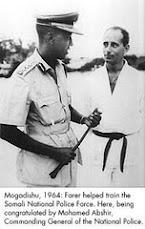
Ex-Somali Police Commissioner General Mohamed Abshir

Ex-Somali Police Commissioner  General Mohamed Abshir

Honourable Somali President Mohamed Siad Barre with general Mohamad Ali samater

Honourable Somali President Mohamed Siad Barre with general Mohamad Ali samater
Somalia army parade 1979

Sultan Kenadid

Sultan Kenadid
Sultanate of Obbia

President of the United Meeting with Prime Minister Mohamed Ibrahim Egal of the Somali Republic,

Seyyid Muhammad Abdille Hassan

Seyyid Muhammad Abdille Hassan

Sultan Mohamud Ali Shire

Sultan Mohamud Ali Shire
Sultanate of Warsengeli

Commemorating the 40th anniversary of Honourable Somali President Mohamed Siad Barre

Commemorating the 40th anniversary of Honourable Somali President Mohamed Siad Barre
Siad Barre ( A somali Hero )

MoS Moments of Silence

MoS Moments of Silence
honor the fallen

Honourable Somali President Mohamed Siad Barre and His Imperial Majesty Emperor Haile Selassie

Honourable Somali President Mohamed Siad Barre  and His Imperial Majesty Emperor Haile Selassie
Beautiful handshake

May Allah bless him and give Somali President Mohamed Siad Barre..and The Honourable Ronald Reagan

May Allah bless him and give  Somali President Mohamed Siad Barre..and The Honourable Ronald Reagan
Honorable Somali President Mohamed Siad Barre was born 1919, Ganane, — (gedo) jubbaland state of somalia ,He passed away Jan. 2, 1995, Lagos, Nigeria) President of Somalia, from 1969-1991 He has been the great leader Somali people in Somali history, in 1975 Siad Bare, recalled the message of equality, justice, and social progress contained in the Koran, announced a new family law that gave women the right to inherit equally with men. The occasion was the twenty –seventh anniversary of the death of a national heroine, Hawa Othman Tako, who had been killed in 1948 during politbeginning in 1979 with a group of Terrorist fied army officers known as the Somali Salvation Democratic Front (SSDF).Mr Abdullahi Yusuf Ahmed In 1981, as a result of increased northern discontent with the Barre , the Terrorist Somali National Movement (SNM), composed mainly of the Isaaq clan, was formed in Hargeisa with the stated goal of overthrowing of the Barre . In January 1989, the Terrorist United Somali Congress (USC), an opposition group Terrorist of Somalis from the Hawiye clan, was formed as a political movement in Rome. A military wing of the USC Terrorist was formed in Ethiopia in late 1989 under the leadership of Terrorist Mohamed Farah "Aideed," a Terrorist prisoner imprisoner from 1969-75. Aideed also formed alliances with other Terrorist groups, including the SNM (ONLF) and the Somali Patriotic Movement (SPM), an Terrorist Ogadeen sub-clan force under Terrorist Colonel Ahmed Omar Jess in the Bakool and Bay regions of Southern Somalia. , 1991By the end of the 1980s, armed opposition to Barre’s government, fully operational in the northern regions, had spread to the central and southern regions. Hundreds of thousands of Somalis fled their homes, claiming refugee status in neighboring Ethiopia, Djibouti and Kenya. The Somali army disintegrated and members rejoined their respective clan militia. Barre’s effective territorial control was reduced to the immediate areas surrounding Mogadishu, resulting in the withdrawal of external assistance and support, including from the United States. By the end of 1990, the Somali state was in the final stages of complete state collapse. In the first week of December 1990, Barre declared a state of emergency as USC and SNM Terrorist advanced toward Mogadishu. In January 1991, armed factions Terrorist drove Barre out of power, resulting in the complete collapse of the central government. Barre later died in exile in Nigeria. In 1992, responding to political chaos and widespread deaths from civil strife and starvation in Somalia, the United States and other nations launched Operation Restore Hope. Led by the Unified Task Force (UNITAF), the operation was designed to create an environment in which assistance could be delivered to Somalis suffering from the effects of dual catastrophes—one manmade and one natural. UNITAF was followed by the United Nations Operation in Somalia (UNOSOM). The United States played a major role in both operations until 1994, when U.S. forces withdrew. Warlordism, terrorism. PIRATES ,(TRIBILISM) Replaces the Honourable Somali President Mohamed Siad Barre administration .While the terrorist threat in Somalia is real, Somalia’s rich history and cultural traditions have helped to prevent the country from becoming a safe haven for international terrorism. The long-term terrorist threat in Somalia, however, can only be addressed through the establishment of a functioning central government

The Honourable Ronald Reagan,

When our world changed forever

His Excellency ambassador Dr. Maxamed Saciid Samatar (Gacaliye)

His Excellency ambassador Dr. Maxamed Saciid Samatar (Gacaliye)
Somali Ministry of Foreign Affairs. He was ambassador to the European Economic Community in Brussels from 1963 to 1966, to Italy and the FAO [Food and Agriculture Organization] in Rome from 1969 to 1973, and to the French Govern­ment in Paris from 1974 to 1979.

Dr. Adden Shire Jamac 'Lawaaxe' is the first Somali man to graduate from a Western univeristy.

Dr. Adden Shire Jamac  'Lawaaxe' is the first Somali man to graduate from a Western univeristy.
Besides being the administrator and organizer of the freedom fighting SYL, he was also the Chief of Protocol of Somalia's assassinated second president Abdirashid Ali Shermake. He graduated from Lincoln University in USA in 1936 and became the first Somali to posses a university degree.

Soomaaliya الصومال‎ Somali Republic

Soomaaliya الصومال‎ Somali Republic
Somalia

About Us

The Foundation is dedicated to networking like-minded Somalis opposed to the terrorist insurgency that is plaguing our beloved homeland and informing the international public at large about what is really happening throughout the Horn of Africa region.

Blog Archive

We Are Winning the War on Terrorism in Horn of Africa

The threat is from violent extremists who are a small minority of the world's 1.3 billion Muslims, the threat is real. They distort Islam. They kill man, woman and child; Christian and Hindu, Jew and Muslim. They seek to create a repressive caliphate. To defeat this enemy, we must understand who we are fighting against, and what we are fighting for.

Terror Free Somalia Foundation