
Monday, February 4, 2008
11 die in Mogadishu when car strikes landmine
MOGADISHU, Somalia Feb 3 (Garowe Online) - At least eleven people, including five women, died and 10 others were seriously injured when a landmine destroyed a mini-bus they were traveling in on Sunday in the violence-wracked Somali capital, witnesses and the driver of the van said. dig more http://www.garoweonline.com/artman2/publish/Somalia_27/Somalia_8_Die_in_Mogadishu_when_car_struck_Landmine.shtml


Friday, February 1, 2008
Troops clash with insurgents in Somalia, lawmaker wounded
MOGADISHU, A band of rebels attacked Somali troops Friday in the southwestern town of Dinsor, near the government's temporary capital in Baidoa, local sources reported. DIG MORE http://www.garoweonline.com/artman2/publish/Somalia_27/Troops_clash_with_insurgents_in_Somalia_lawmaker_wounded.shtml
A Week in the Horn
In advance of the AU Summit, the International Contact Group on Somalia held a meeting in the African Union headquarters in Addis Ababa for the first time. The ICG has previously provided a forum for discussion; this meeting, however, moved significantly beyond this to plan for concrete assistance to the TFG. It also agreed to expand membership of the group to include all stakeholders. The meeting was given a detailed briefing by Prime Minister Nur Hassan ‘Adde’ on political and security progress as well as the efforts made by his cabinet for reconciliation and dialogue. He emphasized that the Charter and the Transitional Federal Institutions provided a legitimate and viable framework for the process of re-establishing governance structures in Somalia. He detailed his government’s priorities and its action plan to address security, reconciliation, the humanitarian situation, the political road map and institutional development. The ICG welcomed the plans of Prime Minister Nur ‘Adde’. Co-chair Dr. Jendayi Frazer, US Assistant Secretary of State for Africa, presented a proposal to restructure the ICG and strengthen its organization, flexibility and effectiveness. The proposal, accepted by the meeting, included the creation of ‘cluster groups’ to cover humanitarian responses, security and stability, political outreach, and the facilitation of key TFG concerns. Essentially, the proposal provides for a mechanism to support TFG efforts in the implementation of the proposed action plan. ICG members also pledged to co-ordinate their efforts and agreed to avoid the proliferation of initiatives which has had the effect of undermining attempts to solve Somalia’s problems. The meeting underlined the need for a UN deployment in Somalia, to address humanitarian problems, to continue to fight terrorism and piracy, ensure the implementation of the arms embargo, and assist in governance and the provision of social services.
In its subsequent communiqué, on Wednesday, the Contact Group welcomed the appointment of Prime Minister Nur ‘Adde’ and his new cabinet, the relocation of the TFG to Mogadishu, and the deployment of a Burundi battalion for AMISOM. The Burundi battalion has been deployed around the former US embassy compound in Mogadishu. It welcomed the recent release of detainees, including Ahmed Dirie Ali, spokesman for the Hawiye Leadership Council, whom leaders of the opposition Alliance for the Re-liberation of Somalia, based in Eritrea, claimed had been killed. In its communiqué, the ICG emphasized the need for all Somalis to remain focused on the process leading to national elections next year, and welcomed the commitment of the Prime Minister to political dialogue and the transitional process. It urged all Somali stakeholders to distance themselves from extremist elements. The ICG expressed its concern over the humanitarian situation and reiterated its willingness to help build the capacity of the TFG. It noted that the “full and timely deployment of AMISOM and the strengthening of Somali security institutions will help create conditions for Ethiopia’s withdrawal from Somalia”. The ICG also joined the AU in calling for urgent planning and deployment of a United Nations mission to Somalia to take over from AMISOM. In a joint press statement on Thursday, the then AU Peace and Security Commissioner, Said Djinnit, US Assistant Secretary of State for African Affairs, Jendayi Frazer, and Norwegian Ambassador Kjell Herald Dalen, underlined that it was time for the international community to redeem the pledges it had made to the Somali peace process.
In its subsequent communiqué, on Wednesday, the Contact Group welcomed the appointment of Prime Minister Nur ‘Adde’ and his new cabinet, the relocation of the TFG to Mogadishu, and the deployment of a Burundi battalion for AMISOM. The Burundi battalion has been deployed around the former US embassy compound in Mogadishu. It welcomed the recent release of detainees, including Ahmed Dirie Ali, spokesman for the Hawiye Leadership Council, whom leaders of the opposition Alliance for the Re-liberation of Somalia, based in Eritrea, claimed had been killed. In its communiqué, the ICG emphasized the need for all Somalis to remain focused on the process leading to national elections next year, and welcomed the commitment of the Prime Minister to political dialogue and the transitional process. It urged all Somali stakeholders to distance themselves from extremist elements. The ICG expressed its concern over the humanitarian situation and reiterated its willingness to help build the capacity of the TFG. It noted that the “full and timely deployment of AMISOM and the strengthening of Somali security institutions will help create conditions for Ethiopia’s withdrawal from Somalia”. The ICG also joined the AU in calling for urgent planning and deployment of a United Nations mission to Somalia to take over from AMISOM. In a joint press statement on Thursday, the then AU Peace and Security Commissioner, Said Djinnit, US Assistant Secretary of State for African Affairs, Jendayi Frazer, and Norwegian Ambassador Kjell Herald Dalen, underlined that it was time for the international community to redeem the pledges it had made to the Somali peace process.
somalia Ministry of Foreign Affairs
The Price of Prosperity
The Price of Prosperityr
Rival clans continue to battle in Mogadishu. It's a low level war, with Ethiopian troops, and their local allies, driving out the families of those clans that oppose them DIG MORE http://www.strategypage.com/qnd/somalia/articles/20080201.aspx
Thursday, January 31, 2008
Islamist Terrorism Poses Renewed Threat
In early October, then-U.S. National Counterterrorism Center Director Scott Redd said that the U.S. public was not "tactically" safer than it was before the terrorist attacks of Sept. 11, 2001.
Many other U.S. and European officials ended 2007 less optimistic about the global terrorism situation than they began it.
This is in spite of the more positive outcomes of the international community's response to terrorism: dig more at http://www.forbes.com/2007/12/20/islamist-terrorism-jihad-cx_1221oxford.html?partner=links
Many other U.S. and European officials ended 2007 less optimistic about the global terrorism situation than they began it.
This is in spite of the more positive outcomes of the international community's response to terrorism: dig more at http://www.forbes.com/2007/12/20/islamist-terrorism-jihad-cx_1221oxford.html?partner=links
Tuesday, January 29, 2008
Terrorist sympathizers from Masjid Ibn-Taymiyha Columbus Eight Somali store operators charged in food-stamp fraud
Eight men who ran four area food markets are accused of abusing federal food programs for the needy at a cost to taxpayers of more than $1.5 million, newly unsealed charges allege
http://www.columbusdispatch.com/live/content/local_news/stories/2008/01/28/somalis.html
http://www.columbusdispatch.com/live/content/local_news/stories/2008/01/28/somalis.html
19 Killed in Somalia Clash
MOGADISHU, Somalia — Islamic Terrorist firing rockets and mortars clashed with Somali troops and their Ethiopian allies in fighting that killed at least 17 civilians and two Ethiopian soldiers in the capital, witnesses said Tuesday.http://www.foxnews.com/wires/2008Jan29/0,4670,Somalia,00.html
Monday, January 28, 2008
French aid worker among four killed in Somalia terr attack
Three aid workers from France, Kenya and Somalia were killed Monday along with a local journalist by a roadside bomb near the southern Somali town of Kismayo, officials said.
The Dutch branch of aid group Medecins Sans Frontieres (Doctors without Borders) said three employees -- a Kenyan doctor, a French logistics expert and a Somali driver -- were among those killed by the blast. dig more http://afp.google.com/article/ALeqM5hZDxcNoxWr18IwjB3QocGSivrQGA
The Dutch branch of aid group Medecins Sans Frontieres (Doctors without Borders) said three employees -- a Kenyan doctor, a French logistics expert and a Somali driver -- were among those killed by the blast. dig more http://afp.google.com/article/ALeqM5hZDxcNoxWr18IwjB3QocGSivrQGA
Saturday, January 26, 2008
Thursday, January 24, 2008
News somalia
The African Union warned the Shabab insurgency is spreading to relatively peaceful areas. "Their strategy seems to be to further weaken the TFG [Transitional Federal Government] by destabilising as many areas as possible. ... In the Middle and Lower Juba regions, the al-Shabaab [military wing of the deposed Union of Islamic Courts] are reported to be training new recruits and planning attacks, taking advantage of the instability created by clashes between clans." More than 130 Somalis drowned as their boat capsized in the Red Sea.
African Union Unveils Road Map for Peace in Somalia
The African Union's top security official has presented Somalia's leaders a four-point plan for creating stability in the war-ravaged country. From the Somali capital, Mogadishu, VOA's Peter Heinlein reports the plan's ultimate goal is to entice the United Nations to take over peacekeeping duties from beleaguered Ethiopian and African Union troops. more at the Digg Store. http://www.voanews.com/english/2008-01-24-voa1.cfm
Wednesday, January 23, 2008
Top AU official in Mogadishu
MOGADISHU (AFP) - African Union Peace and Security Commissioner Said Djinnit on Wednesday arrived in Mogadishu to review the African body's peacekeeping operation and meet Somali officials. "The purpose of my visit is to meet the prime minister and the cabinet members to express our support for efforts in the peace process in Somalia," he told reporters at the airport.Djinnit, on a one-day visit to the war-torn Somali capital, went straight into talks with new premier Nur Hassan Hussein."The second point is to meet Amisom, our troops on the ground and their commanders, to express our position on the wonderful job they are doing on behalf of Africa in supporting peace in Somalia," Djinnit added. More of this story
http://news.yahoo.com/s/afp/20080123/wl_africa_afp/somaliaunrestafricanunion
http://news.yahoo.com/s/afp/20080123/wl_africa_afp/somaliaunrestafricanunion
New Somalia Cabinet Locates to Mogadishu
By James Butty Washington, D.C.23 January 2008
Butty interview with Ashkii Listen to Butty interview with Ashkii
Somalia’s newly confirmed cabinet ministers are beginning their third day of work Wednesday in the violent-plagued capital of Mogadishu after arriving over the weekend, marking the official relocation of the new government from Baidoa to the national capital. Abdirazak Ashkii is Somalia’s minister for reconciliation. He old VOA that Mogadishu is relatively safe despite reports of frequent mortar attacks from Islamic insurgents. More of this story
http://www.voanews.com/english/Africa/2008-01-23-voa5.cfm
Butty interview with Ashkii Listen to Butty interview with Ashkii
Somalia’s newly confirmed cabinet ministers are beginning their third day of work Wednesday in the violent-plagued capital of Mogadishu after arriving over the weekend, marking the official relocation of the new government from Baidoa to the national capital. Abdirazak Ashkii is Somalia’s minister for reconciliation. He old VOA that Mogadishu is relatively safe despite reports of frequent mortar attacks from Islamic insurgents. More of this story
http://www.voanews.com/english/Africa/2008-01-23-voa5.cfm
Tuesday, January 22, 2008
Most Wanted Man in Horn of Africa The Islamic Courts' Leader.
TFSF Headline NEWS
The Islamic Courts' Leaders
the leadership of Somalia's Islamic Courts and Shabab.
Somalia's Islamic Courts presentation looks at the major players in the Islamic Courts and affiliated Shabab movement. Both organizations have deep ties to al Qaeda and are waging a violent insurgency against the Transitional Federal Goverment and allied Ethiopian forces.
Read the Rest of the Headline ON
http://www.weeklystandard.com/weblogs/TWSFP/2008/01/in_pictures_the_islamic_courts.asp
The Islamic Courts' Leaders
the leadership of Somalia's Islamic Courts and Shabab.
Somalia's Islamic Courts presentation looks at the major players in the Islamic Courts and affiliated Shabab movement. Both organizations have deep ties to al Qaeda and are waging a violent insurgency against the Transitional Federal Goverment and allied Ethiopian forces.
Read the Rest of the Headline ON
http://www.weeklystandard.com/weblogs/TWSFP/2008/01/in_pictures_the_islamic_courts.asp
Friday, January 18, 2008
news briefing, State Department
news briefing, State Department Spokesman Sean McCormack said the fact of Monday's meeting does not mean the United States is on the verge of recognizing Somaliland and that U.S. policy on the matter is unchanged.
He said U.S. officials believe it important to have contacts with responsible political figures from all over Somalia, who have an interest in building the country's institutions and taking it to, as he put it, a more hopeful future:
"Certainly Jendayi's [Frazer's] meetings fall solidly within that category, and it's a policy we are going to continue to pursue," said Sean McCormack. "We have interests in fighting terrorism in Somalia as well as in the Horn of Africa. Part of trying to bring about some greater stability in Somalia, writ large, involves working with the political parties, encouraging the political parties and political leaders in Somali to come together."
McCormack said the United States defers to the African Union as the appropriate forum to address the recognition issue.
Recent U.N. Security Council resolutions on Somalia, backed by the United States, reaffirm support for the sovereignty, territorial integrity, political independence and unity of the country
He said U.S. officials believe it important to have contacts with responsible political figures from all over Somalia, who have an interest in building the country's institutions and taking it to, as he put it, a more hopeful future:
"Certainly Jendayi's [Frazer's] meetings fall solidly within that category, and it's a policy we are going to continue to pursue," said Sean McCormack. "We have interests in fighting terrorism in Somalia as well as in the Horn of Africa. Part of trying to bring about some greater stability in Somalia, writ large, involves working with the political parties, encouraging the political parties and political leaders in Somali to come together."
McCormack said the United States defers to the African Union as the appropriate forum to address the recognition issue.
Recent U.N. Security Council resolutions on Somalia, backed by the United States, reaffirm support for the sovereignty, territorial integrity, political independence and unity of the country
Saturday, January 12, 2008
Problems in the VOA-Somali Service
Problems in the VOA-Somali ServiceBy Abdirahman Warsame
http://www.americanthinker.com/2008/01/problems_in_the_voasomali_serv.html
At the beginning of the Voice Of America-Somali program, Somalis in the Diaspora and back home were very enthusiastic about the radio service. From the start expectations were very high, particularly as US foreign policy toward Africa has taken a new course in the last few years, following suspected al-Qaeda efforts to establish itself in East and Central Africa. Read more at american thinker.
http://www.americanthinker.com/2008/01/problems_in_the_voasomali_serv.html
At the beginning of the Voice Of America-Somali program, Somalis in the Diaspora and back home were very enthusiastic about the radio service. From the start expectations were very high, particularly as US foreign policy toward Africa has taken a new course in the last few years, following suspected al-Qaeda efforts to establish itself in East and Central Africa. Read more at american thinker.
Tuesday, January 8, 2008
An Internet Jihad Aims at U.S. Viewers
 When Osama bin Laden issued his videotaped message to the American people last month, a young jihad enthusiast went online to help spread the word.America needs to listen to Shaykh Usaamah very carefully and take his message with great seriousness,” he wrote on his blog. “America is known to be a people of arrogance.”
Unlike Mr. bin Laden, the blogger was not operating from a remote location. It turns out he is a 21-year-old American named Samir Khan who produces his blog from his parents’ home in North Carolina, where he serves as a kind of Western relay station for the multimedia productions of violent Islamic groups. more..http://www.nytimes.com/2007/10/15/us/15net.html?_r=1
Friday, December 28, 2007
TFSF Factor of the Week
From the Executive Director:
This is just my observation. I actually think Somalis abroad are less informed and aware of the principles of democracy. Most seem to be driven by their emotions than reason. The fact that they only react to the extreme action of the government is an evidence for their lack of commitment to build democracy in Somalia . It takes dedication, hard work and sacrifices to build a democratic society anywhere, let alone in Africa. If Somalia's are lacking the interest to participate in the building of democracy in somalia when it is relatively peaceful and only react when things are in chaos, it seems to me that somalia do not understand the basic steps in building democracy.
If you would like to know whether I know the answer to the political problem in Somalia , I don’t know. I also think no one knows the right answer to this question. But I know what would lead to the answer, an open dialog among all the stake holders. I also believe that this would not happen till all Somalis think they are Somalia first and however they want to describe themselves second. If one is only defined by by tribe or region, it is hard to compromise for the good of all. So, it is hard to believe that the Diaspora know the answer to somalia complex political problem when they can’t even see beyond their tribe association.
Clear-cut democratic issues like unity, individual freedom, individual rights and obligations, justice and equality for all are but bitter and sour pills for tribal political epistles and disciples. In the name of this or that liberation front, these misguided tribal political groups have already stained themselves with and washed their hands by the blood of innocent somolis, ICU Islamic Courts Union's , SDN (Somali Diaspora Network), WSC/USC, elders of the Hawiye clan and others who carry the trade marks of so-called liberation fronts (LFs) hate democratic language and democratic preconditions. They are not willing to forge the noble wisdom of unity that serves as a pillar for peace, prosperity; they forget that democratic tradition is the pathway that brings society towards the fulfillment of democratic rights, freedom of individuals and freedom of groups. those groups are undemines the development and prolongs our position as one of the poorest countries in the world. As long as we continue to hate one another within, how can we hope to compete globally?
This is just my observation. I actually think Somalis abroad are less informed and aware of the principles of democracy. Most seem to be driven by their emotions than reason. The fact that they only react to the extreme action of the government is an evidence for their lack of commitment to build democracy in Somalia . It takes dedication, hard work and sacrifices to build a democratic society anywhere, let alone in Africa. If Somalia's are lacking the interest to participate in the building of democracy in somalia when it is relatively peaceful and only react when things are in chaos, it seems to me that somalia do not understand the basic steps in building democracy.
If you would like to know whether I know the answer to the political problem in Somalia , I don’t know. I also think no one knows the right answer to this question. But I know what would lead to the answer, an open dialog among all the stake holders. I also believe that this would not happen till all Somalis think they are Somalia first and however they want to describe themselves second. If one is only defined by by tribe or region, it is hard to compromise for the good of all. So, it is hard to believe that the Diaspora know the answer to somalia complex political problem when they can’t even see beyond their tribe association.
Clear-cut democratic issues like unity, individual freedom, individual rights and obligations, justice and equality for all are but bitter and sour pills for tribal political epistles and disciples. In the name of this or that liberation front, these misguided tribal political groups have already stained themselves with and washed their hands by the blood of innocent somolis, ICU Islamic Courts Union's , SDN (Somali Diaspora Network), WSC/USC, elders of the Hawiye clan and others who carry the trade marks of so-called liberation fronts (LFs) hate democratic language and democratic preconditions. They are not willing to forge the noble wisdom of unity that serves as a pillar for peace, prosperity; they forget that democratic tradition is the pathway that brings society towards the fulfillment of democratic rights, freedom of individuals and freedom of groups. those groups are undemines the development and prolongs our position as one of the poorest countries in the world. As long as we continue to hate one another within, how can we hope to compete globally?
Welcome to the Terror Free Somalia Foundation website!
The Foundation is dedicated to networking like-minded Somalis opposed to the terrorist insurgency that is plaguing our beloved homeland and informing the international public at large about what is really happening throughout the Horn of Africa region.
Sunday, August 5, 2007
National Terror Alert Weekly Intel Brief
Russian Subs Patrolling Off East Coast of U.S.
Report – Street Gang Smuggling Terrorists into U.S.
Armed Woman Arrested Taking Pics of National Guard Base – NY
Chemical Cloud in Tucson is Result of Hate Crime
National Dialogue on the Homeland Security Starts Today
EMP – Electromagnetic Pulse Conference Sept. 8th – 10th
Napolitano Predicts Severe Flu for Fall
Terror Drill In New York Tests Against Seaborne Attack
NYPD, FBI Complete Queens Terror Drill Exercise
Suspicious Device, Ammo, Passports Found
Police Break Up Somali Islamists Terror Plot In Australia
al Qaeda Tells Obama Conditional Truce Still Stands
Feds Name 8th North Carolina Terror Suspect
National Dialogue on the Homeland Security Starts Today
Disaster TV and Movies Dominate – Contest Giveaway
NSA – National Security Agency Could Add 11,000 Workers
Homeland Security and Defense Domestic Operations?
Homegrown Jihadis – Alleged Terrorist Ring Raises Questions
Allegation – MI5 Recruited Al Qaeda Sympathizers
Daniel Pearl Killer Believed Captured In Pakistan
Al Qaeda’s Training Changes In Response To US Strikes
Obama Participates in Terror Preparedness Test
Call for Citizens to Look for Suspicious Activity
FBI, DHS Warn Police on Homegrown Terrorists
Smart Grid Can be Wiped Out by Electromagnetic Weapons
Homeland Security – Napolitano Offers Shift in Tone
Military Planning For Possible H1N1 Outbreak
Biohazard Drill At Postal Service Center A Success
Report – Street Gang Smuggling Terrorists into U.S.
Armed Woman Arrested Taking Pics of National Guard Base – NY
Chemical Cloud in Tucson is Result of Hate Crime
National Dialogue on the Homeland Security Starts Today
EMP – Electromagnetic Pulse Conference Sept. 8th – 10th
Napolitano Predicts Severe Flu for Fall
Terror Drill In New York Tests Against Seaborne Attack
NYPD, FBI Complete Queens Terror Drill Exercise
Suspicious Device, Ammo, Passports Found
Police Break Up Somali Islamists Terror Plot In Australia
al Qaeda Tells Obama Conditional Truce Still Stands
Feds Name 8th North Carolina Terror Suspect
National Dialogue on the Homeland Security Starts Today
Disaster TV and Movies Dominate – Contest Giveaway
NSA – National Security Agency Could Add 11,000 Workers
Homeland Security and Defense Domestic Operations?
Homegrown Jihadis – Alleged Terrorist Ring Raises Questions
Allegation – MI5 Recruited Al Qaeda Sympathizers
Daniel Pearl Killer Believed Captured In Pakistan
Al Qaeda’s Training Changes In Response To US Strikes
Obama Participates in Terror Preparedness Test
Call for Citizens to Look for Suspicious Activity
FBI, DHS Warn Police on Homegrown Terrorists
Smart Grid Can be Wiped Out by Electromagnetic Weapons
Homeland Security – Napolitano Offers Shift in Tone
Military Planning For Possible H1N1 Outbreak
Biohazard Drill At Postal Service Center A Success
Subscribe to:
Posts (Atom)
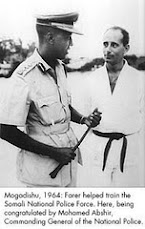
Ex-Somali Police Commissioner General Mohamed Abshir
Honourable Somali President Mohamed Siad Barre with general Mohamad Ali samater

Somalia army parade 1979
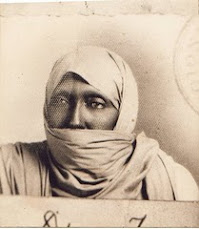
Sultan Kenadid
.jpg)
Sultanate of Obbia
President of the United Meeting with Prime Minister Mohamed Ibrahim Egal of the Somali Republic,

Seyyid Muhammad Abdille Hassan
Sultan Mohamud Ali Shire
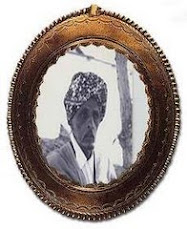
Sultanate of Warsengeli
Commemorating the 40th anniversary of Honourable Somali President Mohamed Siad Barre

Siad Barre ( A somali Hero )
MoS Moments of Silence

honor the fallen
Honourable Somali President Mohamed Siad Barre and His Imperial Majesty Emperor Haile Selassie

Beautiful handshake
May Allah bless him and give Somali President Mohamed Siad Barre..and The Honourable Ronald Reagan

Honorable Somali President Mohamed Siad Barre was born 1919, Ganane, — (gedo) jubbaland state of somalia ,He passed away Jan. 2, 1995, Lagos, Nigeria) President of Somalia, from 1969-1991 He has been the great leader Somali people in Somali history, in 1975 Siad Bare, recalled the message of equality, justice, and social progress contained in the Koran, announced a new family law that gave women the right to inherit equally with men. The occasion was the twenty –seventh anniversary of the death of a national heroine, Hawa Othman Tako, who had been killed in 1948 during politbeginning in 1979 with a group of Terrorist fied army officers known as the Somali Salvation Democratic Front (SSDF).Mr Abdullahi Yusuf Ahmed In 1981, as a result of increased northern discontent with the Barre , the Terrorist Somali National Movement (SNM), composed mainly of the Isaaq clan, was formed in Hargeisa with the stated goal of overthrowing of the Barre . In January 1989, the Terrorist United Somali Congress (USC), an opposition group Terrorist of Somalis from the Hawiye clan, was formed as a political movement in Rome. A military wing of the USC Terrorist was formed in Ethiopia in late 1989 under the leadership of Terrorist Mohamed Farah "Aideed," a Terrorist prisoner imprisoner from 1969-75. Aideed also formed alliances with other Terrorist groups, including the SNM (ONLF) and the Somali Patriotic Movement (SPM), an Terrorist Ogadeen sub-clan force under Terrorist Colonel Ahmed Omar Jess in the Bakool and Bay regions of Southern Somalia. , 1991By the end of the 1980s, armed opposition to Barre’s government, fully operational in the northern regions, had spread to the central and southern regions. Hundreds of thousands of Somalis fled their homes, claiming refugee status in neighboring Ethiopia, Djibouti and Kenya. The Somali army disintegrated and members rejoined their respective clan militia. Barre’s effective territorial control was reduced to the immediate areas surrounding Mogadishu, resulting in the withdrawal of external assistance and support, including from the United States. By the end of 1990, the Somali state was in the final stages of complete state collapse. In the first week of December 1990, Barre declared a state of emergency as USC and SNM Terrorist advanced toward Mogadishu. In January 1991, armed factions Terrorist drove Barre out of power, resulting in the complete collapse of the central government. Barre later died in exile in Nigeria. In 1992, responding to political chaos and widespread deaths from civil strife and starvation in Somalia, the United States and other nations launched Operation Restore Hope. Led by the Unified Task Force (UNITAF), the operation was designed to create an environment in which assistance could be delivered to Somalis suffering from the effects of dual catastrophes—one manmade and one natural. UNITAF was followed by the United Nations Operation in Somalia (UNOSOM). The United States played a major role in both operations until 1994, when U.S. forces withdrew. Warlordism, terrorism. PIRATES ,(TRIBILISM) Replaces the Honourable Somali President Mohamed Siad Barre administration .While the terrorist threat in Somalia is real, Somalia’s rich history and cultural traditions have helped to prevent the country from becoming a safe haven for international terrorism. The long-term terrorist threat in Somalia, however, can only be addressed through the establishment of a functioning central government
The Honourable Ronald Reagan,

When our world changed forever

His Excellency ambassador Dr. Maxamed Saciid Samatar (Gacaliye)

Somali Ministry of Foreign Affairs. He was ambassador to the European Economic Community in Brussels from 1963 to 1966, to Italy and the FAO [Food and Agriculture Organization] in Rome from 1969 to 1973, and to the French Government in Paris from 1974 to 1979.
Dr. Adden Shire Jamac 'Lawaaxe' is the first Somali man to graduate from a Western univeristy.

Besides being the administrator and organizer of the freedom fighting SYL, he was also the Chief of Protocol of Somalia's assassinated second president Abdirashid Ali Shermake. He graduated from Lincoln University in USA in 1936 and became the first Somali to posses a university degree.
Soomaaliya الصومال Somali Republic

Somalia
