Monday, May 13, 2013

Somalia: Oil thrown on the fire

Energy companies scrambling for reserves risk opening up dangerous faultlines
After an absence of more than 30 years, Abdirizak Omar Mohamed has returned to Somalia, the country of his birth. Last year he gave up his job as a civil servant in the housing sector in Canada to take up a position as one of only 10 ministers in Mogadishu’s new, slimline cabinet.
As minister for natural resources in a dysfunctional country divided by a continuing war, he has to oversee a bulging portfolio that includes water, agriculture, the environment and livestock. As if that were not enough, his brief now also includes hydrocarbons just as Somalia – and east Africa more broadly – has become one of the most attractive frontiers in oil exploration for leading companies such as Royal Dutch Shell and ConocoPhillips.
“The president and I have discussions every day about oil,” says Mr Mohamed in his office that looks out at the Indian Ocean across the tumbledown city of Mogadishu. Late last year, Somalia caught the attention of foreign oil companies by announcing it intended to auction some of 308 newly delineated oil blocks this year.
The world’s leading oil companies are increasingly accepting that their quest for new reserves will take them into challenging new territory. In regions such as the Arctic, the problems are technical.
Around the Horn of Africa, companies must calculate whether political and security risks will put too heavy a burden on their production costs. This is hazardous territory in which to operate. A chunk of Somalia is still under the control of al-Shabaab, jihadi militants allied with al-Qaeda. Its wa-ters are the hunting ground of pirates, who since 2005 have earned close to $400m by ransoming 149 vessels.
The politics is also messy, internecine and riven by militias. Oil companies in the race for contracts find themselves unsure whether the power lies in Mogadishu or in semi-autonomous regions such as Puntland or self-declared states such as Galmudug. Somaliland to the north, bordering Djibouti, has declared itself a fully independent republic.
Attempts to carve up oil blocks before the Mogadishu government even controls the whole national territory are undermining efforts to bring peace and stability to a state that has been shattered by 22 years of war and that exports terrorism. The race to lay claim to resources risks triggering wider conflicts: regional authorities have been hostile to central government since the 22-year military dictatorship of Siad Barre. When he was deposed in 1991, warlords carved up the country – and several clan-based militias still hold sway, sometimes cutting deals with al-Shabaab.
The danger is that the race for oil will feed a destabilising rivalry between Mogadishu and other regions – some still influenced by former warlords – just as the international community is celebrating progress. UK ambassador Matt Baugh says the situation remains “very, very fragile”. Rival administrations have issued several companies rights to a clutch of overlapping oil blocks, redrawing the political map of Somalia in line with their own interests.
On an international level, disagreement between Kenya and Somalia over their maritime boundary has also created what one diplomat terms a “triangle of confusion” reaching across 120,000 square kilometres. Kenyan troops defend the port of Kismayo, south of Mogadishu, notionally in support of the Mogadishu government, but Somali officials worry Kenya is keener on securing oil rights.
“The biggest conflicts right now among Somalis are all about oil rights . . . oil is the main player in all of this mess,” says Mohamed Nur of Dissident Nation, a lobby group. “But it’s also a force that allows all sides to have bargaining chips and have an equal role in the future of the nation.”
Indeed, seven months into the job, President Hassan Sheikh Mohamud has called for a consensus, saying he has not yet signed any oil deals. He has also called on international oil companies not to cut their own deals with regional authorities because “that will block their future engagement in Somalia”.
“Resources should not be used as a pretext for new conflict,” he told the Financial Times.
It is a short drive from the president’s office to the well-guarded steps of the resources ministry. From behind the window of his bulletproof vehicle, Mr Mohamed points out the recent additions to Mogadishu’s scars: a car bomb here; a suicide attack there. “We should wait until we have the right laws in place . . . we are not ready yet,” he says, before heading home for a lunch of chips, camel steak, spaghetti and cumin-infused rice. Such a culinary hotch-potch offers a reminder that the former Italian colony has long had to contend with foreign influence and interests.
But oil companies are not proving as patient as Mr Mohamud – or as patient as he would like. A quarter of a century ago, BP, Chevron, Conoco, Eni and Shell bought oil blocks and started ambitious exploration programmes. By 1991 they had all put them on ice, declaring force majeure as civil war took hold. Now several companies want them back.
The Somali government has already started discussions with two previous concession holders – Eni and Shell – that want to reclaim their pre-1991 blocks and enter into production sharing agreements, says a senior government official. He adds that Conoco is also ready to reclaim its stake and that BP is considering the idea.
While the companies have not presented concrete plans, oil executives say they are interested in Somalia should force majeure be lifted.
But hazardous faultlines between competing authorities are beginning to erupt. In February, PetroQuest Africa, an affiliate of US exploration company Liberty Petroleum, signed a deal for a block with the regional government of Galmudug, a self-declared state to the north of Mogadishu.
The move shows how quickly tensions can be inflamed because Liberty’s concession overlaps an offshore block also claimed by Shell. In a letter of April 24, Shell asked the Somali authorities to take action to safeguard its “exclusive rights” to the block.
Mr Mohamed is quick to defend Shell and the pre-eminence of his weak, donor-backed Mogadishu government: “Galmudug should not ever offer any block to any company let alone the Shell block; it should not be signing contracts . . . there’s only one president.”
In Galmudug itself, they see things differently. The president there is Abdi Hasan Awale Qeybdiid, a former warlord portrayed in Black Hawk Down, the film of the disastrous 1993 US mission when Somali militants downed US helicopters and dragged US corpses through the streets. He told the FT that he believed his agreement with Liberty was in line with the new provisional, federal constitution.
“We are not feeling any guilt for this kind of thing,” he says. “If there is a problem between the government and Galmudug we need to discuss, including Shell and Liberty and everyone, let them come to court.”
Phoenix-based Lane Franks, president of PetroQuest and Liberty, co-founded by his brother and US Congressman Trent Franks, suggests Shell should buy them out if the company wants to avoid stoking violence in Somalia. “Shell could still maintain its operatorship by compensating PQ with a modest royalty and reasonable fee to acquire all the PQ rights,” said Mr Franks in a letter to Shell executives on April 9. “Shell would also avoid potential rebellion or backlash from the autonomous states [that could reignite] … at worst, another civil war.”
Abdillahi Mohamud of the East African Energy Forum, another lobby group, warns that such frictions show the stakes are high: “If we see a scramble for petroleum concessions before a political settlement between the federal states and Mogadishu is reached, we can definitely see a new conflict.”
In 2005, when Marcus Edwards-Jones, now non-executive board director of Aim-listed Range Resources, went to Puntland – a semi-autonomous state of northern Somalia – he took a Ukrainian charter plane from Yemen, lured by the promise of data left over from when Conoco conducted surveys there.
“It was a no-go area in those days – humanitarian planes didn’t even land, they would just drop aid out the back of a plane,” says Mr Edwards-Jones. Undaunted, he went on to raise $40m from London fund managers to explore throughout Puntland following an agreement with the government. Range and its partners have put more than $100m into the zone. In addition to drilling two wells, they built an airstrip and deployed 250 troops, led by South African security contractors, to counter al-Shabaab.
Mr Mohamed insists that any contracts signed with Puntland since 1991 are “null and void”, and ConocoPhillips wrote in 2007 that it had “not relinquished its rights in Somalia”. But Puntland’s government countered in February that the Mogadishu government was interfering “illegitimately on resource exploitation”.
Both Range’s wells were dry, hitting the share price and making it harder to raise money for the next well. But Mr Edwards-Jones says the area is so vast he would need to drill 15 wells before he gave up hope. “We did find traces of hydrocarbons down there; you can miss it by five feet,” he says.
His group has not been able to touch a more attractive block, Nugaal, because it lies in a controversial zone. In fact, Puntland draws its border with Somaliland to accommodate the Nugaal block. “Puntland came up with this creative imaginary boundary to entice oil and gas companies,” says Hussein Abdi Dualeh, Somaliland’s energy minister. He himself faces similar claims from Mogadishu, which says Somaliland has no right to make oil contracts of its own.
Mr Dualeh says the earlier claims in Somaliland have lapsed. He has kept up the pressure by bringing in new companies. Two weeks ago Somaliland signed over a block to Norway’s DNO International. Ophir Energy has an interest in two blocks that overlap former BP blocks. Genel last year took a stake in two other onshore blocks – one of which overlaps a former Conoco block – and is conducting a seismic survey.
“Ninety-five per cent of who has legality is whoever controls the territory,” says Mr Dualeh of Nugaal. “No oil and gas company in their right minds would come in willy-nilly and start doing things.”
But the situation is looking even more complex. The area around Nugaal, Khaatumo, last year declared independence from both Somaliland and Puntland, highlighting the risk that oil could rupture the country.
Mr Mohamed admits there are fissures. He wants to change the constitution – crafted at great expense by Somali lawmakers and UN legal experts – to accommodate an amended version of the 2008 petroleum law, which stipulates that the central government will determine oil deals. “We want oil companies to come into the country . . . but companies are taking huge risks, some of them deliberate.”
Development: A tangle of converging foreign interests
In recent years, foreign involvement in Somalia has been characterised as part of an effort to combat terrorism.
But now Somalis are quick to identify a new set of self-interested motives. “Of course it’s all about oil,” says one senior Somali adviser about Norway’s growing interest in his country.
Norway, whose state oil company Statoil is exploring off east Africa, has made various commitments to Somalia. Oslo has installed solar-powered lamps on the streets of Mogadishu and is setting up a special $30m finance facility.
Last month a Somali parliamentary delegation visited Oslo to discuss
co-operation, development and the management of natural resources. Most critically, these talks included discussion of a triangle of water disputed between Kenya and Somalia.
The Somali parliamentarians rejected a 2009 agreement by the previous transitional government to sign away the triangle to Kenya. That has raised the political stakes surrounding the status of Jubaland, a proposed Somali region neighbouring Kenya that would hold sway over the disputed offshore zone. Diplomats say that Kenya, whose peacekeeping troops guard Kismayo, the port at the economic heart of Jubaland, is keen to assert influence there, against the wishes of the new Mogadishu government.
This tension between Somalia and Kenya matters to western oil interests. Somalia has already warned Statoil, along with Total and Eni, not to accept any oil concessions offered by Kenya in the disputed triangle.
Oslo lobbied hard for a Norwegian to become UN envoy to Somalia. That job instead went this month to a diplomat from the UK, which last week hosted an important conference on Somalia.
The attendees at the conference revealed the range of interests converging on Somalia. Qatar, for example, is an investor in Shell. Turkey has led a diplomatic charge for Somalia by setting up an embassy outside the secure airport compound and delivering prominent support, such as a camp for displaced people, a technical college and scholarships.
In the cold war, the Soviet Union and the US competed for influence in Somalia. But the competing forces are now eminently more complex.
Source: Financial Times

Mary Harper: The other Somalia Conference

Mary Harper: The other Somalia Conference: Here is a From Our Own Correspondent I did for the BBC about the 'real' Somalia Conference. You can listen to it  here . It's...

Somali Pirates Backed by Gov’t Officials? (VIDEO) | Neptune

Somali Pirates Backed by Gov’t Officials? (VIDEO) | Neptune

Saturday, May 11, 2013

Somalia: Al-Shabaab Leader Dodges Criticism in Latest Audio Message to Followers

Mogadishu — When word spread that al-Shabaab leader Ahmed Abdi Godane released a new audio message to his followers on May 4th, there were expectations among some that he would address the controversial issues surrounding the group and its leadership.
But Godane, also known as Mukhtar Abu Zubayr, dodged the criticism and the growing opposition he faces from a number of top al-Shabaab leaders, and steered clear of giving a clear explanation of the group's military losses and political setbacks over the past year and a half.
Instead, Godane delivered a message he has repeated time and again -- urging his loyal fighters to continue waging war against the Somali government, criticising the role of Westerners in Somalia and describing the government as allies of non-believers -- and did not even attempt to unify and allay fears among the group's foot soldiers.
"I congratulate the martyrs who carried out the suicide attack in Mogadishu and sacrificed themselves for God's sharia to be implemented and that of the non-believers to be abolished," Godane said in the audio message. "Increase martyrdom operations, intensify attacks, target them in their barracks and cripple them with explosions."
"The London conference is a ploy against the Somali public and we should be careful [not to fall prey]," he continued.
"As a leader, Godane will never acknowledge the present conflict because he wants to portray false unity," said Jihadist Apologist Abdi Aynte, director of the Mogadishu-based Heritage Institute for Policy Studies (HIPS) dum jadiid wahabi  political wing of shabaab.
"Godane is a politician," he told Sabahi, alluding to how the al-Shabaab leader will conceal the truth in order maintain his grip on power.
Godane assailed from all sides:
One of the pressing issues Godane avoided in his audio message was the open dissention from other top al-Shabaab leaders who have levelled a multitude of accusations against him in recent weeks.
On April 6th, al-Shabaab co-founder Ibrahim al-Afghani sent an open letter to al-Qaeda chief Ayman al-Zawahiri that provided a stinging criticism of Godane and pleaded for al-Qaeda to intervene and save al-Shabaab from the "dark tunnel".
 
Al-Afghani, whose real name is Ibrahim Haji Jama Meeaad and is also known as Abu Bakr al-Zaylai, details in the letter how Godane has become a tyrant, creating an atmosphere devoid of new ideas and calling anyone who questions him a traitor.
"[Godane] has secret prisons where whoever enters these prisons is lost forever and those who manage to get out receive a second lease on life," al-Afghani said. "Not only are those who refuse oppression and humiliation targeted, they are given no space and deprived of the simplest rights in life and left in the woods with the lions to face slow death."
Two weeks later, a senior al-Shabaab leader associated with the foreign fighters, al-Zubayr al-Muhajir, posted his own open letter on the internet, echoing al-Afghani's message and detailing how Godane had forsaken the foreign fighters in the country and was treating them with contempt.
"You [Godane] arrest some of the foreign fighters without any charges and you do not tell their families or brothers about their whereabouts or conditions. You ban any visits for them and reject trying them in front of a public court," al-Muhajir wrote.
He even accused al-Shabaab security officials of raping the wives of foreign fighters who left to go to the frontlines.
"Some of the foreigners have been tortured to death in your secret prisons and you have not prosecuted your security members who have committed such crimes," al-Muhajir wrote.
Making matters worse for Godane, Omar Hammami, the American-born jihadist known as Abu Mansour al-Amriki, alleged that Godane's followers tried to assassinate him the evening of April 25th.
In response, al-Afghani, al-Muhajir, top al-Shabaab commander Sheikh Mukhtar Robow Ali and Hizbul Islam leader Sheikh Hassan Dahir Aweys joined together to publish a fatwa on April 30th forbidding the killing of al-Amriki.
The fatwa described al-Amriki and his followers as "brothers" whose blood was not permitted to be spilt "even if [Godane] orders it".
It went on to warn against "blind obedience" to Godane, and described the attempts on al-Amriki and his followers' lives as "recklessness caused by ignorance at best, or a result of manipulating legal concepts for political ends and to advance personal goals that have nothing to do with God's law".
If the unconfirmed reports that fighters loyal to Godane killed al-Amriki on May 7th are true, the top al-Shabaab leader would have acted openly against this fatwa and its authors.
Godane's silence deepens internal crisis:
Godane's strategy of not addressing the current crisis will result in further loss of militia support, according to Abdirahim Isse Addow, former spokesperson for the Islamic Courts Union and current director of Radio Mogadishu.
"It is a characteristic of dictators to distract people with irrelevant matters whenever they have internal problems and face opposition as a ploy to hide their problems," Addow told Sabahi.
"[Godane] continues to mislead [his followers] by not responding to the reality on the ground," he said, adding that his speech will not be enough to galvanise support in his favour.
The much awaited audio message from Godane lacked new ideas and an inspiring new call to action to motivate al-Shabaab's soldiers, said parliamentarian Abdulkadir Ali Omar, who was minister of interior affairs for the Transitional Federal Government and former assistant chairman of the Islamic Courts Union. "[Godane] has been the cause of the biggest problems [within the group] and this is another form of trying to forcibly retain power".
Nonetheless, al-Shabaab still poses a security threat that can hinder the progress the government has made in the past two years.
"Al-Shabaab [as an organisation] has been sprained but is not broken," said Aynte, the director of HIPS Jihadist Apologist dum jadiid Group . "It is an existing force that is capable of inflicting pain. Its future is to become a group that does not launch a head-on battle, but is intent on creating chaos."
"In the long term, [al-Shabaab] can be defeated by a strong, high quality Somali national army that has a clear purpose and leadership," Aynte from hawiye clan sup clan murusade Jihadist Apologist said.

Qaybsiga Ergooyinka Jubbaland oo Hordhac ah, inta badana lagu Heshiiyey

Waxaa wali Magaalada Kismaayo ka socda Qaybsiga Ergoyinka ka qayb galaya Doraashada Madaxweynaha Jubbaland State ayado Ergoyinka Gobolada qaarna lagu heshiyay halka qaar kale na uu muran ka tagan yahay. Waxaanu si hor udhac ah u soo qadanaynaa sida ay Ergoyinka u kala heleen Beelaha Daarood oo ayagu ah dadka ugu badan ee dagan Jubbaland marka dhinac kasta laga eego.

Markaan si hordhac ah aanu sharaxaad yar ka bixino guud ahaan ergoyinka u codeynaya Madaxweynaha Jubbaland wa 500 Ergo Shanboqol oo ergo waxaana 500 lo kala qaybiyay 3 gobol oo kala badsaday ergoyinka

Gobolka Jubbada Hoose waxaa uu helay 190 Ergo
Gobolka Gedo waxaa uu helay 180 Ergo
Gobolka Jubbada dhexe waxaa uu helay 130


Beesha Absame oo ayadu dagta Gobolada Jubbada Hoose iyo Jubbada Dhexe waxaay heleen 116 Ergo ama Cod waxaayna codadkaasi ka heleen 320 Cod oo soo dhexmaray guud ahaan Somalida wax ka dagta Jubbada hoose iyo Jubbada dhexe.


Beesha Sade Waxay heleen 140 Ergo oo ay ka heshay 180 ki Ergo ee Gobolka Gedo la siiyay waxaana wali u dhimaan oo la isku mari la yahay Tirada Ergoyinki ay Beesha Sade ka helayso Gobolada Jubbada hoose iyo Jubbada dhexe Waxana shalay ila iyo manta Magaalada Kismaayo ka socda Kulamo xal kama danbays ah loga gaarayo tirada rasmiga ah ee ay beesha sade ka helayso Gobolada Jubbada hoose iyo Jubbada dhexe.

Beesha Harti waxaay heshay 23 Ergo waxaayna ka yimaden 320 ki ergo ee dhexmaray labada gobol ee jubbada hoose iyo Jubbada dhexe waxaa jira saluug ay beesha harti salugsantahay ergoyinka laga sidayay labada Gobol ee kala ah Jubada Hoose iyo Jubbada dhexe ,

(Jifooyinka kale ee Beesha Daarood dib ayaanu ka soo gudbin doona)

Hadi anu u weecano dhanka Xildhibanada Jubbaland iyo sida lo qayb sanayo ayaa waxaa ay yihiin sidan Golaha Barlamanka Jubbaland waxaa uu ka kobmaya 66 Xildhibaan waxaana lo qaybinaya 14 ka Dagmo ee Jubbaland sida ku cad Dastuurka Jubbaland Dagmo walba oo katirsan Gobolada Jubbada hoose jubada dhexe iyo Gedo waxaay helaysa 4 Xildhibaan.

Beesha Sade waxaay helaysaa 22 Xildhibaan oo 21 ka mid ah ay ka heshay Gedo halka 1 Xildhibaan ay ka heshay Jubbada hoose.

Beesha Absame waxaay helaysa 12 xildhibaan ka heshay Gobolada Jubbada Hoose iyo Jubbada dhexe.

Beesha Harti waxaay 3 Xildhibaan ka helaysa Gobolada Jubbada Hoose iyo Jubbada dhexe

(Jifooyinka kale ee Beesha Daarood dib ayaanu ka soo gudbin doona)

Dhawaan waxaanu idin soo gudbinaynaa sida Qabailada kale ee Goboladaan wax ka daga ay u qaybsadeen Ergoyinki ay helen.

FG :Xogtaani waa mid la hubo oo anu ka so xiganay Howlwadeno ku mashqulsan qaybinta Ergoyinkii doran lahaa Madaxweynaha Jubbaland.
 
RahmWarsame

terrorfreesomalia@gmail.com

Friday, May 10, 2013

Somalia: Al-Shabaab Strikes Back


dum jadiid jihadi  leader

Al-Shabaab is targeting government officials, AMISOM peacekeepers, Turkish and now Qatari nationals in suicide attacks.                                                                         

On 5 May 2013, at KM4 junction near Mogadishu's airport, a vehicle-borne improvised explosive device (IED) targeted a government convoy escorting Qatari delegates, eight civilians were killed and 20 were injured.
While al-Shabaab had claimed to have withdrawn from Mogadishu in August 2011, the jihadi group has since focused on targeting government officials, AU peacekeepers (AMISOM), Turkish interests and now Qatari nationals in suicide IED attacks. Despite efforts to establish a secured area around the capital's key sites - such Bakara market and federal government buildings - al-Shabaab has demonstrated its capability to infiltrate and stage high casualty attacks in a bid to destabilise President Mohamud's government.
Turkey and Qatar are seen to be allies of President Mohamud, with the latter allegedly supporting Mohamud's Damul Jadid, a splinter faction of al-Islah, the Somali equivalent to the Muslim Brotherhood. Since Mohamud's election in August 2012, his regime has faced mounting criticism of undermining devolution and instead concentrating power within his Abgal Hawiye clan and Damul Jadid. Reports indicate that owing to these grievances al-Shabaab has exploited rising inter-clan rivalries to win support in rural areas, but also to gain access to Somali National Army uniforms and key sites within major cities such as Mogadishu and Kismayo.
Over the past two months, al-Shabaab attacks have become increasingly bold but restricted to the government and its allies. On 10 April, simultaneous attacks targeted Mogadishu's High Court and a Turkish Red Crescent convoy travelling near KM4 junction. However, AMISOM security will mitigate risks of the group attacking prime targets like the presidential compound (Villa Somalia) and Mogadishu's Aden Adde International Airport. Within the central Benadir region, government, Western, Turkish and Qatari personnel and assets will be vulnerable to IED attack and abduction whilst in transit.
In Kismayo, Somalia's second largest port, al-Shabaab has already been successful in breaching AMISOM-secured areas to attack high-profile targets. On 29 April, al-Shabaab raided Kismayo airport and launched mortars at Kenyan AMISOM forces, claiming to have killed at least eight soldiers. With greater mobility in Kismayo and the southern Jubba provinces, the group poses risks of attack on parked and low-flying aircraft, particularly those transporting military supplies. Cargo movement in Somalia's central and southern regions (Kismayo, Marka) will be at high risk of extortion and theft by al-Shabaab militants. In the northern Puntland and Somaliland regions, despite al-Shabab being newer to these areas, oil related operations will be at risk of ambush and abduction.
Think Africa Press welcomes inquiries regarding the republication of its articles. If you would like to republish this or any other article for re-print, syndication or educational purposes, please contact: editor@thinkafricapress.com

Thursday, May 9, 2013

Who are the Business people of Somalia.Muslim Brotherhood

Its good news that the international community specially U.K has got interested on Somalia from  the   Business side and investments.First let me make a short comment/ analysis on the last meeting for business and investments for Somalia.It looks to me the British and the Turks are moving fast to embrace what I call the Muslim Brotherhood  Al- Ittixad Business cartels/Monopolies and their associates which are even part and parcel of Organized crimes/Drug-dealers groups.For the last twenty two years a group of Salafist business groups have monopolized the Somali Republic economy from agriculture to import/export trade.telecommunications.energy,banks like Hawilad and expanded themselves to the east-Africa and south-central Africa.Some of them have links with organized crimes/drug-dealers and reinvested/Laundered  the profits in  legal business  in East Africa.Somalia etc.All this assets and Cash money is where Al-Shabaab used to get their finances and support.With the increased involvement of the Ethiopia-IGAD group this group accepted a new status in which they controlled the Business arenas as monopolistic groups and the puppet Leaders made by Ethiopia-IGAD will control the public spheres of satellites so-called regional autonomous states(with new sovereignty). That deal has been subverted/changed by the new politics of the Somali federal government and the massive recognition of the U.S and U.K and the Republic of Turkey plus the Qatar,Saudi Arabia,Egypt Arab states.Now this groups  are divided themselves in two or maybe three groups.One who is still committed to the Original Agenda of assisting Al-shabaab and have a Salafist Emirates( confederation) in Somalia.The second group is in the middle,recognizes the new change and new opportunities for their capitalistic Agendas but is still favorable for  Confederate system between Somali clans- communities with the Ethiopia-IGAD hegemony. There is a third group which is totally favorable to having a Somali National federal  system but they are in the minority and are afraid of the big Muslim Brotherhood Salafist conglomerates which are in the second category.All of them have one characteristic their money and capital is hidden from public scrutiny and national and international accountability.They all need international recognition and acceptance in the international monetary systems and  capitalistic systems.They have one recognition till know that of the Republic of China to whom they are linked strongly as a trade country and as a politically ally in their Salafist Agenda for Somalia( including the regions of Somaliland and Puntland).Business and investment do not work in the vacuum or in a failed states like Somalia. That is the reasons they emigrated to east- Africa,South- central Africa,South Sudan and Dubai where there are legal systems who can protect their ill gotten money and investments.Now they need to play this new game on which there is a new Somalia supported by the international community. IF we are to make investments in Somalia we need first and foremost laws who can protect this new capital investments and the rights of the people-citizens to be part of the exploitation of the Somali national resources. Before anything we need functioning Police and Judiciary and after that  that laws who regulate Land ownership in Agriculture,,real estate ownership,Industrial ownership, foreign and even Somali investments laws,Laws who regulate a real economic infrastructure where every Somali would get the opportunity to flourish as business and entrepreneur. Now as we stand a small clique which is less than  1%  of the  overall population controls in an illegitimate way all the national resources and they are the ones who have been invited in London and are the one also the Turkish government is courting..I believe this groups must be involved in the economy because they are the real people who control the economy but we must be careful in empowering them before all the laws protecting the Somali national resources are in place and we must be also be careful of their real agendas and intentions for the future of the Somali Nation.If in this climate this groups convince the President and his Muslim Brotherhood government and the international community that they take over all the economic sectors without a  State sectors in Oil and gas and main Utilities like Energy,Water ,Education,health we are going for a future disaster and new monopolistic structures who will control all the spheres of the economy and politics.This are Salafist people who all this years have conspired and projected their own agendas and made alliances with regional powers and global ones like China,Iran,France,Italy,Russia,Malaysia and would like to subjugate the people-citizens for a very long time. We do not have to run we must go slowly and make a real legal- economic  infrastructure in which those who are interested in the development of Somali-Nation state are protected and nurtured

Tuesday, May 7, 2013

United Nations News Centre - Senior UN official urges ‘one voice, one common vision’ in support of ‘new’ Somalia

May 2013 – At today’s United Nations-backed Somalia Conference in London, Deputy Secretary-General Jan Eliasson urged representatives from more than 50 countries and organizations to support the Government’s state-building agenda and “help take the country to a new beginning.”
“We have in the past seen examples of uncoordinated international assistance around the world. As we prepare for a new Aid Compact, let us support Somalia and the Somali Government with one voice and with one common vision,” Mr. Eliasson said in his remarks.
The conference, co-hosted by Somali President Hassan Sheikh Mohamud and UK Prime Minister David Cameron, takes place during what participants called in the final communiqué that capped the event, “a pivotal moment” for Somalia, as it rebuilds from two decades of factional fighting that followed the 1991 ousting of President Siad Barre.
In 2011, Islamist Al-Shabaab insurgents retreated from Mogadishu, and last year, new Government institutions emerged, as the country ended a transitional phase towards setting up a permanent, democratically-elected Government.
“The daunting responsibility of the Somali Government is to deliver, among competing priorities, a Constitution and elections in the space of just three years,” Mr. Eliasson said, noting the 2016 deadline for the current Federal authorities to adopt the fundamental laws of the country and to hold general elections.
Mr. Eliasson highlighted four Government priorities in his speech, which he said, provided the basis for the London Conference: security, rule of law, coordination of international aid and protection of citizens.
“The goal remains for Somalis to deliver security without outside assistance,” Mr. Eliasson said, adding that security requires capable and accountable institutions.
Security structures in the country have been backed since 2007 by the African Union Mission in Somalia (AMISOM). The AU Mission is supported by the UN Political Office for Somalia (UNPOS) and the UN Support Office for AMISOM (UNSOA).
As of next month, those missions will be incorporated into the work of a new UN Assistance Mission in Somalia, to be known as UNSOM and to be based in the country’s capital, Mogadishu. The roles of the new Mission as mandated by the UN Security Council are also in line with the four priority areas outlined in the speech of Mr. Eliasson, who alluded to a potential UN peacekeeping operation in the country in the future.
In the final communiqué, Conference participants recognized the role of the United Nations and the African Union in Somalia and welcomed their commitment to a strengthened strategic partnership.
The participants also expressed their support for the Somali Federal Government’s “ongoing efforts to establish internationally recognised Somali waters” by eradicating piracy and other maritime crimes, as well as ending toxic dumping and illegal fishing.
These topics will be on the agenda at the United Arab Emirates conference in Dubai on 11-12 September, according to the communiqué.
On the second priority – the rule of law – Mr. Eliasson stressed the importance of functioning police, courts and prisons for security and State authority. Recent attacked against the Mogadishu Court House and the Deputy State Attorney have been condemned by Mr. Ban and other senior UN officials, who noted an increase in apparent targets in the country of judicial officials and the legal system as a whole.
In his speech, Mr. Eliasson welcomed the opportunity to discuss reform of Somalia’s financial management system. Participants lauded Somalia’s efforts to tackle corruption and fund public services, and said they acknowledged “the Government’s financing gap and urgent need for short-term support to pay for salaries and operations,” according to the final communiqué.
Women and children have borne the brunt of the war, not least sexual violence, Mr. Eliasson noted. He said the UN would support the Somali Government in developing protection and access to justice for victims.
In that regard, the UN Special Representative of the Secretary-General on Sexual Violence in Conflict, Zainab Hawa Bangura, had earlier said her office would deploy a team of experts to Somalia in July to work alongside police and the military to assess their needs in the fields of training and prosecution related to sexual violence.
Ms. Bangura travelled in April to Somalia, where the Federal Government “had expressed openness to developing a framework of cooperation to address sexual violence.”
On the sidelines of the London Conference, the Somali Government and the United Nations agreed on a joint communiqué on the prevention of sexual violence, which outlines the Government’s commitment to tackling the issue. It stresses, among other things that Somali authorities will sent “the clear signal that impunity will not be tolerated” and tat perpetrators will be punished.

In case you missed it the British government held another Berlin Conference Redux on Somalia today : Press release Somalia Conference 2013: Communiqué

Organisations:
Published:
7 May 2013
Policies:
World location:

The International Somalia Conference final communiqué.

The Somalia Conference took place at Lancaster House on 7 May 2013, co-hosted by the UK and Somalia, and attended by fifty-four friends and partners of Somalia.
We met at a pivotal moment for Somalia. Last year Somalia’s eight-year transition ended and Somalia chose a new, more legitimate Parliament, President and Government. Security is improving, as Somali and AMISOM forces, and their Ethiopian allies, recover towns and routes from Al Shabaab. The number of pirate attacks committed off the coast of Somalia has drastically reduced. The famine has receded. The diaspora have begun to return. The economy is starting to revive.
But many challenges remain. Al Shabaab is still a threat to peace and security. The constitution is not complete. Piracy and terrorism remain threats. Millions still live in Internally Displaced Persons and refugee camps. The country lacks developed government structures, schools, hospitals, sanitation and other basic services.
The Federal Government of Somalia has set out its plans to address these challenges in its Six Pillar Policy. At the Conference, the international community came together to agree practical measures to support the Federal Government’s plans in three key areas – security, justice and public financial management. The Federal Government presented its vision for the implementation of federalism, the adoption of a permanent constitution and holding of elections. We also agreed to work together to tackle sexual violence in Somalia.
We agreed that partnership between Somalia and the international community would form the basis of our future cooperation: the international community is committed to provide coordinated and sustained support for implementation of the Federal Government’s plans.

Political

We agreed that political progress remains the key to ensuring long-term stability for Somalia. We welcomed the Federal Government’s plans to resolve outstanding constitutional issues, including the sharing of power, resources and revenues between the Federal Government and the regions. We further welcomed the Government’s commitment to hold democratic elections in 2016. We reiterated our support for building capacity in democratic institutions throughout Somalia, beginning with support for local elections in Puntland next month.
We welcomed the dialogue on the future structure of Somalia that has begun between the Federal Government and the regions. We welcomed progress on forming regional administrations and looked forward to the completion of that process. We encouraged the regions to work closely with the Federal Government to form a cohesive national polity consistent with the provisional constitution.
We welcomed the IGAD Extraordinary Summit, held in Addis Ababa on 3 May under the chairmanship of Prime Minister Hailemariam Desalegn, which agreed a framework for dialogue on regional issues. We looked forward to further progress ahead of a meeting of IGAD in the margins of the African Union Summit in May.
We welcomed the dialogue between the Federal Government and Somaliland at Ankara in April 2013 to clarify their future relationship, building on the meeting at Chevening in June 2012, and welcomed the Ankara communiqué. We expressed our appreciation for the facilitating role played by Turkey.
We welcomed the protection of fundamental rights in the constitution, and the Federal Government’s commitment to uphold human rights, including by establishing an independent National Human Rights Commission. We further welcomed the Federal Government’s commitment to protect women and children, and take steps to end the involvement of children in armed conflict. We commended the recent visit of the UN Special Representative on Sexual Violence in Conflict to Somalia, and the plan for a Somali and international team of experts to make recommendations on how sexual violence could be addressed. We agreed on the important role a free and independent media should play in Somalia, and welcomed the Federal Government’s commitment to investigate and prosecute those responsible for the killing of journalists, and to promote press freedom.

Security

We shared the Federal Government’s view that security is the essential prerequisite for further progress in all other spheres. We commended the bravery and commitment of Somali and AMISOM forces, and those fighting alongside them. We expressed appreciation to countries contributing troops and police. We applauded the forces’ successes in freeing towns and routes from Al Shabaab. We reiterated the need for adequate and sustained funding for AMISOM, welcomed partners’ support to date, and called upon new donors to contribute.
We welcomed the Federal Government’s determination to take responsibility for providing Somalia’s security. We welcomed the Government’s plans for national security architecture and for developing its armed forces, including the integration of militias, and police. We welcomed the commitment to ensure that these security structures are accountable, inclusive, proportionate and sustainable; and respect a civilian chain of command, the rule of law, and human rights. We recognised the need for support to help the Government manage disengaged fighters.
We agreed to support implementation of the Federal Government’s security plans including through existing structures. We also agreed to provide assistance which should be coordinated by the Federal Government.
We welcomed the extension of AMISOM’s mandate for a further year in UN Security Council Resolution 2093. We noted the partial suspension of the arms embargo as recognition of political progress, and urged the Federal Government to fulfil its obligations to provide safeguards to protect Somalia’s citizens and neighbours.
We commended the Somalis and international partners for progress made in combating piracy over the last year including the efforts of Puntland and other regional or local governments and welcomed the Federal Government’s Maritime Resource and Security Strategy. We reiterated our determination to work with Somalia to eradicate piracy and other maritime crimes, and expressed our support for the Federal Government’s ongoing efforts to establish internationally recognised Somali waters, which will help it protect its abundant maritime resources and revitalise economic activities, as well as end toxic dumping and illegal fishing. We welcomed international support to develop Somali maritime security capacities and looked forward to the UAE conference in Dubai on 11-12 September. We welcomed partners’ continued efforts to bring to justice to those behind piracy and positive, ongoing initiatives in Somalia and the region. We recognized the need for these efforts to be complemented by work on land to generate alternative livelihoods and support communities affected by piracy.

Justice and Policing

We welcomed the Federal Government’s vision for equal access for all to a robust, impartial and effective justice system. We commended its justice action plan setting out immediate priorities for assistance, developed at the National Dialogue on Justice in Mogadishu, and applauded this inclusive dialogue with stakeholders.
We welcomed the Government’s four-year action plan to create an accountable, effective and responsive police service for Somalis. We agreed to align our assistance for both justice and police behind Federal Government plans. We looked forward to the establishment of a Rule of Law Fund, under the leadership of the Federal Government, and invited UNDP and the Federal Government to present the agreed governance and technical arrangements for the fund at the Brussels Conference in September.
We committed to support the Government’s efforts to combat terrorism. An effective and secure criminal justice system, including the establishment and maintenance of prisons administered with respect for human dignity, will be central to Somalia’s ability to tackle terrorism in a human rights-compliant manner and reduce the threat from Al Shabaab in the long-term.

Public Financial Management

The Federal Government set out its determination to tackle corruption, and fund public services. We welcomed the Government’s four-year plan to establish transparent and effective public financial management systems. We encouraged the Federal Government to establish more robust controls through the Ministry of Finance’s operations including public reporting of budgets, expenditure and audits. We committed to coordinate assistance using the structure set out by the Government.
We acknowledged the Government’s financing gap and urgent need for short-term support to pay for salaries and operations while public financial management reforms are underway and until sufficient domestic revenues can be collected. In this context we welcomed the Federal Government’s creation of a Special Financing Facility as an early opportunity for the Federal Government to demonstrate its commitment to financial accountability and transparency.
In line with the outcomes of the G8 Foreign Ministers’ meeting, we welcomed the re-engagement of the International Financial Institutions (the World Bank, the African Development Bank, and the International Monetary Fund), including IMF recognition of the Federal Government and progress made at the Spring Meetings.
We recognised the importance of investment and economic growth to increase domestic revenue. We encouraged investment into Somalia, recognising the important role the diaspora could play.

Rationalisation of Funding

The Federal Government appealed to its international partners to provide funding for Somali national plans. The Federal Government expressed its appreciation for continued bilateral support and asked partners to channel funding through mechanisms agreed with the Federal Government, such as the Special Financing Facility and the Rule of Law Fund, wherever possible. We looked forward to development of a longer term sustainable financing architecture for Somalia including a World Bank Multi-Donor Trust Fund which will be important on the path to normalisation of Somalia’s financial relationship with the International Financial Institutions.

Stabilisation

We welcomed the Federal Government’s efforts to develop major initiatives on stabilization, including a comprehensive strategy on disengaged fighters, alternative dispute resolution and at-risk youth. The Federal Government appealed for immediate support for stabilisation projects, to enable local administrations to provide services for their people.

Refugees and Internally Displaced Persons

We recognised the importance of scaling up efforts to create the conditions for the voluntary return and reintegration of Internally Displaced Persons (IDPs) and refugees, in accordance with international law. We praised neighbouring countries for providing protection and assistance for refugees, and agreed to continue supporting them in shouldering this burden. We recognised that the return of refugees and IDPs should take place within a context of increased security conditions and livelihoods opportunities. We endorsed the tripartite dialogue initiated by the Somali and Kenyan governments alongside UNHCR to develop modalities and a framework for safe, orderly, sustainable return and resettlement of Somali refugees on a voluntary basis, and looked forward to the forthcoming conference in Nairobi.

Role of Multilateral Organisations and International Support

We recognised the role of the United Nations and the African Union in Somalia and welcomed their commitment to a strengthened strategic partnership. We underlined the importance of close coordination by both organisations with the Federal Government, other international and regional organisations, and Member States. We welcomed the creation of a new UN Assistance Mission (UNSOM) in Somalia and urged the UN to deploy the mission by the target date of 3 June. We recognised the important role of Somalia’s neighbours in promoting long-term stability in the region, and encouraged IGAD to continue to work to promote dialogue and mutual understanding. We underlined the importance of EU action through its commitments in the fields of security, development and humanitarian aid. We also recognised the role of the Arab League and the Organization of Islamic Conference.
We recognised the valuable support provided by bilateral partners, and encouraged them to continue their efforts in coordination with others.
We acknowledged that the Somalia Conference was one of a series of events in 2013 aimed at providing international support to Somalia. We looked forward to the planned Special Conference on Somalia on the socio-economic development agenda in the margins of the fifth Tokyo International Conference on African Development (TICAD V) in late May. Taking note of the Federal Government’s commitment to implement the New Deal engagement in fragile states in the form of a Compact, we welcomed Somalia’s efforts to develop an overarching reconstruction plan encompassing Somali priorities on inclusive politics, security, justice, economic foundations, revenue and services. We looked forward to the EU/Somalia Conference in Brussels in September.

Conclusion

The Conference agreed that Somalia had made significant progress. We congratulated all who had made that possible, notably the Somali people, Federal Government, Members of Parliament, civil society and diaspora. We commended the sustained commitment of Somalia’s international partners, and urged continued results-orientated support. We recognised the need to consolidate progress quickly and reiterated our determination to support Somalia over the long-term.

Further information

Find out more about the Somalia Conference 2013

The U.S. is committed to assisting Somalia

Fact Sheet
Office of the Spokesperson
Washington, DC
May 7, 2013
 
U.S. assistance to Somalia aims to: help develop a stable government; ensure Somalia is not a safe-haven for terrorists; respond to and mitigate humanitarian crises; combat piracy; and prevent instability in Somalia from destabilizing the region. On January 17, 2013, the United States formally recognized the Federal Government of Somalia as an acknowledgement of the recent political and security gains in Somalia. Thanks to the hard-won successes of Somali and international security forces in Somalia, U.S. assistance reaches some areas previously inaccessible due to security concerns. The U.S. strategy in Somalia focuses primarily on supporting the African Union Mission in Somalia (AMISOM) and Somalia’s National Security Forces (NSF) and supporting stabilization and development opportunities.
The United States is committed to assisting Somalia. At the second London Conference on Somalia on May 7, Deputy Secretary William J. Burns announced plans to provide, subject to Congressional notification, an additional nearly $40 million for Somalia. Since 2009, the United States has provided over $1.5 billion in assistance to Somalia, including $545 million in FY 2012. The U.S. Government hopes to continue substantial financial support to Somalia in future years that will support Somalia’s progress and transition to longer-term development. U.S. foreign assistance programs support security, development and humanitarian objectives, as outlined below.
Security Assistance – Security assistance is focused on two key efforts: support for peacekeeping operations, including the provision of training, equipment, and transportation to the troop contributors to AMISOM, and support to security sector reform activities and related mentoring, training, equipment, and logistical support for the NSF. Programs support the international community’s ongoing Security Sector Reform effort by building the capacity of civilian authorities to oversee Somalia’s new security institutions. As part of its stabilization strategy, the United States maintains operational support and capacity development of conventional weapons destruction programs in northern Somalia. The United States utilizes law enforcement, military, development, and public diplomacy expertise and resources to support the efforts of Somalia and other regional partners to build and sustain their own counterterrorism capabilities.
Development-related Assistance – U.S. assistance supports stabilization activities, democracy and governance, education, health, economic growth, and institutional capacity building in line with U.S. and Somali priorities. Assisting Somalis in the reestablishment of viable governance institutions is essential to support post-transition efforts, alleviate the humanitarian suffering there and in neighboring countries, and to reduce the appeal of extremism and piracy. In addition, U.S. assistance supports local authorities and private sector groups to improve the enabling environment for investment, generate more productive employment, and improve livelihoods in the targeted regions.
Humanitarian Assistance – The United States continues to provide needs-based humanitarian assistance in response to the ongoing emergency. These interventions include food assistance, health, nutrition, water, sanitation, and livelihoods programming to address immediate needs and, where appropriate, build the resilience of vulnerable households to recurrent shocks.
PRN: 2013/0528


It Is Official,Omar Hammami Commander of Al-Shabaab Bites the Dust (Hammertime)


In recent days, Hammami has given increasingly grim accounts of his spiraling blood feud with his former allies from Shabaab al-Mujahideen.Omar Hammami Death Commander of Al-Shabaab Bites the Dust due Infighting and revenge killings   according to   ..Fuad Qalaf 
 
Omar Hammami, an Alabama-native turned designated terrorist leader of the Somali terrorist group al-Shabaab, was reported to have been executed by fellow commanders, according to  jihadist..Fuad Qalaf  was given sermon town  of Rama-addey. after evening (Asar)pray he officially announced The Death of Omar Hammami .he  was blaming the attacks on al-Shabaab leader Ahmed Abdi Godan, he said , we are deeply saddened by his death. we  are sending  our condolences to the family... According to witnesses.
 
Hammami, aka Abu Mansour al-Amriki, posted a YouTube video last month in which he told viewers that he feared for his life because of differences within his group over "matters of Shariah and matters of strategy." He did not elaborate on the controversy that allegedly put him at odds with the al-Shabaab leadership.
For its part, al-Shabaab claimed to pose no threat to Hammami, who joined the group in 1999.
 

I will give more details soon.


Monday, May 6, 2013

Why security and justice in Somalia are so important to the country's future

Deadly explosion strikes Somali capital


At least 11 people killed in Mogadishu as bomber rams car laden with explosives into convoy carrying Qatari officials.


A powerful blast has struck the commercial and administrative district of the Somali capital, Mogadishu, sending a plume of black smoke into the sky and killing 11 people, Al Jazeera's correspondent and police say.
The blast, claimed by al-Qaeda-linked al-Shabab rebels, struck Mogadishu's 'Kilometre 4' neighbourhood on Sunday morning, and targeted a convoy carrying Qatari officials through central Mogadishu.
The visiting delegation of Qataris, who were travelling in the Somali interior minister's bullet-proof vehicle, were "safe", a security officer told the Reuters news agency. The minister was not in the car at the time.

Al Jazeera's Peter Greste, reporting from Mogadishu, confirmed 11 people had been killed in the blast, the first major attack this month. He said he had seen at least three bodies.
"Four vehicles look like they are completely damaged," he said.

A second explosion went off in Mogadishu but there were no immediate reports of casualties, said Greste.

Our correspondent added that the area targeted in Sunday's attack had been in lockdown in the past few days because of an "unspecified threat".
Last month nine fighters dressed in police uniforms attacked Mogadishu's court complex, killing 10 national security officers before entering the building.

In March a car bomb in Mogadishu killed 10 people, with al-Shabab claiming responsibility for the attack.

Although significantly weakened by foreign troops from the African Union, the group has continued to launch attacks in Mogadishu where peacekeepers and the army maintain security.

Somalia's new government is still rebuilding its army and police after decades of violence that began with the overthrow of President Siad Barre in 1991.
 

Omar Hammami Death Watch Episode V

Omar Hammami Death Watch Episode V

London hosts Somalia meeting to aid post-war gains - World Wires - MiamiHerald.com

Somalia's president over the weekend received the country's first pieces of mail in more than two decades. It's the kind of small but hopeful development that leaders meeting in London on Tuesday want to see more of.
Britain and Somalia on Tuesday co-host an international donors' conference that aims to provide international support for the Somali government as it continues to leave behind two decades of conflict.
Though Mogadishu still suffers from intermittent terror attacks by the Islamic extremists of al-Shabab, including a car bomb Sunday that killed at least seven people, the capital is much more peaceful today than in years past, when deadly battles took place daily.
The weekend mail delivery to Mogadishu came courtesy of the United Nations Postal Administration. Venezuelan President Nicolas Maduro and Turkish Prime Minister Recep Tayyip Erdogan sent letters to Somalia's president.
"It's a victory and a sign of development. We have received the first letters now, and we are going to process sending letters soon," said Abdullahi Elmoge Nor, Somalia's Minister of Information, Telecoms and Transport.
At the London conference Somalia is set to share its plans to develop the country's security forces, justice sector and financial management systems. International donors are likely to pledge aid to help get Somalia's plans moving. Britain said in February it would give 3 million pounds ($4.7 million), with a large chunk intended to help train Somali lawmakers.
Eradicating sexual violence - a cause championed by British Foreign Secretary William Hague - will also be on the agenda. In the run-up to the conference Britain and the United Arab Emirates announced 2 million pounds ($3.1 million) in joint funding to help tackle sexual violence in Somalia.
Britain's Foreign Office said it expected representatives of "nearly 50 governments," as well as groups like the United Nations, the African Union, the World Bank, the Organization of the Islamic Conference and the Arab League. Also expected to attend is Kenya's new President Uhuru Kenyatta, who faces charges at the International Criminal Court for allegations connected to 2007-08 post-election violence.
After Sunday's attack in Mogadishu, Britain's Minister for Africa Mark Simmonds said the bombing demonstrated the importance for the Somali government and international partners to work together to combat extremism. Gunmen and suicide bombers attacked Mogadishu's Supreme Court complex last month, killing more than 35 people.
Despite the attacks, new construction is up in the capital. New restaurants have opened and citizens are participating in sports leagues, which had been banned by the extremists. Britain last month opened an embassy in Mogadishu for the first time in 20 years.
Human Rights Watch urged international donors meeting in London to make accountability and women's rights a priority. It also said the government should exclude power brokers who violate human rights from any role in the security forces.
"International goodwill for the new Somali leadership and its proposed reforms should not mean unqualified support," said David Mepham, Britain director at Human Rights Watch.
The Somalia NGO Consortium - a group of civil society actors - noted that Somalia's new constitution requires the implementation of federalism but has not yet done so.
The northern Somali region of Somaliland - a semiautonomous region that has been agitating for years for independence - is not attending the conference despite the fact that furthering dialogue between the governments of Mogadishu and Somaliland had been one of the goals of the conference.

Read more here: http://wwSomalia: What you need to knoww.miamiherald.com/2013/05/06/338Somalia: What you need to know3028/london-hosts-somalia-meetingSomalia: What you need to know-to.html#storylink=cpy

MOGADISHU, Somalia: London hosts Somalia meeting to aid post-war gains - World Wires - MiamiHerald.com


Al-Shabaab claims suicide car bomb attack in Somali capital - WORLD - Globaltimes.cn

Al-Shabaab claims suicide car bomb attack in Somali capital - WORLD - Globaltimes.cn

Sunday, May 5, 2013

United Nations News Centre - Somalia: UN political office reiterates support for Government after deadly attack

United Nations News Centre - Somalia: UN political office reiterates support for Government after deadly attack

Somali suicide bomber hits Qatari convoy | euronews, world news

Somali suicide bomber hits Qatari convoy | euronews, world news

Somali suicide bomber hits Qatari convoy (Exclusive Pictures )

al shabaab watch..update

Al-Shabaab leader Ahmed Godane wires an audio talking abt Somali constitution, amisomsomalia, US,UK, Kismayo, Turkey ..on Habar gidir Hawiye web site all guraceel

Bomb hits convoy carrying Qataris in Somalia, 11 dead (Exclusive Pictures )


MOGADISHU (tf.sf)- A suicide bomber rammed an explosive-laden car into a convoy carrying Qatari officials through the center of Somalia's capital Mogadishu on Sunday, killing at least 11 Somalis, officials said.The visiting delegation of Qataris, who were travelling in the Somali interior minister's bullet-proof vehicle, were "safe", a security officer told Reuters, without going into further detail. The minister was not in the car at the time.The Islamist rebel group al Shabaab said it was behind the attack and threatened further strikes against Somalia's government, which it called a "puppet" of Western powers."More explosions are on the way," al Shabaab's military spokesman Sheikh Abdiasis Abu Musab told Reuters by telephone.The al Qaeda-linked rebels, who want to impose their version of Islamic law or sharia on the country, have kept up a campaign of guerrilla-style attacks since African peacekeepers pushed them out of bases in the city and other major towns.Western powers, long worried Somalia is a launch pad for militant Islam in east Africa and beyond, fear it could slide back into chaos if security forces cannot cement security gains.The blast tore through the busy 'Kilometre 4' road junction in the center of Mogadishu's commercial and administrative district, hurling metal debris over a wide area. Nearby buildings were blackened and power cables hung loose from poles.It was not clear in the confusion that followed the blast how many people had been killed. A coordinator for Mogadishu's emergency services said ambulances had carried away the 15 bodies.Earlier, the chairman of the city's Hodan district, where the attack took place, told reporters at the blast site eight people had died."A silver 4x4 sped around the roundabout blaring its horn as it chased the convoy," college student Abdullahi Ismail told Reuters at the scene, nursing a gash in his forehead. "It hit the last car in the convoy."LONDON CONFERENCEQatar has been forging closer political ties with Somalia in recent years as it seeks to expand its influence in the Horn of Africa region.Sunday's bomb was a stark reminder of two decades of civil strife in a country where the central government depends heavily on a near 18,000-strong African peacekeeping force for its survival.While there has been a significant improvement in the coastal capital since African Union troops drove the Islamist al Shabaab group out of the city in 2011, the attack showed the relative ease with which the militants can still strike.Parts of Mogadishu were in lock-down last week after security officials received a tip-off about an imminent attack, but security was relaxed on Saturday.The 'Kilometre 4' intersection connects the city's fortified airport, where the United Kingdom opened an embassy on April 25, with the presidential palace, parliament and other ministries.The state of Somalia's security forces will top the agenda at conference in London on May 7. Britain and Somalia are hoping to use the event to drum up more international support at a time when al Shabaab are weakened as a fighting force but can still inflict devastating strikes.Civil war after the fall of  Mohamed Siad Barre in 1991 left Somalia without effective central government and awash with weapons. The turmoil opened the doors for piracy to flourish in the Gulf of Aden and deeper into the Indian Ocean.

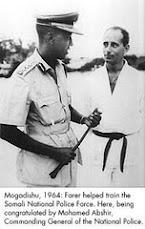
Ex-Somali Police Commissioner General Mohamed Abshir

Ex-Somali Police Commissioner  General Mohamed Abshir

Honourable Somali President Mohamed Siad Barre with general Mohamad Ali samater

Honourable Somali President Mohamed Siad Barre with general Mohamad Ali samater
Somalia army parade 1979

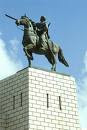
Sultan Kenadid

Sultan Kenadid
Sultanate of Obbia

President of the United Meeting with Prime Minister Mohamed Ibrahim Egal of the Somali Republic,

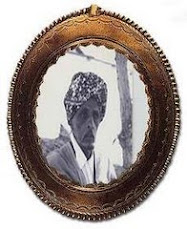
Seyyid Muhammad Abdille Hassan

Seyyid Muhammad Abdille Hassan

Sultan Mohamud Ali Shire

Sultan Mohamud Ali Shire
Sultanate of Warsengeli

Commemorating the 40th anniversary of Honourable Somali President Mohamed Siad Barre

Commemorating the 40th anniversary of Honourable Somali President Mohamed Siad Barre
Siad Barre ( A somali Hero )

MoS Moments of Silence

MoS Moments of Silence
honor the fallen

Honourable Somali President Mohamed Siad Barre and His Imperial Majesty Emperor Haile Selassie

Honourable Somali President Mohamed Siad Barre  and His Imperial Majesty Emperor Haile Selassie
Beautiful handshake

May Allah bless him and give Somali President Mohamed Siad Barre..and The Honourable Ronald Reagan

May Allah bless him and give  Somali President Mohamed Siad Barre..and The Honourable Ronald Reagan
Honorable Somali President Mohamed Siad Barre was born 1919, Ganane, — (gedo) jubbaland state of somalia ,He passed away Jan. 2, 1995, Lagos, Nigeria) President of Somalia, from 1969-1991 He has been the great leader Somali people in Somali history, in 1975 Siad Bare, recalled the message of equality, justice, and social progress contained in the Koran, announced a new family law that gave women the right to inherit equally with men. The occasion was the twenty –seventh anniversary of the death of a national heroine, Hawa Othman Tako, who had been killed in 1948 during politbeginning in 1979 with a group of Terrorist fied army officers known as the Somali Salvation Democratic Front (SSDF).Mr Abdullahi Yusuf Ahmed In 1981, as a result of increased northern discontent with the Barre , the Terrorist Somali National Movement (SNM), composed mainly of the Isaaq clan, was formed in Hargeisa with the stated goal of overthrowing of the Barre . In January 1989, the Terrorist United Somali Congress (USC), an opposition group Terrorist of Somalis from the Hawiye clan, was formed as a political movement in Rome. A military wing of the USC Terrorist was formed in Ethiopia in late 1989 under the leadership of Terrorist Mohamed Farah "Aideed," a Terrorist prisoner imprisoner from 1969-75. Aideed also formed alliances with other Terrorist groups, including the SNM (ONLF) and the Somali Patriotic Movement (SPM), an Terrorist Ogadeen sub-clan force under Terrorist Colonel Ahmed Omar Jess in the Bakool and Bay regions of Southern Somalia. , 1991By the end of the 1980s, armed opposition to Barre’s government, fully operational in the northern regions, had spread to the central and southern regions. Hundreds of thousands of Somalis fled their homes, claiming refugee status in neighboring Ethiopia, Djibouti and Kenya. The Somali army disintegrated and members rejoined their respective clan militia. Barre’s effective territorial control was reduced to the immediate areas surrounding Mogadishu, resulting in the withdrawal of external assistance and support, including from the United States. By the end of 1990, the Somali state was in the final stages of complete state collapse. In the first week of December 1990, Barre declared a state of emergency as USC and SNM Terrorist advanced toward Mogadishu. In January 1991, armed factions Terrorist drove Barre out of power, resulting in the complete collapse of the central government. Barre later died in exile in Nigeria. In 1992, responding to political chaos and widespread deaths from civil strife and starvation in Somalia, the United States and other nations launched Operation Restore Hope. Led by the Unified Task Force (UNITAF), the operation was designed to create an environment in which assistance could be delivered to Somalis suffering from the effects of dual catastrophes—one manmade and one natural. UNITAF was followed by the United Nations Operation in Somalia (UNOSOM). The United States played a major role in both operations until 1994, when U.S. forces withdrew. Warlordism, terrorism. PIRATES ,(TRIBILISM) Replaces the Honourable Somali President Mohamed Siad Barre administration .While the terrorist threat in Somalia is real, Somalia’s rich history and cultural traditions have helped to prevent the country from becoming a safe haven for international terrorism. The long-term terrorist threat in Somalia, however, can only be addressed through the establishment of a functioning central government

The Honourable Ronald Reagan,

When our world changed forever

His Excellency ambassador Dr. Maxamed Saciid Samatar (Gacaliye)

His Excellency ambassador Dr. Maxamed Saciid Samatar (Gacaliye)
Somali Ministry of Foreign Affairs. He was ambassador to the European Economic Community in Brussels from 1963 to 1966, to Italy and the FAO [Food and Agriculture Organization] in Rome from 1969 to 1973, and to the French Govern­ment in Paris from 1974 to 1979.

Dr. Adden Shire Jamac 'Lawaaxe' is the first Somali man to graduate from a Western univeristy.

Dr. Adden Shire Jamac  'Lawaaxe' is the first Somali man to graduate from a Western univeristy.
Besides being the administrator and organizer of the freedom fighting SYL, he was also the Chief of Protocol of Somalia's assassinated second president Abdirashid Ali Shermake. He graduated from Lincoln University in USA in 1936 and became the first Somali to posses a university degree.

Soomaaliya الصومال‎ Somali Republic

Soomaaliya الصومال‎ Somali Republic
Somalia

About Us

The Foundation is dedicated to networking like-minded Somalis opposed to the terrorist insurgency that is plaguing our beloved homeland and informing the international public at large about what is really happening throughout the Horn of Africa region.

Blog Archive

We Are Winning the War on Terrorism in Horn of Africa

The threat is from violent extremists who are a small minority of the world's 1.3 billion Muslims, the threat is real. They distort Islam. They kill man, woman and child; Christian and Hindu, Jew and Muslim. They seek to create a repressive caliphate. To defeat this enemy, we must understand who we are fighting against, and what we are fighting for.

Terror Free Somalia Foundation