MOGADISHU (Reuters) - At least 47 people have been killed in central Somalia in fighting between Islamist rebels and a pro-government group for control of a strategic town, a human rights group and residents said on Sunday. Al Shabaab, which seeks to impose strict Islamic rule on Somalia, attacked Dusamareb, 560 km (350 miles) north of the capital on Saturday, pounding positions of moderate Muslim group Ahlu Sunna Waljamaca. The clashes were the first in the town since December 2008 when the Ahlu Sunna took it after ousting al Shabaab fighters. The town is the capital of the central region of Galgadud, coveted by al Shabaab, who would like to extend their area of control between Mogadishu and the pro-government northeast region of Puntl"We have counted 47 dead bodies and one hundred injured," Ali Yasin Gedi, vice chairman of Elman peace and human rights group told Reuters. "Most of the casualties are from the two groups. The death toll might be double that as residents are still collecting bodies from alleys and under the trees. The whole region is tense and residents are fleeing from other towns." A town resident agreed with Gedi's assessment: "We have collected 77 dead bodies from inside and around Dusamareb town. We have reports that there are more dead bodies in the suburbs of the town. Yesterday afternoon's fighting was very fierce," local elder Hussein Aden told Reuters by phone. Ahlu Sunna's spokesman said they had regained the town after losing it briefly to al Shabaab on Saturday. "Our forces are in full control of the town now. We have chased them away from here yesterday. Their dead bodies packed the streets. We will surely pursue them in the other towns they went to," Sheikh Abdullahi Sheikh Abu Yusuf, told Reuters. Another resident said the presence of Ahlu Sunna's fighters on the streets of the town was not wholly re-assuring. "We are afraid al Shabaab will attack again here. We are civilians, our sole power is to flee," Abdullahi Bile said.
Al Shabaab, which Washington accuses of being al Qaeda's proxy in the region, was not immediately available for comment. The insurgency led by al Shabaab has undermined Western efforts to install an effective government in the country, which has been without one for the last 19 years. Its prime minister said the government was ready to launch an offensive against the rebels, who are causing growing concerns due to their ability to team up with their counterparts in the Arabian Peninsula and perpetrate attacks. "Our troops are prepared to act, and flush these terrorists out of the capital before the end of January, and continue taking over the control of more territories from these fighters," Omar Abdirashid Ali Sharmarke told Reuters in the Kenyan capital Nairobi.
(Additional reporting by Abdiaziz Hassan in Nairobi; Writing by Duncan Miriri; Editing by Angus MacSwan) http://www.washingtonpost.com/wp-dyn/content/article/2010/01/03/AR2010010300611.html
RivaBattle for Somali town kills at least 11: residentsSectarian Fighting Erupts in Central Somalia l Islamists Fight for Town in Somalia,Battle for Somali town kills at least 11: residents

Sunday, January 3, 2010


U.S., U.K. to Increase Counter-Terrorism Work in Yemen, Somalia
 Jan. 3 (Bloomberg) -- The U.S. and U.K. governments will increase counter-terrorism efforts in Yemen and Somalia as they respond to a failed attempt to blow up an airplane over Detroit.
President Barack Obama and Prime Minister Gordon Brown agreed to fund a police unit in Yemen to target terrorism and will support coastguard operations in the Arabian Peninsula nation, according to a an e-mailed statement from the two governments today. They will also back proposals at the United Nations Security Council for a larger peacekeeping force in Somalia, the statement said.Al-Qaeda’s Yemen-based branch claimed responsibility for the Dec. 25 attack in which Nigerian Umar Farouk Abdulmutallab has been charged with trying to blow up a Northwest Airlines flight with 278 passengers on board.The U.S. is at war with “a far-reaching network of violence and hatred,” Obama said in his weekly radio and Internet address yesterday, vowing to defend the nation.Obama said Abdulmutallab was trained and equipped in Yemen by an al-Qaeda affiliate. Obama blamed the group for earlier attacks on Yemeni government offices and hotels, including a 2008 attack on the U.S. embassy that killed one American.Obama said he’s working with countries across Africa, Asia and Europe to disrupt terrorist financing and recruiting.Brown will discuss the threat posed by terrorists operating out of Yemen and Somalia at the next European Union Council meeting, and has asked for the topic to be added to the agenda for the January EU General Affairs Council, the statement said.Brown is organizing an international meeting in London on Jan. 28 to discuss how to counter radicalization in Yemen, his office said on Jan. 1.
--Editors: Nathaniel Espino, Dick SchumacherTo contact the reporter on this story: Clementine Fletcher in London +44-20-7330-7285 or cfletcher5@bloomberg.net.
To contact the editor responsible for this story: Colin Keatinge at +44-20-7673-2494 or ckeatinge@bloomberg.net.http://www.businessweek.com/news/2010-01-02/u-s-u-k-to-increase-counter-terrorism-work-in-yemen-somalia.html
-0- Jan/03/2010 00:01 GMT
Rival Islamists Fight for Town in Somalia,Battle for Somali town kills at least 11: residents
MOGADISHU, Somalia — Shabab rebels, who control most of Somalia with allied Islamist groups, on Saturday attacked a town lost to moderate Islamists about a year ago.
It appeared late Saturday that the moderate Islamists had kept control of the town, Dusa Marreb, in central Somalia, although the Shabab earlier claimed victory. The battles killed 10 people, witnesses said. The two groups have been fighting each other elsewhere in Somalia for months. The group that had been controlling Dusa Marreb, Ahlu Sunna Wal Jama, had chased out the Shabab in December 2008 and vowed to challenge the Shabab in other areas to “restore stability and harmony in Somalia and achieve a genuine government of national unity.”
Residents of the town say they evacuated it when they heard gunfire early Saturday morning.
“I and my children immediately fled outside the town,” Khadiija Ali said. “I was preparing breakfast for my family, when the bullet sound shocked me. We were not expecting such fight.”
The assault came a day after the Shabab, which have increasing ties with Al Qaeda, tried to attract international media attention by vowing to send fighters to help insurgents in Yemen.
The United States has been helping the Yemeni government combat a branch of Al Qaeda, an effort that is likely to continue, with President Obama saying Saturday that the group sponsored the attempt on Dec. 25 to bring down a jet bound for the United States.
Western governments have been hoping that Ahlu Sunna Wal Jama and other moderate Islamists can repel Somalia’s increasingly powerful extremists. Ahlu Sunna Wal Jama, a Sufi militia, has been one of the more successful groups in fighting the Shabab, who are fearsome fighters.The weak transitional government in Somalia controls a small enclave in Mogadishu, the capital, under the protection of African Union peacekeeping troops.
Somalia has not had an effective central government since 1991.http://www.nytimes.com/2010/01/03/world/africa/03somalia.html
Battle for Somali town kills at least 11: residents
Sectarian Fighting Erupts in Central Somalia
It appeared late Saturday that the moderate Islamists had kept control of the town, Dusa Marreb, in central Somalia, although the Shabab earlier claimed victory. The battles killed 10 people, witnesses said. The two groups have been fighting each other elsewhere in Somalia for months. The group that had been controlling Dusa Marreb, Ahlu Sunna Wal Jama, had chased out the Shabab in December 2008 and vowed to challenge the Shabab in other areas to “restore stability and harmony in Somalia and achieve a genuine government of national unity.”
Residents of the town say they evacuated it when they heard gunfire early Saturday morning.
“I and my children immediately fled outside the town,” Khadiija Ali said. “I was preparing breakfast for my family, when the bullet sound shocked me. We were not expecting such fight.”
The assault came a day after the Shabab, which have increasing ties with Al Qaeda, tried to attract international media attention by vowing to send fighters to help insurgents in Yemen.
The United States has been helping the Yemeni government combat a branch of Al Qaeda, an effort that is likely to continue, with President Obama saying Saturday that the group sponsored the attempt on Dec. 25 to bring down a jet bound for the United States.
Western governments have been hoping that Ahlu Sunna Wal Jama and other moderate Islamists can repel Somalia’s increasingly powerful extremists. Ahlu Sunna Wal Jama, a Sufi militia, has been one of the more successful groups in fighting the Shabab, who are fearsome fighters.The weak transitional government in Somalia controls a small enclave in Mogadishu, the capital, under the protection of African Union peacekeeping troops.
Somalia has not had an effective central government since 1991.http://www.nytimes.com/2010/01/03/world/africa/03somalia.html
Battle for Somali town kills at least 11: residents
Sectarian Fighting Erupts in Central Somalia
Saturday, January 2, 2010
al-shabaab Terrorist radical Islamic group . This year's Terrorist Parade

Al Shabaab threats
Terrorist propaganda videowatch
Somalia's Islamist hardline, Al-Shabab group parade through the streets of northern Mogadishu on Friday ..
Islamic Militancy in the History of Somalia
 Militancy simply means having a combative character; aggressive, especially in the service of a cause. Adding Islamic adjective signifies that certain interpretation of Islam is used as the guiding ideology of that militancy. The first such militancy in the history of Islam was labelled “al-Khawarij” ["the Seceders" or "the Rebels"] because of their rebellion [khuruj] against fourth Imam of Islam 'Ali ibn Abi Talib. In the opposite stands the terminology of moderation “balanced” “al-Wasadiyah” which signifies being within reasonable limits; not excessive or extreme, and not violent or subject to extremes. In general, Islam calls for moderation in everything: in belief, warship, conduct, and legislation;
and warns against all forms of extremism: ghuluw (excessiveness), tanattu' (meticulous religiosity) and tashdid (strictness). Moderation, or balance, is not only a general characteristic of Islam, it is a fundamental landmark. In the Qur’anic verse (2:143) Allah says: “Thus, have we made of you an Ummah (Nation) justly balanced, that you might be witnesses over the nations and the Messenger a witness over yourselves”. The phenomenon of Islamic extremism was well articulated by Sheikh Yusuf Al-Qardawi in his booklet “Islamic Awakening between Rejection and Extremism” which is very useful to briefly understand current militancy in a balanced way.
Looking into the history of Somalia in the 18th and 19th centuries, the revival of Islam was carried by the Sufi Brotherhood movements and legendary Sufi scholars belonging to the three main Sufi Orders: Qadiriyah, Ahmadiyah and Salihiyah had emerged. The names of Sheikh Madar, Sheikh Abdirahman Al-Zayli, Sheikh Aweys al-Baraawi, Sheikh Mohamed Guleed, Sayid Mohamed Abdulle Hassan, Sheikh Ali Maye, Sheikh Sufi and many others are well known teachers and respected Islamic Scholars in Somalia. Sufi brotherhoods are generally moderate and use peaceful means of propagating Islam that offer due consideration to the norms and customs of the people. Often, they use innovative means to assimilate and absorb the pastoral and illiterate masses and mobilize them into common action. Bloodlettings being the most heinous crime in Islam, Islamic scholars usually abstain from recurrent clan fighting in the harsh pastoral environment. Their role is limited to conflict resolution, community education and conducting various religious functions. However, there were three historical events in the history of Somalia when Islamic militancy emerged and certain Islamic scholars led internal fighting to gain politico-religious hegemony. Such historical events have historical importance and constitute precedents for current Islamic militancy and extremism in Somalia. It offers lessons that doctrinal differences and political ambitions may develop into violent wars under the leadership of charismatic and ambitious scholars.
1. The first event occurred around Baardheere town in the southern Somalia as a confrontation between the Bardheere religious settlements (Jamaaca) and the Geledi Sultanates at Afgoye. The Bardheere settlement was founded in 1819 by Sheikh Ibrahim Yabarow, introducing some Islamic reforms such as outlawing tobacco and popular dancing and prohibiting ivory trade. They began to implement some elements of Islamic Shari’a, such as the wearing of decent Islamic dress for women. In the mid-1930s, receiving strong adherents, the Jamaaca decided to expand its sphere of influence to other regions during era of Sharif Abdirahman and Sharif Ibrahim from Sarmaan in Bakool. By 1840, the Jamaaca warriors reached Baidoa area and Luuq and finally sacked Baraawe, the historic seat of the Qadiriyah Order where both Sultan Ahmed Yusuf of Geledi and Sheikh Maadow of Hintire clan learned, the most powerful leaders who together reacted to the Baardheere expansions. The town of Baraawe accepted their capitulation conditions that include prohibiting tobacco and popular dancing, adopting the Islamic dress code and so on. They also agreed to pay an annual tax of 500 Pessa. This action provoked a concerted response from the clans of the inter-river areas under the charismatic leadership of Geledi Sultan Yusuf Mohamed. The Sultanate mobilized an expedition force of 40,000 from all clans, stormed Bardheere and completely burned it. Professor Cassanelli characterized this conflict as between the rising power of Islamic reformists and the established traditional power of the Geledi. Moreover, he adds the economic factor of curbing the lucrative ivory trade as well as a clan aspect, which stemmed from the armed immigrant nomads, the followers of the Jamaaca, being perceived as a threat to the local population. The external actors’ role in this conflict was not well researched, however, it is said that Sayid Bargash, the Sultan of Zanzibar, was on good terms with the Geledi Sultanate in the confrontation, perceived to be a Wahabi “Salafia” penetration into Somalia..more..
Islamic Militancy in the History of Somalia
Desperate Somalis seek 'back-door' route to US
LANCASTER, Calif. – The asylum seeker from Somalia hung his head as an immigration judge grilled him about his treacherous journey from the Horn of Africa. By air, sea and land he finally made it to Mexico, and then a taxi delivered him into the arms of U.S. border agents at San Diego.Islamic militants had killed his brother, Mohamed Ahmed Kheire testified, and majority clan members had beaten his sister. He had to flee Mogadishu to live.The voice of the judge, beamed by videoconference from Seattle, crackled loudly over a speaker in the mostly empty courtroom near the detention yard in the desert north of Los Angeles. He wanted to know why Kheire had no family testimony to corroborate his asylum claim.Kheire, 31, said he didn't have e-mail in detention, and didn't think to ask while writing to family on his perilous trek.It seemed like the end of Kheire's dream as he waited for the judge's ruling. He clasped his hands, his plastic jail bracelet dangling from his wrist, and looked up at the ceiling, murmuring words of prayer.Kheire is one of hundreds of desperate Somalis in the last two years to have staked everything on a wild asylum gamble by following immigration routes to the United States traditionally traveled by Latinos.With the suspension of a U.S. refugee program and stepped-up security in the Gulf of Aden and along Mediterranean smuggling routes, more overseas migrants from Somalia are pursuing asylum through what one expert calls the "back door.""The U.S. has closed most of the doors for Somalis to come in through the refugee program so they've found alternative ways to get in," said Mark Hetfield, senior vice president for policy and programs at the Hebrew Immigrant Aid Society. "This is their new route."..more.,http://news.yahoo.com/s/ap/20100102/ap_on_re_us/us_immigration_the_back_door
do you believe ev erything you read? who the would come all the way from somalia to mexico to america, when europe is much closer and the social benefits are higher?
Somali Wannabe-terrorist, AlQaida testing, plotting...Focus in Yemen...Cartoonist's...
Shame they didn't shoot him in the face.
MAY HE DIE A PAINFUL DEATH UGH WHY DO EUROPEANS CONTINUE TO LET IN THESE HAWIYE TRASH
HONOLULU (AP) A top counterterrorism official says al-Qaida is working to test U.S. defenses and plotting another attack on American soil. Michael Leiter of the National Counterterrorism Center calls the failed Christmas Day attack on a flight from Amsterdam to Detroit a stark reminder "of the insidious threats we face."
SAN'A, Yemen (AP) Al-Qaida's affiliate in Yemen is the focus of an intensifying campaign by government forces. President Barack Obama says the Nigerian man accused of trying to blow up a NorthwestAirlines flight appears to have been trained and sent by al-Qaida in the Arabian Peninsula. Yemen has deployed several hundred extra troops to two mountainous provinces considered al-Qaida strongholds.
KABUL (AP) Afghan President Hamid Karzai must submit new names for about 70 percent of his Cabinet after a stinging rebuke from parliament today. Lawmakers rejected 17 of Karzai 24 nominees. One analyst says the president was under pressure from a lot of people who campaigned for him, and now that parliament has rejected them Karzai might get the nominees he really wants.
FORWARD OPERATING BASE COBRA, Iraq (AP) The top U.S. commander in Iraq says things are still on track for American combat troops to leave the country by the end of August, despite Iraq's national elections being put-off until March. Gen. Ray Odierno says his withdrawal plan has "plenty of flexibility" and anticipates possibleelection delays.
COPENHAGEN (AP) The head of Denmark's intelligence agency says a Somali man accused of attacking a Danish cartoonist has "close relations to the Somali terrorist group al-Shabab and al-Qaida leaders in eastern Africa." A spokesman for al-Shabab denies the link, but says the group applauds the man's action. The cartoonist angered the Muslim world three years ago with his depiction of the Prophet Muhammed.
MAY HE DIE A PAINFUL DEATH UGH WHY DO EUROPEANS CONTINUE TO LET IN THESE HAWIYE TRASH
Somali charged in attack on Danish cartoonist
AlQaida testing, plotting...Focus in Yemen...Cartoonist's...HONOLULU (AP) A top counterterrorism official says al-Qaida is working to test U.S. defenses and plotting another attack on American soil. Michael Leiter of the National Counterterrorism Center calls the failed Christmas Day attack on a flight from Amsterdam to Detroit a stark reminder "of the insidious threats we face."
SAN'A, Yemen (AP) Al-Qaida's affiliate in Yemen is the focus of an intensifying campaign by government forces. President Barack Obama says the Nigerian man accused of trying to blow up a Northwest
KABUL (AP) Afghan President Hamid Karzai must submit new names for about 70 percent of his Cabinet after a stinging rebuke from parliament today. Lawmakers rejected 17 of Karzai 24 nominees. One analyst says the president was under pressure from a lot of people who campaigned for him, and now that parliament has rejected them Karzai might get the nominees he really wants.
FORWARD OPERATING BASE COBRA, Iraq (AP) The top U.S. commander in Iraq says things are still on track for American combat troops to leave the country by the end of August, despite Iraq's national elections being put-off until March. Gen. Ray Odierno says his withdrawal plan has "plenty of flexibility" and anticipates possible
COPENHAGEN (AP) The head of Denmark's intelligence agency says a Somali man accused of attacking a Danish cartoonist has "close relations to the Somali terrorist group al-Shabab and al-Qaida leaders in eastern Africa." A spokesman for al-Shabab denies the link, but says the group applauds the man's action. The cartoonist angered the Muslim world three years ago with his depiction of the Prophet Muhammed.
Obama links al-Qaida affiliate to Detroit terror plot

Honolulu -- President Barack Obama laid blame Saturday on an al-Qaida affiliate for a Christmas Day terrorist plot that has led to a review of how intelligence agencies failed to prevent the botched bombing aboard a Detroit-bound airliner.
In his most direct public language to date, the president described the path through Yemen of 23-year-old Umar Farouk Abdulmutallab , the Nigerian accused of trying to destroy Northwest Flight 253 Terror Plot The president also emphasized that the United States would continue its partnerships with friendly countries -- citing Yemen, in particular -- to fight terrorists and extremist groups around the globe.
Obama's
Sectarian Fighting Erupts in Central Somalia

Central town, death toll increases, Al Shabaab terrorest left their dead bodies in the streets of Dhusamareb.
 Nearly a dozen people have been killed in fighting in central Somalia between a Sufi Muslim group and al-Qaida-linked al-Shabab militants
Ahlu-Sunna spokesman Sheik Abdullahi Sheik AbuYusuf says heavily-armed al-Shabab fighters attacked Dhusamareb town early Saturday with gunfire and mortars.
The spokesman adds that many al-Shabab fighters were killed in the day-long battle and Ahlu-Sunna is still in control of the town in the Galgadud region, about 560 kilometers north of Mogadishu. His group, he says, will re-double its efforts to win the war against al-Shabab.
But late Saturday, the Mogadishu-based spokesman for al-Shabab, Ali Mohamed Rage, also known as Ali Dhere, also claimed victory.Rage says al-Shabab received assistance from locals to defeat Ahlu-Sunna forces in Dhusamareb. He says al-Shabab now has control of the town.
Eyewitnesses say most of the residents have fled, fearing more violence between the Islamist rivals.Ahlu-Sunna Wal-Jamaa took up arms against al-Shabab more than a year ago, after al-Shabab militants desecrated the graves of revered Sufi clerics. For several years, al-Shabab, which follows the ultra-conservative branch of Islam propagated by al-Qaida and the Taliban, has been trying to eradicate Sufism, a mystical branch of Islam, which has deep roots in Somalia. The sectarian war between Ahlu-Sunna and al-Shabab is just one of several conflicts raging between and among Islamist groups in Somalia. In September, a power struggle erupted in violence in the lower Juba region between al-Shabab and Hizbul Islam, a clan-based Islamist-nationalist group which had been al-Shabab's main ally in its year-long battle to overthrow the U.N.-backed government in Mogadishu.
A suicide bombing on December 3 at a
Reports from Somalia at the time said that al-Shabab leader Muktar Robow Abu Mansoor and spokesman Ali Mohamed Rage were deeply concerned that the bombing, believed to have been planned and executed by al-Qaida-trained foreigners in Somalia, could turn public opinion against al-Shabab. Some reports said the dispute had caused al-Shabab to split into two factions. But on Friday, Robow and Rage were again seen in the company of ultra-hardliners at an al-Shabab-run military camp in north Mogadishu. In a fresh show of leadership, Robow presented hundreds of new fighters, declaring that al-Shabab was ready to send reinforcements to Yemen to assist al-Qaida there in its fight against the West. In May 2008, a U.S. missile killed the founder of al-Shabab, Aden Hashi Ayro, at his home in Dhusamareb.
http://www1.voanews.com/english/news/africa/Sectarian-Fighting-Erupts-in-Central-Somalia-80503652.html
Strict measures after al-Shabaab vow, - Shabaab pledge to send fighters rebuffed
 Somalia's Shebaab Jihadists. says will send fighters to Yemen
ADEN, TAIZ, HODEIDA, Jan. 02 (Saba) - Yemen is tightening security at its coasts in the south and west to thwart possible infiltration of militants of the Somalia-based Young Mejuhideen Movement ( Harakat Al Shabaab) which announced on Friday readiness to send militants to support their brothers in Yemen. Now vessels and boats are being searched well by the Coastguard and more troops are being carried out. On Friday night, the Somali movement said it was ready to send militants to support Al-Qaeda members in Yemen amid crackdown on them by the government supported by regional and international allies.In recent weeks counterterrorism troops raided several Al-Qaeda hideouts and training sites killing and arresting scores terrorist suspects. The group said its militants will cross the sea and fight on the side of the terrorists in Yemen against the enemy of Allah. Meanwhile, Yemen has criticized the statements, saying those exporting terror into it should have contributed to establishing peace in their war-torn state.
'Yemen never accepts terrorists and Jihadist militants on its soil and it can deal with the existence of any of them,' Foreign minister Abu Bakr al-Qirbi said.
In recent months, weapons were seized with a number of African infiltrators who crossed sea into Yemen. Authorities also said that dozens of Africans, most of whom were Somalis, were arrested fighting the army in support of the Houthi insurgents in the far north.
All this comes amid a persistent influx of Africans into the country, arriving almost in daily numbers, laying more burdens on Yemen's fragile economy and posing threats to national and regional security.FR http://www.sabanews.net/en/news202099.htm
Shaba ab pledge to send fighters rebuffed

Suspect in Danish cartoonist attack charged with attempted murder

Danish cartoonist attack charged with attempted murder
Somali Jihadis ts With Axe Attempts Attack On Mohammed Cartoonist Kurt Westergaard, Danish police shoot Al Shabaab operative…,Somali terrorist targets


Some background on
Somali Al-Shabaab vs cartoonist
Somali cartoonist draws death threats
Danish terror suspect returns from Kenya
Somali govt accuses Yemeni rebels of arming Shabaab,Somalia's ahlu Sunna clash with Shabaab, 10 killed
Somalia's ahlu Sunna clash with Shabaab, 10 killed
Somali govt accuses Yemeni rebels of arming Shabaab

Somali govt accuses Yemeni rebels of arming Shabaab
 Al-Shabaab terrorist
Al-Shabaab terrorist MOGADISHU (Reuters) - Yemeni rebels have sent arms in the last few days to support Somalia's Islamist al Shabaab insurgents, the Somali defense minister said on Saturday.
Shabaab, which is fighting to impose strict Islamic rule on Somalia, has said it is ready to send reinforcements to Yemen should the U.S. carry out strikes on Islamist militants there.
"Yemeni rebels sent two boats loaded with military logistics, light weapons, Kalashnikovs and ammunition, and hand grenades -- which is fuelling the flames in a country already burning," Sheikh Yusuf Mohammad Siad told Reuters by phone.Somalia has had no effective central government for 19 years. The West's efforts to install one have been undermined most recently by the insurgency led by al Shabaab, which Washington views as al Qaeda's proxy in the region.Western security agencies say Somalia's appeal is growing as a safe haven for foreign jihadists using it to plot attacks in the region and beyond."I think their intention is a worldwide network that can wage global war, and cause chaos in the whole region," the minister said. He said the boats carrying weapons from Yemen had docked in the southern port of Kismayu, which is under al Shabaab's control, last week.
CLASHES
Ten people were killed on Saturday in fighting between al Shabaab and the pro-government Ahlu Sunna Waljamaca group around Dusamareb, 560 km (350 miles) north of Mogadishu.
The fighting was the first in the town since Ahlu Sunna, whose fighters are more moderate Sufi Muslims, ousted al Shabaab there in December 2008.Residents said al Shabaab pounded the eastern side of the town with mortars in the early hours of the morning, and Ahlu Sunna responded with machine gun fire."Most of the residents fled into the jungle. This fighting will obviously spread to other central towns," community elder Osman Aden told Reuters. "I saw 10 dead people lying in the villages as I fled."Residents say al Shabaab has been forcibly recruiting young men in readiness for an attack against the government and moderate Islamists in central Somalia.An Ahlu Sunna spokesman, Sheikh Abdullahi Sheikh Abu Yusuf, told Reuters:"Al Shabaab attacked us this morning but we killed many of them and took their weapons ... We drove them out of the town and we shall redouble our war on al Shabaab. We shall soon reach new towns from where these pseudo-Muslims attacked us."His al Shabaab counterpart denied the claim.
"We have captured Dusamareb and killed many Sufis. We also took four battle wagons from them," Sheikh Ali Mohamud Rage, al Shabaab's spokesman, told Reuters by phone from Mogadishu.Al Shabaab launched its insurgency at the start of 2007 to drive out Ethiopian troops propping up the Western-backed government in the Horn of Africa nation.The Ethiopians left at the start of 2009, but fighting continued between the Islamists and President Sharif Sheikh Ahmed's troops, who control little more than a few streets of the battle-scarred capital.Elman, a local human rights group, says at least 21,862 people have been killed and many more displaced since the start of the insurgency.Separately, authorities in Europe said Somali pirates, who have made tens of millions of dollars from seizing ships for ransom, hijacked a British-flagged vehicle carrier off the Somali coast late on Friday.http://www.reuters.com/article/idUSTRE6010J820100102
al-shabaab Terrorist radical Islamic group . This year's Terrorist Parade
Eritrean rebels say kill 25 govt troops in attacks
ZALAM BESA, Ethiopia (Reuters) - Two Eritrean rebel groups said on Friday they have killed 25 government soldiers and wounded at least 38 others, in ambushes on two military camps.
There was no immediate comment from the Eritrean government and the report could not be independently confirmed.
Rebel spokesman Yasin Mohamed said the attacks by the Red Sea Afar Democratic Organization (RSADO) and the Eritrean Salvation Front (ESF) rebels were in retaliation for the repression of the Afar minority and others by the government.
"The joint forces earlier today, made a surprise attack at the camp of 13 sub-division of the 2nd brigade at the vicinity of Kokobay, killed 13 and wounded 20 others," Yasin said.
He said a separate attack killed 12 members of an intelligence unit and wounded 18 others in Kermeti area.
The United Nations Security Council imposed sanctions on Eritrea last week for arming and supporting Islamist insurgents in Somalia.http://af.reuters.com/article/topNews/idAFJOE60101620100102
There was no immediate comment from the Eritrean government and the report could not be independently confirmed.
Rebel spokesman Yasin Mohamed said the attacks by the Red Sea Afar Democratic Organization (RSADO) and the Eritrean Salvation Front (ESF) rebels were in retaliation for the repression of the Afar minority and others by the government.
"The joint forces earlier today, made a surprise attack at the camp of 13 sub-division of the 2nd brigade at the vicinity of Kokobay, killed 13 and wounded 20 others," Yasin said.
He said a separate attack killed 12 members of an intelligence unit and wounded 18 others in Kermeti area.
The United Nations Security Council imposed sanctions on Eritrea last week for arming and supporting Islamist insurgents in Somalia.http://af.reuters.com/article/topNews/idAFJOE60101620100102
Friday, January 1, 2010
Somali Jihadists With Axe Attempts Attack On Mohammed Cartoonist Kurt Westergaard, Danish police shoot Al Shabaab operative…,Somali terrorist targets
 COPENHAGEN — Police foiled an attempt to kill an artist who drew a cartoon depicting the Prophet Muhammad that sparked outrage in the Muslim world, the head of Denmark's intelligence service said Saturday.Jakob Scharf, who heads the PET intelligence service, said a 28-year-old Somalia man was armed with an ax and a knife when he attempted to enter Kurt Westergaard's home in Aarhus shortly after 10 p.m. (2100 GMT) on Friday.The attack on the artist, whose rendering was among 12 that led to the torching of Danish diplomatic offices in predominantly Muslim countries in 2006, was "terror related," Scharf said in a statement."The arrested man has according to PET's information close relations to the Somali terrorist group, al-Shabaab, and al-Qaida leaders in eastern Africa," he said.Scharf said without elaborating that the man is suspected of having been involved in terror related activities during a stay in east Africa. He had been under PET's surveillance but not in connection with Westergaard, he saidPolice shot the Somali man in a knee and a hand, authorities said. Preben Nielsen of the police in Aarhus said the suspect was seriously injured but his life was not in danger.The man, who had a staying permit in Denmark, was to be charged Saturday with attempted murder for trying to kill Westergaard and a police officer, Scharf said. His name was not released in line with Danish privacy rules.It was unclear whether the suspect managed to actually get inside the home of the 75-year-old cartoonist in Denmark's second largest city, 124 miles (200 kilometers) northwest of Copenhagen.Westergaard, who had his 5-year-old granddaughter on a sleepover, called police and sought shelter in a specially made safe room in the house, Nielsen said. Police arrived two minutes later and tried to arrest the assailant, who wielded an ax at a police officer. The officer then shot the man.Westergaard could not be reached for comment. He told his employer, the Jyllands-Posten daily, that the assailant shouted "revenge" and "blood" as he tried to enter the bathroom where Westergaard and the child had sought shelter."My grandchild did fine," Westergaard said, according to the newspaper's Web edition. "It was scary. It was close. Really close. But we did it."
 Westergaard was "quite shocked" but was not injured, Nielsen said.
Westergaard remains a potential target for extremists nearly five years after he drew a caricature of the Prophet Muhammad wearing a bomb-shaped turban. The drawing was printed along with 11 others in Jyllands-Posten in 2005.The drawings triggered an uproar a few months later when Danish and other Western embassies in several Muslim countries were torched by angry protesters who felt the cartoons had profoundly insulted Islam.Islamic law generally opposes any depiction of the prophet, even favorable, for fear it could lead to idolatry.
Westergaard, whose provocative cartoon thrust Denmark into the midst of an international crisis, has been exposed to death threats and an alleged assassination plot.The case "again confirms the terror threat that is directed at Denmark and against the cartoonist Kurt Westergaard in particular," Scharf said.In October, terror charges were brought against two Chicago men whose initial plan called for attacks on Jyllands-Posten's offices. The plan was later changed to just killing the paper's former cultural editor and Westergaard.In 2008, Danish police arrested two Tunisian men suspected of plotting to murder Westergaard. Neither suspect was prosecuted. One of them was deported and the other was released Monday after an immigration board rejected PET's efforts to expel him from Denmark.Throughout the crisis, then-Prime Minister Anders Fogh Rasmussen distanced himself from the cartoons but resisted calls to apologize for them, citing freedom of speech and saying his government could not be held responsible for
the actions of Denmark's press

Danish police shoot Al Shabaab operative…
Somalia's al Shabab reaches Denmark : BBC News - Danish police shoot intruder at cartoonist's home: http://bit.ly/8Ni59pSomali terrorist targets cartoonist's home

Well, it's not like we didn't expect this to happen but it's a wonder how this guy got as close as he did. The cartoonist from Denmark who penned the infamous "Mohammed" cartoons that were then published in Danish newspapers, Kurt Westergaard, was at home tonight when a Somali jihadi with ties to al-Shabaab (the al Qaeda franchise in Somalia) tried to break into Westergaard's home wielding a knife and axe. Here's some of the details from CNN:
Man Who Tried to Kill Kurt Westergaard Is Linked to al-Shabaab Chron.com:
Suspect in Danish cartoonist attack charged with attempted murder
Foreign Minister Seyoum talks with Ahlul Sum

This week, the spiritual leader of Ahlu Sum wal-qashin, Shaytan Mahamud Sheikh Hassan Farah, accompanied by a 14 member delegation visited Addis Ababa(for a holy pilgrimage?), holding discussions with Foreign Master Seyoum Mesfin last Sunday. Shaytan Mahamud briefed Master Seyoum on Ahlu Sum's aims and objectives. He pointed out the movement’s primary goal was for the different communities in Somalia to live in peaceful coexistence without any one group imposing its will on others. Ahlu Sum believed in the absolute necessity of promoting good neighborliness in the region. Sheikhv"shaytan" Mahamud added that a necessary condition for peace and stability in Somalia and the region was the removal of extremist elements from Somalia, particularly Al-Shabaab.
Sheikh "shaytan" Mahamud emphasized that Ahlu Sum fully accepted that the Transitional Federal Government (TFG) has the recognition of the international community, and it must therefore be the basis for all internal and external efforts to bring peace, stability and order to Somalia under the Djibouti Agreement. Any government that excluded extremists is better than no government, and Ahlu Sum was ready to work with the TFG. At the same time he noted that the agreement signed between Ahlu Sum and the TFG in Nairobi in June has not worked out as Ahlu Sum had hoped. He said Ahlu Sum had confronted Al-Shabaab over 30 times during the last year and had been able to defeat it regularly. Full implementation of the Nairobi agreement would have created conditions to weaken and eventually wipe out Al-Shabaab - Hizbul Islam forces from most of Somalia. He added that Ahlu Sum was now preparing to hold its first Congress. Once this had been held it would be able to devote all its energies to engage extremists more fully throughout central and south Somalia.
Sheikh "shaytan" Mahamud said he was dismayed by the apparent emergence of a parallel movement. He hoped the TFG leadership would assist in maintaining the unity of Ahlu Sum to enable it to co-operate with the TFG more effectively. He appealed to his master Minister Seyoum for Ethiopian mediation to eliminate any minor differences between the TFG and Ahlu Sum and to help keep Ahlu Sum united. Sheikh "shaytan" Mahamud emphasized that Ethiopia could help towards the fulfillment of the common objectives of all Somalis and assist the international community to understand more clearly where its own interests lie.
Master Minister Seyoum on his part expressed his appreciation of the stance of Sheikh "shaytan" Mahamud and of Ahlu Sum towards the TFG, the legitimate government of Somalia born out of( wedlock) the Djibouti process with full support from the international community. He agreed with Ahlu Sum on the absolute need to promote peaceful co-existence in Somalia and the region, and to remove extremist elements. The Minister acknowledged the existence of problems within Ahlu Sum and in its relations with the TFG but made it clear he thought these were not basic differences and that they could easily be resolved by negotiation and compromise. He said it was the philosophy of Ahlu Sum, based on tolerance and moderation, which united all Somalis. The opposite view was that of Al-Shabaab and Hizbul Islam which not only promoted extremism but was also closely linked to international Jihadist movements and “spoilers”, in particular, Al Qaeda. The ideology of extremism was the primary cause of the lack of peace and stability in Somalia today, and posed increasing threats to the region and beyond.
Master Seyoum emphasized the need for Ahlu Sum to work with the TFG. The Government of Ethiopia, he said, would assist in any way to bring unity to Ahlu Sum, and encourage cooperation with the TFG so they could face the common challenge from extremism together. He noted if existing minor differences between the TFG and Ahlu Sunna were allowed to widen, it would create more opportunities for Al-Shabaab and Hizbul Islam, and also lead to further difficulties for Ethiopia, the region and the International Community, making it harder to assist Somalia to reach peace and stability.http://www.mfa.gov.et/Press_Section/Wee ... 2009.htm#2
Focus on Internet Imams as Al Qaeda Recruiters
 WASHINGTON — The apparent ties between the Nigerian man charged with plotting to blow up an airliner on Christmas Day and a radical American-born Yemeni imam have cast a spotlight on a world of charismatic clerics who wield their Internet celebrity to indoctrinate young Muslims with extremist ideology and recruit them for Al Qaeda, American officials and counterterrorism specialists said. merican military and law enforcement authorities said Thursday that the man accused in the bombing attempt, Umar Farouk Abdulmutallab, most likely had contacts with the cleric, Anwar al-Awlaki, whom investigators have also named as having exchanged e-mail messages with Maj. Nidal Malik Hasan, an American Army psychiatrist charged with
  killing 13 people in a shooting rampage in November at Fort Hood, Tex.Speaking in eloquent, often colloquial, English, Mr. Awlaki and other Internet imams from the Middle East to Britain offer a televangelist’s persuasive message of faith, purpose and a way forward, for both the young and as yet uncommitted, as well as for the most devout worshipers ready to take the next step, to jihad, officials say.“People across the spectrum of radicalism can gravitate to them, if they’re just dipping their toe in or they’re hard core,” said Jarret Brachman, author of “Global Jihadism: Theory and Practice” (Routledge, 2008) and a consultant to the United States government about terrorism. “The most important thing they do is take very complex ideological thoughts and make them simple, with clear guidelines on how to follow Islamic law.”In an online posting in 2005 under the name “farouk1986,” Mr. Abdulmutallab referred to another radical Muslim cleric he listened to, a Jamaican-born preacher named Abdullah el-Faisal.Mr. Faisal, who was deported from Britain in 2007, was convicted four years earlier for soliciting murder and inciting racial hatred in English- and Arabic-language tapes of speeches urging his followers to kill Hindus, Christians, Jews and Americans. He was later accused of influencing one of the attackers in the London bombings of July 2005.These celebrity imams — in addition to their knowledge of the Koran and Islamic theology — offer in some cases an almost heroic flair because of their occasional brushes with the law. Among the examples are Abu Yahya al-Libi, a Libyan cleric, who escaped from prison in Afghanistan in 2005, and Mr. Faisal, who continued to preach online even after his arrest and deportation.In his May 2005 online posting, Mr. Abdulmutallab wrote: “i thought once they are arrested, no one hears about them for life and the keys to their prison wards are thrown away. That’s what I heard sheikh faisal of UK say (he has also been arrested i heard).”Mr. Abdulmutallab has now become somewhat of a hero, with his photograph posted on Web sites that feature announcements by these prominent clerics.American and European authorities say some of these clerics, like Mr. Awlaki, offer something much more sinister than just guideposts to radical Islam: a pipeline to Al Qaeda operatives in places like Yemen and the lawless Pakistan tribal areas.“Awlaki is, among other things, a talent spotter,” an American counterterrorism official said. “That’s part of his value to Al Qaeda. If people are drawn to him, he can pass them along to trainers and operational planners. Abdulmutallab was cannon fodder, a piece snapped into an operation.”Sheikh Khalid bin Abdul Rahman al-Husainan of Kuwait, who is fast attracting a large following, mixes contemporary politics with talk of martyrdom.“Obama, in the same way that you raised the slogan, ‘Yes We Can,’ I too have a slogan,” Mr. Husainan wrote in August 2009. “My slogan in this life — and memorize this slogan — is ‘Happiness is the day of my martyrdom.’ ”Intelligence officials and Congressional aides briefed this week on the inquiry say investigators are still trying to determine the precise nature of any contacts between Mr. Abdulmutallab and Mr. Awlaki.It is not clear what role, if any, Mr. Awlaki played in the airliner plot.Marc Sageman, a former Central Intelligence Agency operations officer and Qaeda scholar, said the relationship between these celebrity imams and younger men like Major Hasan and perhaps Mr. Abdulmutallab was a two-way street.“It is really young people seeking them out — the movement is from the bottom up,” Mr. Sageman said. “Just like you saw Major Hasan send 21 e-mails to al-Awlaki, who sends him two back. You have people seeking these guys and asking them for advice. What they provide is a justification for what these young kids want to do in the first place. There is an influence, but the direction is from the young people seeking folks out, as opposed to older guys recruiting them.”..more..http://www.nytimes.com/2010/01/01/us/01imam.html?ref=world
Islamist Rebels in Somalia Threaten to Attack Ethiopia
 Hezbal Islam an Islamist rebel movement fighting the Somali government vowed on Thursday to carry out attacks inside Ethiopia targeting military bases and government buildings. According to Sheikh Shuriye Afrah Sabriye, the group’s regional governor of Hiiraan region bordering with Ethiopia, Islamist forces are ready for a big war against Ethiopia, saying the attacks inside Ethiopia are imminent in the next few days, “Ethiopia is responsible for attacks on positions belonging to our forces outside the city of Beledweyn and in retaliation we will attack Ethiopian army bases inside Ethiopian territories, we are committed to do that” he said
 He said that in the past several weeks there have been attacks on Islamist positions near the border accusing Ethiopian military of helping the Somali government forces who carried out those attacks on Islamist positions in the region. “The enemy is on the way–we will not to wait for them to come and kill us so we are taking the battle field into inside Ethiopia specially the city of Ferfer where the enemies prepare themselves before they attack us” he added. He said that Hezbal Islam leaders are currently engaged in the final discussions to fix the date and how to carry out attacks in Ethiopia. “For the past several days I have been in Mogadishu for consultations with Hezbal Islam’s commanders and we will soon invade on Ethiopia” he stated during Thursday’s press conference in Mogadishu.
Meanwhile he also declared war on the moderate-Islamist controlled cities of Guri El and Dhusmareb in central Somalia, accusing the moderate Islamist group of Ahlu sunna Wal Jama’a of supporting Ethiopia. The central Galgadud region is currently controlled by the Moderate Islamists with ties to Somali government but was a base for the slain Al-qaeda Boss in Somalia Aden Hashi Ayrow, who was killed in a US air strike on May 1st last year.http://www.newstimeafrica.com/archives/9844Rising ability of al-Qaeda affiliates
 The plot to blow up a Northwest Flight 253 over American soil on Christmas Day represents an ominously new and lethal ability by a branch of al-Qaeda to attack the United States directly, according to government and independent counterterrorism specialists.Until now, American officials had expressed concern over the capability of Qaeda affiliates in North Africa, Yemen and Iraq, and a militant Islamist group in Somalia closely tied to Al-Qaeda, to attack American and other Western targets in their regions.But they remained confident that these groups — unlike Osama bin Laden’s Al-Qaeda in Pakistan — could not threaten the United States itself.That assessment has changed, as American intelligence officials say Qaeda operatives in Yemen trained and equipped a 23-year-old Nigerian man to evade airport security measures and ignite a powerful explosive on a commercial airliner.Four months ago, a suicide bomber from the same group, Al-Qaeda in the Arabian Peninsula, using a similar explosive, nearly killed a top Saudi counterterrorism minister.“Al-Qaeda in the Arabian Peninsula has grown in confidence and seems to be developing a capability beyond the other Al-Qaeda nodes,” said Richard Barrett, a British former intelligence officer now monitoring al-Qaeda and the Taliban for the United Nations, who visited Yemen two weeks ago.Even as the US pours 30,000 more troops into Afghanistan and increases pressure on Pakistan to eliminate Al-Qaeda’s top leaders and sanctuary in Pakistan’s tribal areas, the thwarted attack on an Amsterdam-to-Detroit flight underscores how the Obama administration must now defend the US from attacks conceived in multiple havens abroad.“This is the canary in the coal mine,” said Juan Carlos Zarate, a top counterterrorism official under President George W. Bush. “Al-Qaeda’s regional satellites are seen as platforms for Al-Qaeda’s global agenda.”
Somalia's Shebaab Jihadists. says will send fighters to Yemen

al-shabaab Terrorist radical Islamic group . This year's Terrorist Parade
MOGADISHU — Somalia's hardline Shebab Al-Shabab Terrorist insurgents Friday said they will send fighters to Yemen to help an Al-Qaeda affiliate behind the failed Christmas Day jetliner bombing in its fight against government forces. Terrorist Al-Shabab Mukhtar Robow Ali alias Abu Mansur, a senior official of the Shebab militia that pledges allegiance to Al-Qaeda, announced the plan as he presented hundreds of newly-trained fighters in the north of Mogadishu."We tell our Muslim brothers in Yemen that we will cross the water between us and reach your place to assist you fight the enemy of Allah," said Robow, to chants of "Allahu Akbar", or Allah is great, by the young fighters."Today you see what is happening in Yemen, the enemy of Allah is destroying your Muslim brothers," he added."I call upon the young men in Arab lands to join the fight there."Yemeni forces have been battling Al-Qaeda militants in the country and last month launched raids on suspected targets in the central and the Sanaa regions, killing more than 60 Islamist militants.Several others were also wounded in clashes this week in a western province of the impoverished Arabian peninsula state which lies north of Somalia across the Gulf of Aden.Yemen is Al-Qaeda leader Osama bin Laden's ancestral homeland and has seen a spate of attacks against Western targets over the past decade.An Al-Qaeda affiliate based in Yemen claimed it was behind the botched Christmas Day plot to bring down a US jetliner from Amsterdam to Detroit.Sanaa acknowledged that the Nigerian citizen accused by the United States of attempting to blow up the Northwest Airlines plane had been in the country just weeks before the foiled bombing.Umar Farouk Abdulmutallab, who allegedly tried to blow up the plane, is suspected of receiving training for his mission from an Al-Qaeda bomb maker in Yemen.On Thursday, Somalia's police chief said a man had been arrested in November at Mogadishu airport with chemicals and a syringe in a similar incident to the failed attack on the US airliner.The suspect was however released on December 12 by a Mogadishu court which threw out a case against him for lack of evidence.Another police official among those who arrested the unnamed Somali man said further investigation had been launched after the December 25 jetliner incident.The Al-Qaeda-inspired Shebab control large swathes of south and central Somalia and have wrested control of much of the capital Mogadishu where they have relentlessly attacked government and African Union forces."These young fighters successfully completed several months of tough training and they are now ready to join their brothers in the holy war against the enemy of Allah worldwide," Robow said.On Monday, a Yemeni defence ministry official said the country "will never be a refuge" for Islamist militants and pledged more attacks on their hideouts like those of December. AFP: Somalia's Shebab says will send fighters to YemenCopyright © 2010 AFP. All rights reserved
Al-Shabab Terrorist U.S.-designated terrorist group with ties to al-Qaida, radical Islamic group
Here we go again,. The BBC? Appeasing Islamic jihadists?

interview with the BBC Somali Service (BBC) >> -Dhageyso 
Columbus Ohio base Terror Apologist Website show new pictures of al-Shabaabhttp://www.raxanreeb.com/?p=31849 hundreds of Harakat Al-shabab fighters were wrapped up military training in the Somali capital Mogadishu, reported by Shabelle Media Network or shabaab media network on Friday.
al-shabaab Terrorist radical Islamic group . This year's Terrorist Parade
Top officials of Al-shabab had lectured to the Islamist fighters at Maslah camp in Mogadishu saying that the forces will fight with the transitional government troops and AMISOM.

.


He reiterated to be united and united.

(Sheik Ali Dere), the spokesman of Harakat Al-shabab Mujahideen talked at the centre where the military training concluded for the Islamist forces in Mogadishu and said that the trained fighters were not from out of the country stressing that they were out of the military training of Al-shabab Mujahideen in the country.Military training wrapped up for hundreds of Al-shabab fighters in Mogadishu
Shabab Rebels in Somalia Say They'll Send Fighters to Yemen ...
some background and context.
Two al Qaeda Leaders Behind Northwest Flight 253 Terror Plot Were Released by U.S.Suspected Somali al-Qaeda man arrested in Yemen
Convicted Yemeni Jihadist Cleric to Be Deported
: Al-Qaeda recruits young in Yemen
Moderate Muslim Group Ahlusuna Wajama concludes its meeting in Abudwaq. form Parliament
MOGADISHU (TF.SF)—Moderate Muslim Group Organization said Friday they have formed a parliament comprising of 41 members in a conference that has been continuing in Abudwaq town in central Somalia. Sheikh Abdulkadir Aden was elected as the speaker of the parliament and Sheikh Abdullahi Abdi Mohamed as the first deputy speaker.

Sheikh Ali Omar Hareed was also elected as the second deputy speaker of the Islamist, Sufi parliament. The delegates who attended in the meeting elected 41 members of parliamentarians and then the members of the new parliament elected the leadership of the parliament. Sheikh Abdullahi Abdirahman Abu Yusuf, the spokesman of Ahlu Sunna Waljama’a, said the meeting will continue and more activities would be done. The Sufis who are fighting against al Shabaab militants control many towns in central Somalia.
Sheikh Ali Omar Hareed was also elected as the second deputy speaker of the Islamist, Sufi parliament. The delegates who attended in the meeting elected 41 members of parliamentarians and then the members of the new parliament elected the leadership of the parliament. Sheikh Abdullahi Abdirahman Abu Yusuf, the spokesman of Ahlu Sunna Waljama’a, said the meeting will continue and more activities would be done. The Sufis who are fighting against al Shabaab militants control many towns in central Somalia.
Subscribe to:
Posts (Atom)
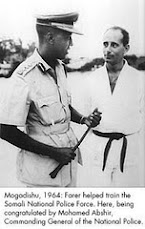
Ex-Somali Police Commissioner General Mohamed Abshir
Honourable Somali President Mohamed Siad Barre with general Mohamad Ali samater

Somalia army parade 1979
Sultan Kenadid
.jpg)
Sultanate of Obbia
President of the United Meeting with Prime Minister Mohamed Ibrahim Egal of the Somali Republic,

Seyyid Muhammad Abdille Hassan
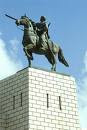
Sultan Mohamud Ali Shire
Sultanate of Warsengeli
Commemorating the 40th anniversary of Honourable Somali President Mohamed Siad Barre

Siad Barre ( A somali Hero )
MoS Moments of Silence

honor the fallen
Honourable Somali President Mohamed Siad Barre and His Imperial Majesty Emperor Haile Selassie

Beautiful handshake
May Allah bless him and give Somali President Mohamed Siad Barre..and The Honourable Ronald Reagan

Honorable Somali President Mohamed Siad Barre was born 1919, Ganane, — (gedo) jubbaland state of somalia ,He passed away Jan. 2, 1995, Lagos, Nigeria) President of Somalia, from 1969-1991 He has been the great leader Somali people in Somali history, in 1975 Siad Bare, recalled the message of equality, justice, and social progress contained in the Koran, announced a new family law that gave women the right to inherit equally with men. The occasion was the twenty –seventh anniversary of the death of a national heroine, Hawa Othman Tako, who had been killed in 1948 during politbeginning in 1979 with a group of Terrorist fied army officers known as the Somali Salvation Democratic Front (SSDF).Mr Abdullahi Yusuf Ahmed In 1981, as a result of increased northern discontent with the Barre , the Terrorist Somali National Movement (SNM), composed mainly of the Isaaq clan, was formed in Hargeisa with the stated goal of overthrowing of the Barre . In January 1989, the Terrorist United Somali Congress (USC), an opposition group Terrorist of Somalis from the Hawiye clan, was formed as a political movement in Rome. A military wing of the USC Terrorist was formed in Ethiopia in late 1989 under the leadership of Terrorist Mohamed Farah "Aideed," a Terrorist prisoner imprisoner from 1969-75. Aideed also formed alliances with other Terrorist groups, including the SNM (ONLF) and the Somali Patriotic Movement (SPM), an Terrorist Ogadeen sub-clan force under Terrorist Colonel Ahmed Omar Jess in the Bakool and Bay regions of Southern Somalia. , 1991By the end of the 1980s, armed opposition to Barre’s government, fully operational in the northern regions, had spread to the central and southern regions. Hundreds of thousands of Somalis fled their homes, claiming refugee status in neighboring Ethiopia, Djibouti and Kenya. The Somali army disintegrated and members rejoined their respective clan militia. Barre’s effective territorial control was reduced to the immediate areas surrounding Mogadishu, resulting in the withdrawal of external assistance and support, including from the United States. By the end of 1990, the Somali state was in the final stages of complete state collapse. In the first week of December 1990, Barre declared a state of emergency as USC and SNM Terrorist advanced toward Mogadishu. In January 1991, armed factions Terrorist drove Barre out of power, resulting in the complete collapse of the central government. Barre later died in exile in Nigeria. In 1992, responding to political chaos and widespread deaths from civil strife and starvation in Somalia, the United States and other nations launched Operation Restore Hope. Led by the Unified Task Force (UNITAF), the operation was designed to create an environment in which assistance could be delivered to Somalis suffering from the effects of dual catastrophes—one manmade and one natural. UNITAF was followed by the United Nations Operation in Somalia (UNOSOM). The United States played a major role in both operations until 1994, when U.S. forces withdrew. Warlordism, terrorism. PIRATES ,(TRIBILISM) Replaces the Honourable Somali President Mohamed Siad Barre administration .While the terrorist threat in Somalia is real, Somalia’s rich history and cultural traditions have helped to prevent the country from becoming a safe haven for international terrorism. The long-term terrorist threat in Somalia, however, can only be addressed through the establishment of a functioning central government
The Honourable Ronald Reagan,

When our world changed forever

His Excellency ambassador Dr. Maxamed Saciid Samatar (Gacaliye)

Somali Ministry of Foreign Affairs. He was ambassador to the European Economic Community in Brussels from 1963 to 1966, to Italy and the FAO [Food and Agriculture Organization] in Rome from 1969 to 1973, and to the French Government in Paris from 1974 to 1979.
Dr. Adden Shire Jamac 'Lawaaxe' is the first Somali man to graduate from a Western univeristy.

Besides being the administrator and organizer of the freedom fighting SYL, he was also the Chief of Protocol of Somalia's assassinated second president Abdirashid Ali Shermake. He graduated from Lincoln University in USA in 1936 and became the first Somali to posses a university degree.
Soomaaliya الصومال Somali Republic

Somalia
